Demonstrate and teach patient care in classroom and clinical units to nursing students. Includes both teachers primarily engaged in teaching and those who do a combination of teaching and research.
Nursing Instructors and Teachers, Postsecondary
SOC: 25-1072 O*NET: 25-1072.00
Median Salary
$80,250
per year
Job Growth
🚀 17.1%
Much Faster (2024-2034)
Annual Openings
8.5
projected jobs/year
Education Level
Bachelor's degree plus work experience, or graduate degree
Job Zone 5
Demonstrate and teach patient care in classroom and clinical units to nursing students. Includes both teachers primarily engaged in teaching and those who do a combination of teaching and research.
What does a Nursing Instructors and Teachers, Postsecondary do?
How much can you earn?
Entry Level
$48,800
10th percentile
Early Career
$63,510
25th percentile
Median
$80,250
50th percentile
Experienced
$101,090
75th percentile
Top Earners
$129,500
90th percentile
National Salary Distribution
10th
$48,800
25th
$63,510
Middle 50%
MEDIAN
$80,250
Mean: $86,410
75th
$101,090
90th
$129,500
Middle 50% of earners
Median salary
Mean (average)
Key Insights
- •Salary range spans $80,700 from entry level to top earners
- •Middle 50% earn between $63,510 and $101,090
- •Salary spread is 46.8% around the median, showing high variation
- •Total national employment: 77,960 professionals
What's the job outlook?
Job Market Intelligence
Very High Demand
Market demand
Medium Risk
Automation risk
Current Employment
National Employment:96,100
Top Industries
Educational Services44.4%
Colleges, Universities, and Professional Schools38.5%
Technical and Trade Schools3.2%
10-Year Outlook
Growth Rate:+17.1%
Annual Openings:8,500
Employment Projections
2025 (Current)96,100
Current
2035 (Projected)112,600
+17.1%
+16,500
Employment Change
+17.1%
Growth Rate
10
Year Projection
Growth Category: Much faster than average
Geographic Salary & Employment Data
Explore where Nursing Instructors and Teachers, Postsecondary professionals work across the United States
Showing 15 of 50 locations
Texas
6,830 jobs$84,9300.97x
New York
6,340 jobs$82,9501.30x
California
5,610 jobs$81,9600.61x
Illinois
4,940 jobs$79,1501.62x
Florida
4,320 jobs$82,4100.87x
Pennsylvania
4,290 jobs$78,4601.41x
Ohio
4,290 jobs$76,7001.54x
North Carolina
2,560 jobs$80,4001.03x
Massachusetts
2,280 jobs$85,1301.25x
New Jersey
2,000 jobs$76,9800.93x
Arizona
1,930 jobs$78,9801.19x
Hawaii
1,890 jobs$129,5306.02x
Wisconsin
1,760 jobs$84,7001.19x
Michigan
1,740 jobs$78,8700.79x
Virginia
1,670 jobs$82,5500.81x
Understanding the Data
Location Quotient (LQ):
- • LQ > 1.0: More jobs than national average
- • LQ = 1.0: Same as national average
- • LQ < 1.0: Fewer jobs than national average
Data Source:
Bureau of Labor Statistics Occupational Employment and Wage Statistics (OEWS), May 2025
Key Growth Factors
- •Much faster than average growth expected
- •High current market demand
What skills do you need?
Top 10 Most Important Skills
#1
Instructing
100%
#2
Medicine and Dentistry
100%
#3
Oral Expression
100%
#4
Learning Strategies
94%
#5
Education and Training
94%
#6
Written Comprehension
92%
#7
Speaking
86%
#8
Psychology
86%
#9
Oral Comprehension
82%
#10
English Language
80%
Skills Overview
Instructing
advanced5.0
100%
Medicine and Dentistry
advanced5.0
100%
Oral Expression
advanced5.0
100%
Learning Strategies
advanced4.7
94%
Education and Training
advanced4.7
94%
Written Comprehension
advanced4.6
92%
Speaking
intermediate4.3
86%
Psychology
intermediate4.3
86%
Skills are rated on a scale of 0-5, with 5 being the most important. The complexity level indicates how advanced the skill typically needs to be.
Filter:
Sort by:
Instructing
advancedImportance100%
skills
5.0/5.0
Medicine and Dentistry
advancedImportance100%
knowledge
5.0/5.0
Oral Expression
advancedImportance100%
abilities
5.0/5.0
Learning Strategies
advancedImportance94%
skills
4.7/5.0
Education and Training
advancedImportance94%
knowledge
4.7/5.0
Written Comprehension
advancedImportance92%
abilities
4.6/5.0
Speaking
intermediateImportance86%
skills
4.3/5.0
Psychology
intermediateImportance86%
knowledge
4.3/5.0
Oral Comprehension
intermediateImportance82%
abilities
4.1/5.0
English Language
intermediateImportance80%
knowledge
4.0/5.0
Reading Comprehension
basicImportance80%
abilities
4.0/5.0
Writing
intermediateImportance74%
skills
3.7/5.0
Highly Transferable Skills
These skills are valuable across multiple career paths, making career transitions easier:
Agricultural Sciences Teachers, Postsecondary100%
5 shared skills
Architecture Teachers, Postsecondary100%
5 shared skills
Computer Science Teachers, Postsecondary100%
5 shared skills
Criminal Justice and Law Enforcement Teachers, Postsecondary100%
5 shared skills
English Language and Literature Teachers, Postsecondary100%
5 shared skills
Adult Basic Education, Adult Secondary Education, and English as a Second Language Instructors82%
5 shared skills
Skills by Career Stage
Entry Level
Must Have:
- ✓Instructing
- ✓Learning Strategies
- ✓Speaking
- ✓Medicine and Dentistry
- ✓Education and Training
Learn on the Job:
- →Active Listening
- →Customer and Personal Service
- →Mathematics
Mid Career
Expected:
- ✓Instructing
- ✓Learning Strategies
- ✓Speaking
- ✓Medicine and Dentistry
- ✓Education and Training
Senior Level
Mastery Required:
- ★Learning Strategies
- ★Speaking
- ★Medicine and Dentistry
- ★Education and Training
- ★Psychology
Skill Development Tips
- •Focus on developing the top 5 skills first - they have the highest impact on career success
- •Transferable skills open doors to related careers and provide flexibility
- •Balance technical skills with soft skills for well-rounded professional development
- •Entry-level positions prioritize foundational skills that can be built upon over time
What technology will you use?
Technology & Digital Skills
Essential technology proficiencies for Nursing Instructors and Teachers, Postsecondary
Technology Intensity
High
Digital Literacy Requirements
This career requires advanced digital literacy
1
Basic
2
Intermediate
3
Advanced
4
Expert
Key Digital Competencies:
Proficiency with specialized softwareTechnical documentationData analysis toolsSystem integration
🔥
Hot Technologies in Demand
These technologies are currently trending and highly sought after in this field
Microsoft Outlook
🔥 Hot TechMEDITECH software
🔥 Hot TechMicrosoft Office software
🔥 Hot TechMicrosoft PowerPoint
🔥 Hot TechMicrosoft Excel
🔥 Hot TechGoogle Docs
🔥 Hot TechMicrosoft Word
🔥 Hot TechTechnology Stack
Technology Stack Overview
Key technologies used in this career
Microsoft Outlook
MEDITECH software
Microsoft Office software
Microsoft PowerPoint
Microsoft Excel
Google Docs
Microsoft Word
📚 Technology Learning Resources
Recommended Certifications
- •Vendor-specific software certifications
- •Industry-recognized technology credentials
- •Professional development courses
Online Learning Platforms
- •LinkedIn Learning - Comprehensive technology courses
- •Coursera - University-level programs
- •Udemy - Practical skills training
💡 Technology Skill Development Tips
- •Focus on mastering hot technologies first - they're currently most in-demand
- •Build a portfolio demonstrating your proficiency with key tools and software
- •Stay current through continuous learning - technology evolves rapidly
- •Consider vendor certifications to validate your skills to employers
What's the work environment like?
🏢
Location
MOSTLY INDOOR
💪
Physical Demand
MODERATE
👥
Team Orientation
CONSTANT TEAM
🤝
Customer Interaction
FREQUENT
💡Is This Work Environment Right for You?
Consider these factors when evaluating if you'll thrive in this work environment:
- •Are you comfortable working in mostly indoor environments?
- •Can you meet moderate physical demands?
- •Do you enjoy constant team team environments?
- •Are you comfortable working with safety protocols and protective equipment?
What are the key tasks?
Tasks & Responsibilities
21
Core Tasks
8
Daily Tasks
20
Work Activities
0
Emerging Tasks
Filter:
Sort by:
General Responsibilities (9)Documentation & Record-Keeping (4)Planning & Development (2)Management & Supervision (2)Analysis & Evaluation (2)Communication & Coordination (2)
1
Initiate, facilitate, and moderate classroom discussions.
🔴Daily
Importance:
General Responsibilities100% perform100%
2
Prepare and deliver lectures to undergraduate or graduate students on topics such as pharmacology, mental health nursing, and community health care practices.
🔴Daily
Importance:
Documentation & Record-Keeping97% perform98%
3
Keep abreast of developments in the field by reading current literature, talking with colleagues, and participating in professional conferences.
🔴Daily
Importance:
Planning & Development94% perform96%
4
Prepare course materials, such as syllabi, homework assignments, and handouts.
🔴Daily
Importance:
Documentation & Record-Keeping91% perform94%
5
Supervise students' laboratory and clinical work.
🔴Daily
Importance:
Management & Supervision88% perform92%
6
Evaluate and grade students' class work, laboratory and clinic work, assignments, and papers.
🔴Daily
Importance:
Analysis & Evaluation85% perform90%
7
Collaborate with colleagues to address teaching and research issues.
🔴Daily
Importance:
Communication & Coordination82% perform88%
8
Plan, evaluate, and revise curricula, course content, course materials, and methods of instruction.
🔴Daily
Importance:
Planning & Development79% perform86%
9
Assess clinical education needs and patient and client teaching needs using a variety of methods.
🟡Weekly
Importance:
Analysis & Evaluation76% perform84%
10
Compile, administer, and grade examinations, or assign this work to others.
🟡Weekly
Importance:
General Responsibilities73% perform82%
💡 Key Takeaways
- •Daily tasks focus primarily on general responsibilities activities
- •33% of tasks are performed by most workers in this occupation
- •Career advancement brings increased leadership and strategic responsibilities
What career paths are available?
Career Pathways
0
Advancement Opportunities
0
Lateral Move Options
0%
Avg. Salary Increase
Advancement Opportunities
Typical career progression paths from Nursing Instructors and Teachers, Postsecondary
💡 Career Planning Tips
- •Most successful advancement happens after 3-5 years of experience
- •Lateral moves can provide valuable cross-functional experience for future leadership roles
- •Focus on developing skills that are transferable across multiple career paths
- •Consider industry trends when planning long-term career moves
Is this career right for you?
Personality & Values Fit
Is This Career Right for You?
Nursing Instructors and Teachers, Postsecondary professionals typically have a SIC Holland code and highly value relationships
SSocial
IInvestigative
CConventional
Important Personality Traits
Work styles that contribute to success as a Nursing Instructors and Teachers, Postsecondary
Dependability
CriticalDependability
Importance Level4.86
Integrity
CriticalIntegrity
Importance Level4.85
Attention to Detail
CriticalAttention to Detail
Importance Level4.66
Initiative
CriticalInitiative
Importance Level4.63
Adaptability/Flexibility
CriticalAdaptability/Flexibility
Importance Level4.57
Cooperation
CriticalCooperation
Importance Level4.50
Complete Work Styles Profile
Dependability
4.9
Integrity
4.8
Attention to Detail
4.7
Initiative
4.6
Adaptability/Flexibility
4.6
Cooperation
4.5
Self-Control
4.5
Independence
4.4
Persistence
4.4
Stress Tolerance
4.4
💡 Tips for Career Fit Success
- •While personality fit is important, skills can be developed with practice and training
- •Consider informational interviews to better understand the day-to-day personality requirements
- •Work environments vary by employer - research specific companies for cultural fit
- •Your interests and values may evolve - reassess periodically throughout your career
What education is required?
Education Level
Bachelor's degree plus work experience, or graduate degree
Typical duration: 4 years
Preparation Level
Job Zone 5
Extensive Preparation Needed
Experience Needed
Extensive skill, knowledge, and experience needed
📚 Education Requirement
Required Level:Bachelor's degree plus work experience, or graduate degree
Most of these occupations require graduate school. These may include master's, doctoral, or professional degrees.
Training:
Extensive training and work experience required
💼 Experience Requirement
Extensive skill, knowledge, and experience needed
Common pathways to gain experience:
- • Master's or doctoral degree
- • Extensive work experience in the field
- • State licensure or professional certification
5
Job Zone Five: Extensive Preparation Needed
Most of these occupations require graduate school. These may include master's, doctoral, or professional degrees.
Master's or doctoral degreeExtensive work experience in the fieldState licensure or professional certification
Ready to Start Your Journey?
Explore educational programs that can help you become a Nursing Instructors and Teachers, Postsecondary.
Browse Training Programs →Trade Colleges That Train for Nursing Instructors and Teachers, Postsecondary
Top trade colleges by completions in fields that prepare students for this career.
Ivy Tech Community College
Indianapolis, IN
1.3k program completions/year
Eastern Gateway Community College
Steubenville, OH
735 program completions/year
Central Piedmont Community College
Charlotte, NC
336 program completions/year
Central New Mexico Community College
Albuquerque, NM
263 program completions/year
Connecticut State Community College
New Britain, CT
256 program completions/year
Wake Technical Community College
Raleigh, NC
233 program completions/year
Alamance Community College
Graham, NC
228 program completions/year
Gateway Technical College
Kenosha, WI
227 program completions/year
Fox Valley Technical College
Appleton, WI
218 program completions/year
Fresno City College
Fresno, CA
211 program completions/year
Northeast Wisconsin Technical College
Green Bay, WI
211 program completions/year
Forsyth Technical Community College
Winston-Salem, NC
200 program completions/year
From the Blog
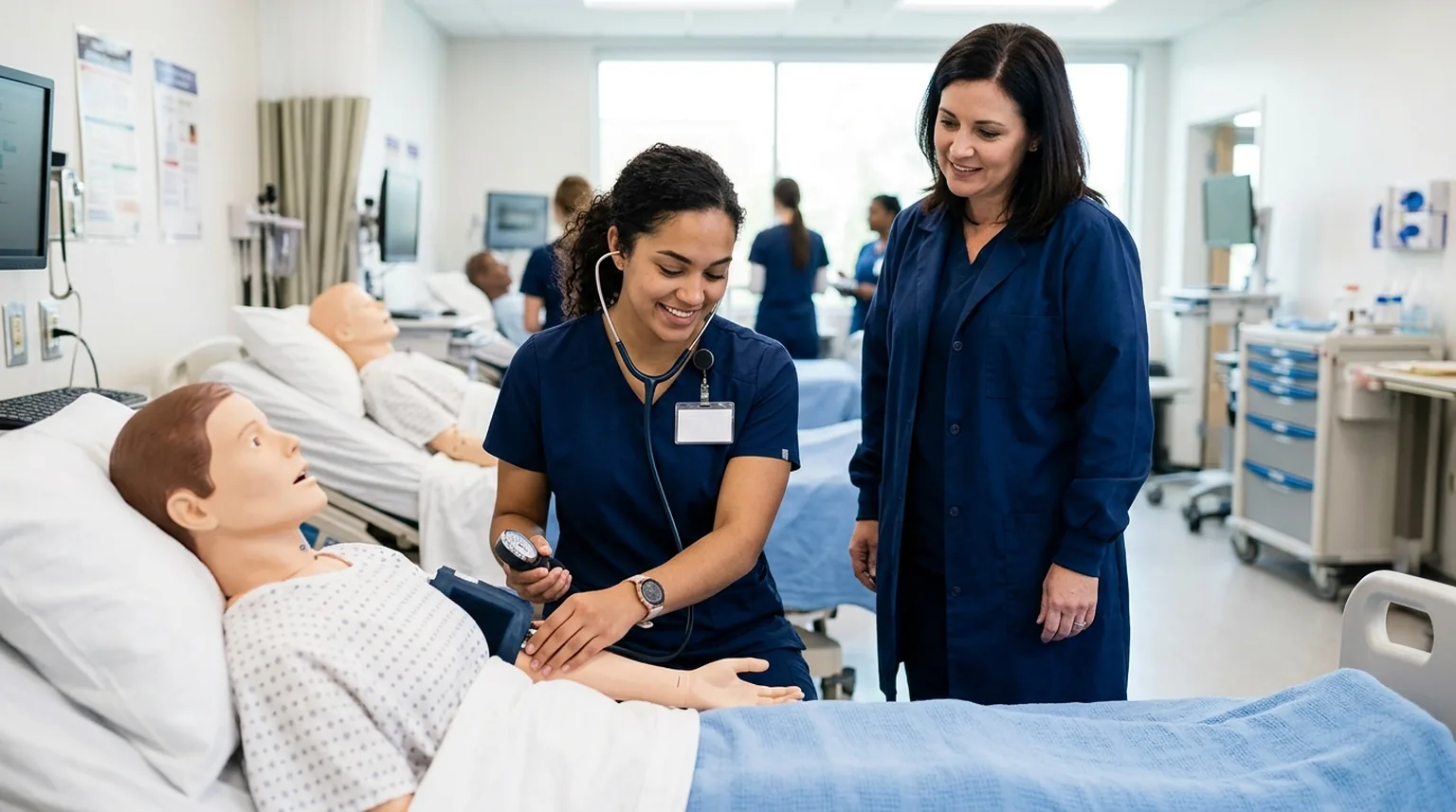
Trade Programs
Best LPN Programs: How to Choose a Practical Nursing School in 2026
How to choose an LPN program in 2026: why state-board approval and NCLEX-PN eligibility come first, what to evaluate (pass rates, clinicals, LPN-to-RN bridges), program length and cost, and a $62,340 median salary.
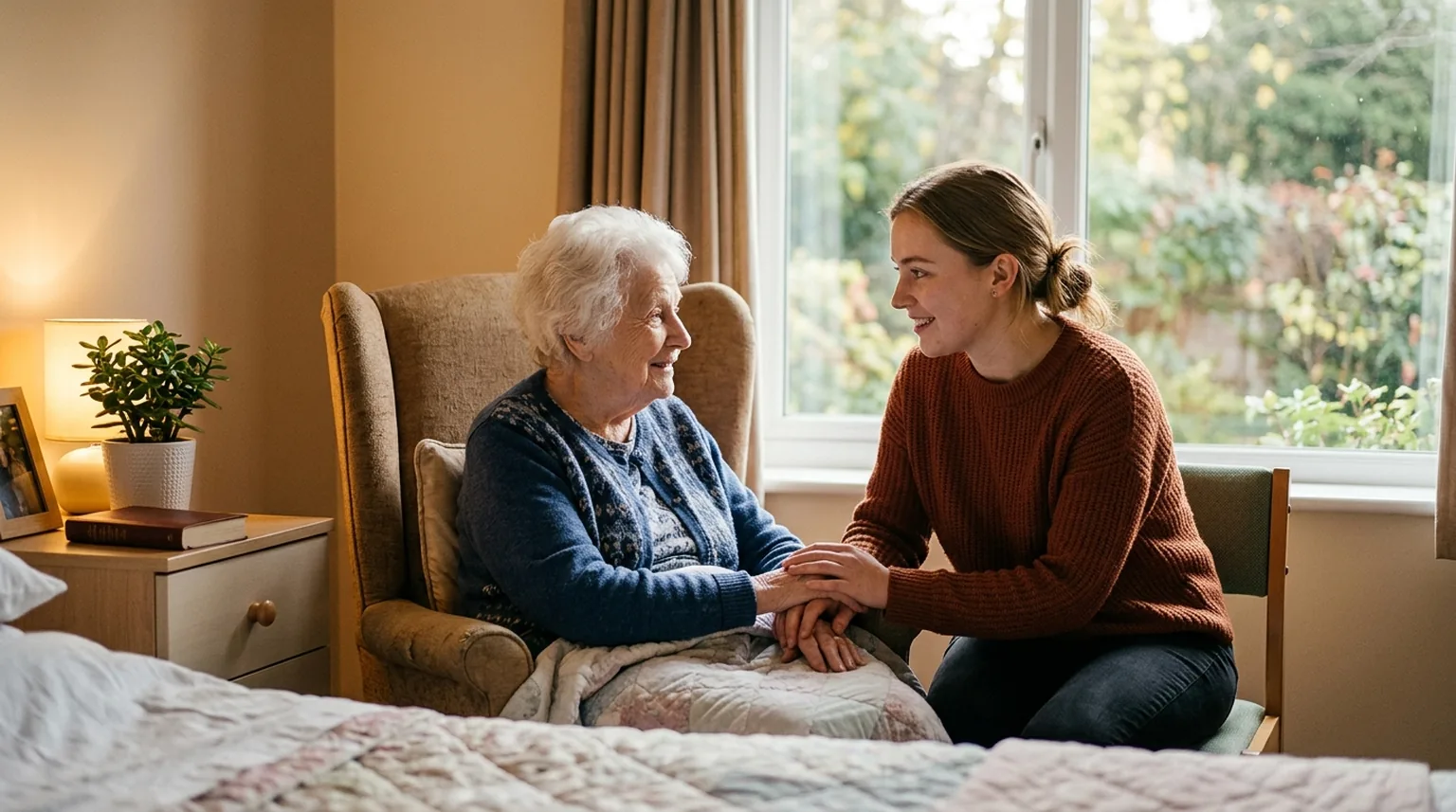
Career Guidance
Getting Patient-Care Experience Before You Apply: A Volunteering Guide for Healthcare-Bound Students
A practical guide for students headed into nursing, medical assisting, phlebotomy, and other caregiving careers: how to get real, hands-on patient experience before you enroll or apply — including hospice volunteering, where federal law actually requires hospices to recruit and train volunteers.