Conduct screening of passengers, baggage, or cargo to ensure compliance with Transportation Security Administration (TSA) regulations. May operate basic security equipment such as x-ray machines and hand wands at screening checkpoints.
Transportation Security Screeners
SOC: 33-9093 O*NET: 33-9093.00
Median Salary
$66,770
per year
Job Growth
📉 -4.2%
Slower (2024-2034)
Annual Openings
4.5
projected jobs/year
Education Level
High school diploma or equivalent
Job Zone 2
Conduct screening of passengers, baggage, or cargo to ensure compliance with Transportation Security Administration (TSA) regulations. May operate basic security equipment such as x-ray machines and hand wands at screening checkpoints.
What does a Transportation Security Screeners do?
How much can you earn?
Entry Level
$44,700
10th percentile
Early Career
$57,050
25th percentile
Median
$66,770
50th percentile
Experienced
$72,820
75th percentile
Top Earners
$78,350
90th percentile
National Salary Distribution
10th
$44,700
25th
$57,050
Middle 50%
MEDIAN
$66,770
Mean: $64,310
75th
$72,820
90th
$78,350
Middle 50% of earners
Median salary
Mean (average)
Key Insights
- •Salary range spans $33,650 from entry level to top earners
- •Middle 50% earn between $57,050 and $72,820
- •Salary spread is 23.6% around the median, showing low variation
- •Total national employment: 50,290 professionals
What's the job outlook?
Job Market Intelligence
Low Demand
Market demand
Medium Risk
Automation risk
Current Employment
National Employment:53,500
Top Industries
Support Activities for Transportation6.1%
Support Activities for Air Transportation6.1%
10-Year Outlook
Growth Rate:-4.2%
Annual Openings:4,500
Employment Projections
2025 (Current)53,500
Current
2035 (Projected)51,200
-4.2%
-2,200
Employment Change
-4.2%
Growth Rate
10
Year Projection
Growth Category: Decline
Geographic Salary & Employment Data
Explore where Transportation Security Screeners professionals work across the United States
Showing 15 of 45 locations
Florida
6,920 jobs$63,1302.16x
California
5,410 jobs$73,6100.92x
Texas
4,300 jobs$68,6400.95x
New York
4,240 jobs$72,0101.35x
Illinois
1,970 jobs$70,5701.00x
Virginia
1,870 jobs$69,9101.40x
Georgia
1,850 jobs$66,7701.17x
Pennsylvania
1,460 jobs$67,3300.74x
Massachusetts
1,380 jobs$73,5101.18x
Arizona
1,380 jobs$64,3301.32x
Nevada
1,350 jobs$64,5002.69x
North Carolina
1,300 jobs$64,5400.81x
Colorado
1,250 jobs$71,5301.35x
New Jersey
1,200 jobs$74,4000.87x
Michigan
1,070 jobs$67,3900.75x
Understanding the Data
Location Quotient (LQ):
- • LQ > 1.0: More jobs than national average
- • LQ = 1.0: Same as national average
- • LQ < 1.0: Fewer jobs than national average
Data Source:
Bureau of Labor Statistics Occupational Employment and Wage Statistics (OEWS), May 2025
Key Growth Factors
- •Employment decline projected
What skills do you need?
Top 10 Most Important Skills
#1
Monitoring
100%
#2
Public Safety and Security
100%
#3
Problem Sensitivity
100%
#4
Speaking
94%
#5
Selective Attention
92%
#6
Coordination
86%
#7
Flexibility of Closure
82%
#8
Social Perceptiveness
80%
#9
Critical Thinking
74%
#10
Inductive Reasoning
74%
Skills Overview
Monitoring
advanced5.0
100%
Public Safety and Security
advanced5.0
100%
Problem Sensitivity
advanced5.0
100%
Speaking
advanced4.7
94%
Selective Attention
advanced4.6
92%
Coordination
intermediate4.3
86%
Flexibility of Closure
intermediate4.1
82%
Social Perceptiveness
intermediate4.0
80%
Skills are rated on a scale of 0-5, with 5 being the most important. The complexity level indicates how advanced the skill typically needs to be.
Filter:
Sort by:
Monitoring
advancedImportance100%
skills
5.0/5.0
Public Safety and Security
advancedImportance100%
knowledge
5.0/5.0
Problem Sensitivity
advancedImportance100%
abilities
5.0/5.0
Speaking
advancedImportance94%
skills
4.7/5.0
Selective Attention
advancedImportance92%
abilities
4.6/5.0
Coordination
intermediateImportance86%
skills
4.3/5.0
Flexibility of Closure
intermediateImportance82%
abilities
4.1/5.0
Social Perceptiveness
intermediateImportance80%
skills
4.0/5.0
Critical Thinking
intermediateImportance74%
abilities
3.7/5.0
Inductive Reasoning
intermediateImportance74%
abilities
3.7/5.0
Customer and Personal Service
intermediateImportance70%
knowledge
3.5/5.0
Active Listening
intermediateImportance66%
skills
3.3/5.0
Highly Transferable Skills
These skills are valuable across multiple career paths, making career transitions easier:
Registered Nurses82%
5 shared skills
Athletes and Sports Competitors82%
5 shared skills
Nannies82%
5 shared skills
Concierges82%
5 shared skills
Police and Sheriff's Patrol Officers82%
5 shared skills
First-Line Supervisors of Firefighting and Prevention Workers82%
5 shared skills
Skills by Career Stage
Entry Level
Must Have:
- ✓Monitoring
- ✓Speaking
- ✓Coordination
- ✓Social Perceptiveness
- ✓Public Safety and Security
Learn on the Job:
- →Active Listening
- →Judgment and Decision Making
- →Reading Comprehension
Mid Career
Expected:
- ✓Monitoring
- ✓Speaking
- ✓Coordination
- ✓Social Perceptiveness
- ✓Public Safety and Security
Senior Level
Mastery Required:
- ★Speaking
- ★Social Perceptiveness
- ★Public Safety and Security
- ★Problem Sensitivity
- ★Selective Attention
Skill Development Tips
- •Focus on developing the top 5 skills first - they have the highest impact on career success
- •Transferable skills open doors to related careers and provide flexibility
- •Balance technical skills with soft skills for well-rounded professional development
- •Entry-level positions prioritize foundational skills that can be built upon over time
What technology will you use?
Technology & Digital Skills
Essential technology proficiencies for Transportation Security Screeners
Technology Intensity
High
Digital Literacy Requirements
This career requires advanced digital literacy
1
Basic
2
Intermediate
3
Advanced
4
Expert
Key Digital Competencies:
Proficiency with specialized softwareTechnical documentationData analysis toolsSystem integration
🔥
Hot Technologies in Demand
These technologies are currently trending and highly sought after in this field
Slack
🔥 Hot TechMicrosoft Outlook
🔥 Hot TechOracle Java
🔥 Hot TechMicrosoft Office software
🔥 Hot TechLinux
🔥 Hot TechMicrosoft Excel
🔥 Hot TechMicrosoft Word
🔥 Hot TechTechnology Stack
Technology Stack Overview
Key technologies used in this career
Slack
Microsoft Outlook
Oracle Java
Microsoft Office software
Linux
Microsoft Excel
Microsoft Word
📚 Technology Learning Resources
Recommended Certifications
- •Vendor-specific software certifications
- •Industry-recognized technology credentials
- •Professional development courses
Online Learning Platforms
- •LinkedIn Learning - Comprehensive technology courses
- •Coursera - University-level programs
- •Udemy - Practical skills training
💡 Technology Skill Development Tips
- •Focus on mastering hot technologies first - they're currently most in-demand
- •Build a portfolio demonstrating your proficiency with key tools and software
- •Stay current through continuous learning - technology evolves rapidly
- •Consider vendor certifications to validate your skills to employers
What's the work environment like?
🏢
Location
MOSTLY INDOOR
💪
Physical Demand
MODERATE
👥
Team Orientation
MOSTLY TEAM
🤝
Customer Interaction
CONSTANT
💡Is This Work Environment Right for You?
Consider these factors when evaluating if you'll thrive in this work environment:
- •Are you comfortable working in mostly indoor environments?
- •Can you meet moderate physical demands?
- •Do you enjoy mostly team team environments?
- •Are you comfortable working with safety protocols and protective equipment?
What are the key tasks?
Tasks & Responsibilities
21
Core Tasks
8
Daily Tasks
20
Work Activities
0
Emerging Tasks
Filter:
Sort by:
General Responsibilities (16)Planning & Development (1)Management & Supervision (2)Operations & Execution (1)Documentation & Record-Keeping (1)
1
Ask passengers to remove shoes and divest themselves of metal objects prior to walking through metal detectors.
🔴Daily
Importance:
General Responsibilities100% perform100%
2
Check passengers' tickets to ensure that they are valid, and to determine whether passengers have designations that require special handling, such as providing photo identification.
🔴Daily
Importance:
Planning & Development97% perform98%
3
Close entry areas following security breaches or reopen areas after receiving notification that the airport is secure.
🔴Daily
Importance:
General Responsibilities94% perform96%
4
Confiscate dangerous items and hazardous materials found in opened bags and turn them over to airlines for disposal.
🔴Daily
Importance:
General Responsibilities91% perform94%
5
Contact leads or supervisors to discuss objects of concern that are not on prohibited object lists.
🔴Daily
Importance:
General Responsibilities88% perform92%
6
Contact police directly in cases of urgent security issues, using phones or two-way radios.
🔴Daily
Importance:
Management & Supervision85% perform90%
7
Decide whether baggage that triggers alarms should be searched or should be allowed to pass through.
🔴Daily
Importance:
General Responsibilities82% perform88%
8
Direct passengers to areas where they can pick up their baggage after screening is complete.
🔴Daily
Importance:
Management & Supervision79% perform86%
9
Inform other screeners when baggage should not be opened because it might contain explosives.
🟡Weekly
Importance:
General Responsibilities76% perform84%
10
Inform passengers of how to mail prohibited items to themselves, or confiscate these items.
🟡Weekly
Importance:
General Responsibilities73% perform82%
💡 Key Takeaways
- •Daily tasks focus primarily on general responsibilities activities
- •33% of tasks are performed by most workers in this occupation
- •Career advancement brings increased leadership and strategic responsibilities
What career paths are available?
Career Pathways
0
Advancement Opportunities
0
Lateral Move Options
0%
Avg. Salary Increase
Advancement Opportunities
Typical career progression paths from Transportation Security Screeners
💡 Career Planning Tips
- •Most successful advancement happens after 3-5 years of experience
- •Lateral moves can provide valuable cross-functional experience for future leadership roles
- •Focus on developing skills that are transferable across multiple career paths
- •Consider industry trends when planning long-term career moves
Is this career right for you?
Personality & Values Fit
Is This Career Right for You?
Transportation Security Screeners professionals typically have a CRE Holland code and highly value support
CConventional
RRealistic
EEnterprising
Important Personality Traits
Work styles that contribute to success as a Transportation Security Screeners
Integrity
CriticalIntegrity
Importance Level4.63
Dependability
Very ImportantDependability
Importance Level4.48
Self-Control
Very ImportantSelf-Control
Importance Level4.44
Attention to Detail
Very ImportantAttention to Detail
Importance Level4.44
Stress Tolerance
Very ImportantStress Tolerance
Importance Level4.41
Adaptability/Flexibility
Very ImportantAdaptability/Flexibility
Importance Level4.30
Complete Work Styles Profile
Integrity
4.6
Dependability
4.5
Self-Control
4.4
Attention to Detail
4.4
Stress Tolerance
4.4
Adaptability/Flexibility
4.3
Cooperation
4.3
Concern for Others
3.9
Social Orientation
3.6
Initiative
3.6
💡 Tips for Career Fit Success
- •While personality fit is important, skills can be developed with practice and training
- •Consider informational interviews to better understand the day-to-day personality requirements
- •Work environments vary by employer - research specific companies for cultural fit
- •Your interests and values may evolve - reassess periodically throughout your career
What education is required?
Education Level
High school diploma or equivalent
Typical duration: High school diploma or GED
Preparation Level
Job Zone 2
Some Preparation Needed
Experience Needed
Some previous work-related skill, knowledge, or experience may be helpful
📚 Education Requirement
Required Level:High school diploma or equivalent
These occupations usually require a high school diploma and may require some vocational training or job-related course work.
Training:
Training of a few months to a year
💼 Experience Requirement
Some previous work-related skill, knowledge, or experience may be helpful
Common pathways to gain experience:
- • Some previous work-related skill, knowledge, or experience
- • Vocational school programs (6 months to 2 years)
- • Industry certifications helpful
2
Job Zone Two: Some Preparation Needed
These occupations usually require a high school diploma and may require some vocational training or job-related course work.
Some previous work-related skill, knowledge, or experienceVocational school programs (6 months to 2 years)Industry certifications helpful
Ready to Start Your Journey?
Explore educational programs that can help you become a Transportation Security Screeners.
Browse Training Programs →Trade Colleges That Train for Transportation Security Screeners
Top trade colleges by completions in fields that prepare students for this career.
East Los Angeles College
Monterey Park, CA
1.6k program completions/year
Ivy Tech Community College
Indianapolis, IN
1.0k program completions/year
Eastern Gateway Community College
Steubenville, OH
791 program completions/year
Moreno Valley College
Moreno Valley, CA
661 program completions/year
Santa Rosa Junior College
Santa Rosa, CA
658 program completions/year
Southwestern Illinois College
Belleville, IL
476 program completions/year
Community College of Baltimore County
Baltimore, MD
434 program completions/year
Fresno City College
Fresno, CA
395 program completions/year
Des Moines Area Community College
Ankeny, IA
380 program completions/year
San Bernardino Valley College
San Bernardino, CA
337 program completions/year
Tarrant County College District
Fort Worth, TX
327 program completions/year
Butte College
Oroville, CA
319 program completions/year
From the Blog

Skilled Trades Outlook
Skilled Trades Shortage 2026: 349K Jobs, BLS Data
The skilled trades shortage hit 349,000 workers in 2026 (BLS). What it means for pay, hiring, and why entering trades now is a once-in-a-generation chance.
Trade Programs
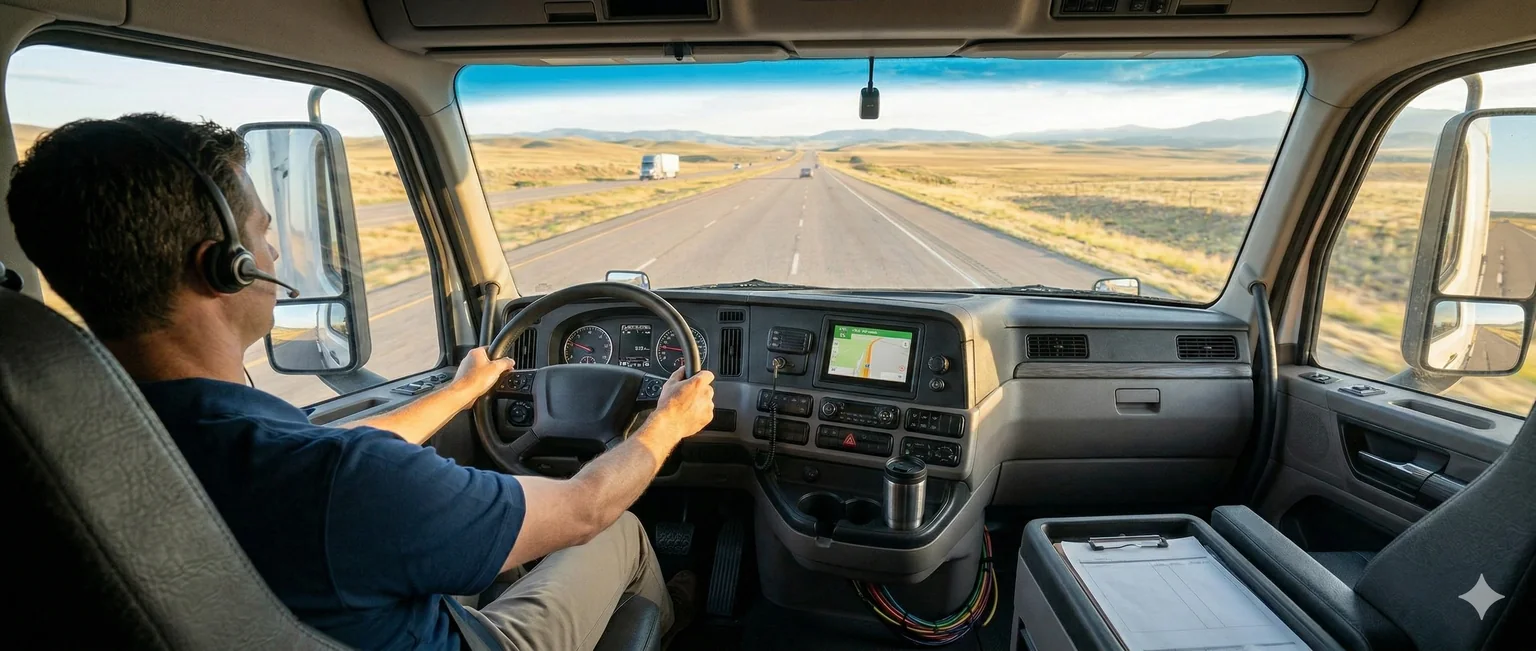
CDL Truck Driver Career Opportunities: Training, Pay, and Job Outlook
A data-driven guide to truck driving careers — CDL training requirements, salary ranges from entry-level to owner-operator, the real driver shortage, and how to specialize for higher pay.