Engineering/Industrial Management
Program Availability
Schools Offering
4
10 total including inactive
States
2
Across 2 states
Graduates (2024)
20
Total completions
Engineering/Industrial Management is offered as a associate and certificate program at schools across 2 states, making it a solid trade program. The most popular states are Wisconsin and Ohio.
Career & Cost Overview
Median Salary
$167,740
Architectural and Engineering Managers
Job Growth
+3.8%
10-year projected growth
Median Tuition
$4,496
In-state annual rate
Graduates typically pursue careers as Architectural and Engineering Managers. In-state tuition ranges from $3,728 to $7,632, and the work is primarily indoor with moderate physical demands — suited for hands-on learners who enjoy practical work.
Graduate Demographics
Gender Distribution
Degree Level Distribution
Is This Career Right for You?
Is This Career Right for You?
Interest Profile (Holland Codes)
leading, influencing, and persuading others; organizing, systematizing, and working with data; hands-on, practical work with tools and equipment
What does this mean? ▼
This career is best suited for people who enjoy:
- Leadership roles
- Sales
- Organization
- Data management
- Building things
- Working with hands
Ideal Candidate Profile
👤 Personality Traits
💡 Interests
⭐ Work Values
❓ Ask Yourself These Questions
Do you enjoy leading, influencing, and persuading others; organizing, systematizing, and working with data; hands-on, practical work with tools and equipment?
Are you comfortable working indoor with moderate physical demands?
Do you enjoy collaborating with team members?
Do you value writing?
Are you willing to develop the technical skills required for this field?
✓ This Career May Be Great For You If:
- • Hands-on learners who enjoy practical work
- • Natural leaders who enjoy persuading and influencing
- • Detail-oriented individuals who value organization
⚠ Consider These Challenges:
- • Those who prefer desk-based, theoretical work
- • Those who avoid public speaking or sales
- • Those who dislike repetitive tasks
Note: This assessment is based on typical requirements and characteristics for careers in this field. Individual experiences may vary. Consider your own interests, values, and goals when making career decisions.
Where Can You Study Engineering/Industrial Management?
Click on any state to view schools offering this program.
Related Programs
Heating, Ventilation, Air Conditioning and Refrigeration Engineering Technology/Technician
Electrical, Electronic, and Communications Engineering Technology/Technician
Manufacturing Engineering Technology/Technician
Drafting and Design Technology/Technician, General
Electromechanical/Electromechanical Engineering Technology/Technician
Instrumentation Technology/Technician
Electromechanical Technologies/Technicians, Other
CAD/CADD Drafting and/or Design Technology/Technician
Industrial Production Technologies/Technicians, Other
Engineering Technologies/Technicians, General
Electrical/Electronic Engineering Technologies/Technicians, Other
Industrial Technology/Technician
Architectural Drafting and Architectural CAD/CADD
Biomedical Technology/Technician
Mechanical/Mechanical Engineering Technology/Technician
Showing 15 of 69 related programs in this field.
From the Blog
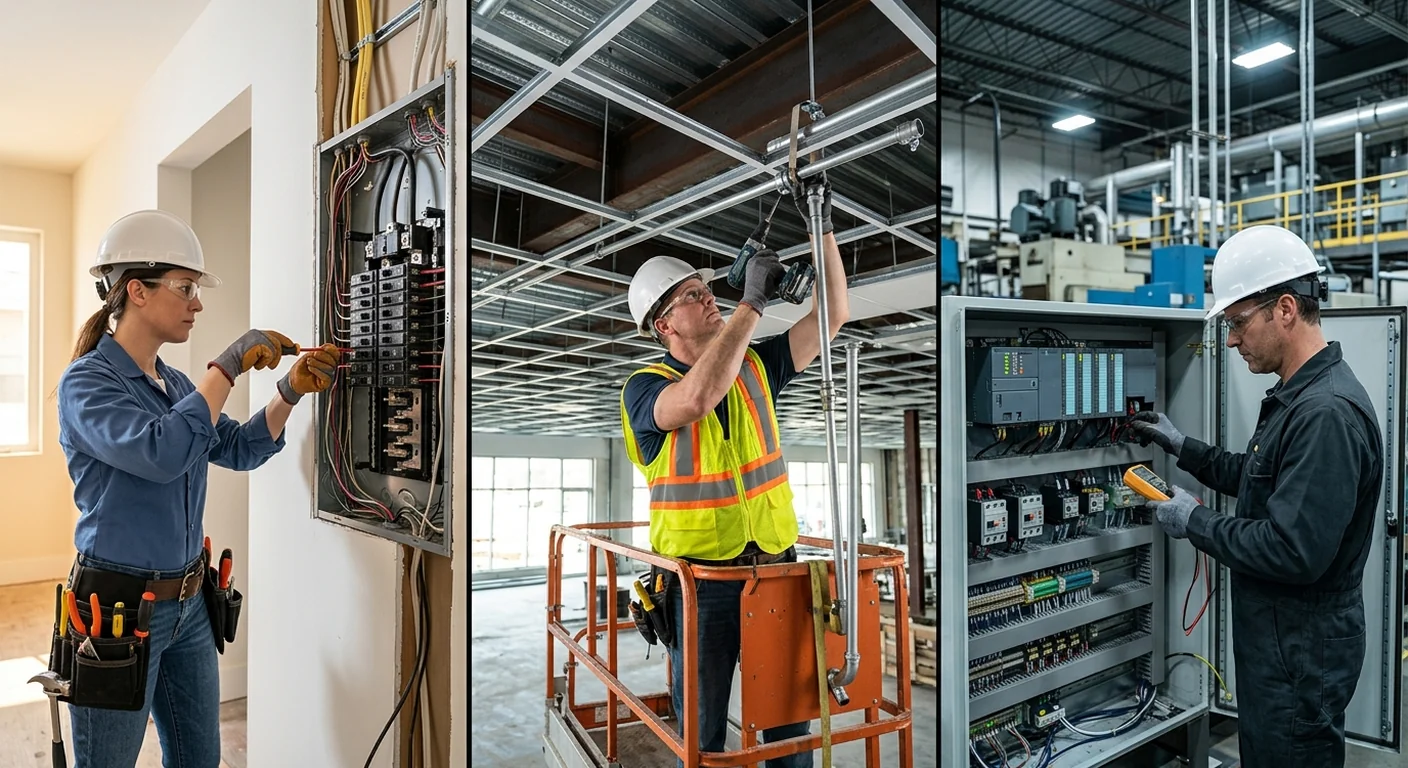
Residential vs Commercial vs Industrial Electrician: Pay, Hours, Career Ceiling
A practical comparison of the three electrician tracks — residential, commercial, and industrial — with BLS pay data, daily-work realities, lifestyle trade-offs, and where each path tops out at the master/foreman/owner level.

Trade Careers That Don't Require Heavy Physical Labor
Not all trade careers involve heavy lifting — discover 7 well-paying trade paths that are primarily desk-based, diagnostic, or computer-driven, with salary data and training requirements for each.
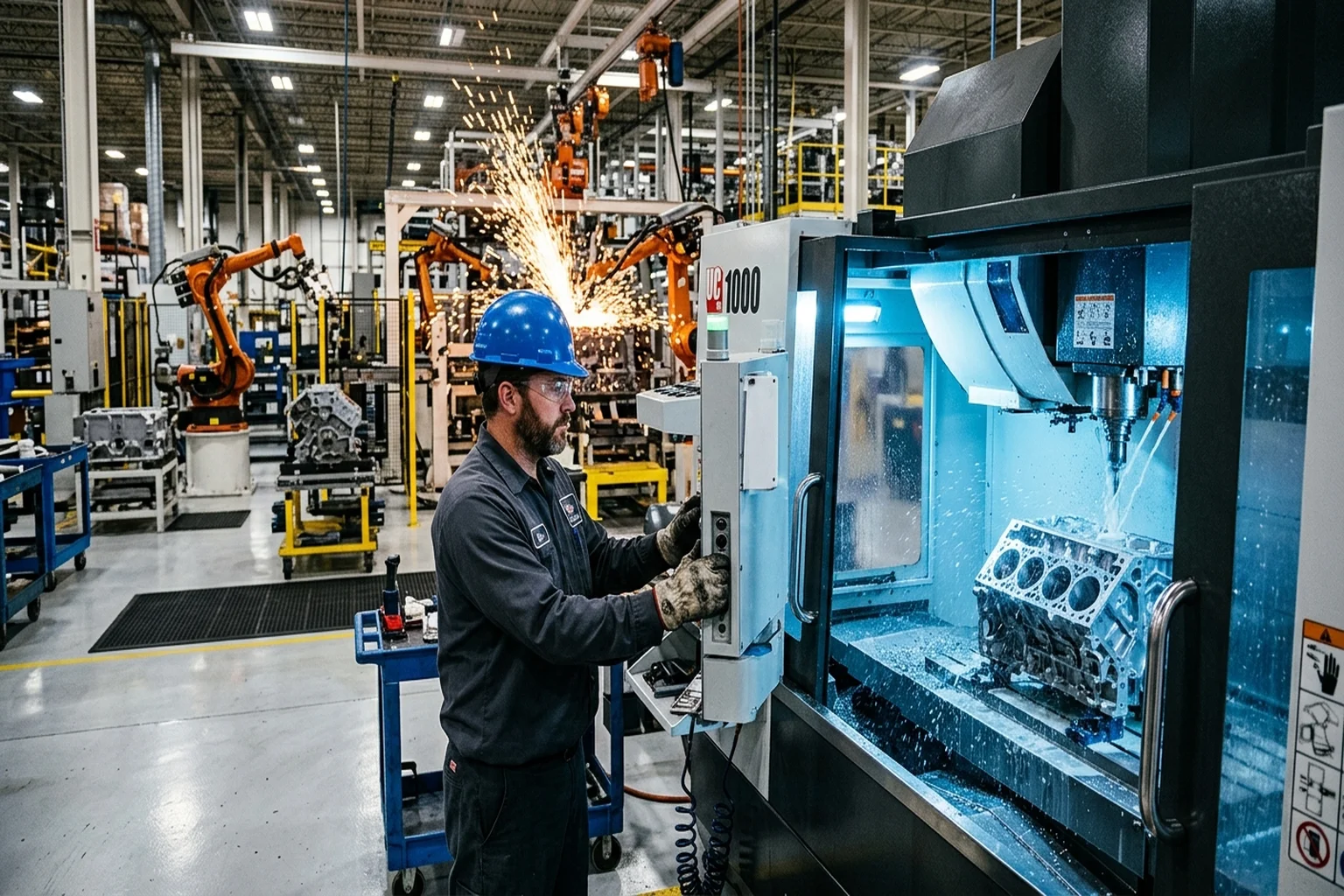
Ohio's Manufacturing Trades Boom: Why Welders, Machinists, and Industrial Electricians Are in High Demand
Ohio's $137.9 billion manufacturing sector — home to Intel's $28B semiconductor campus, Honda's $4.4B EV battery plant, and 687,000 manufacturing jobs — is creating urgent demand for welders, CNC machinists, industrial electricians, and millwrights. Here's what the data says and how to get started.