Building/Home/Construction Inspection/Inspector
Program Availability
Schools Offering
41
61 total including inactive
States
8
Across 8 states
Graduates (2024)
236
Total completions
Building/Home/Construction Inspection/Inspector is offered as a associate and certificate program at schools across 8 states, making it a solid trade program. The most popular states are California, Arizona and Oregon.
Career & Cost Overview
Median Salary
$72,120
Construction and Building Inspectors
Job Growth
-0.8%
10-year projected growth
Median Tuition
$1,288
In-state annual rate
Graduates typically pursue careers as Construction and Building Inspectors. In-state tuition ranges from $1,104 to $10,500, and the work is primarily indoor with heavy physical demands — suited for hands-on learners who enjoy practical work.
Graduate Demographics
Gender Distribution
Degree Level Distribution
Is This Career Right for You?
Is This Career Right for You?
Interest Profile (Holland Codes)
hands-on, practical work with tools and equipment; organizing, systematizing, and working with data; leading, influencing, and persuading others
What does this mean? ▼
This career is best suited for people who enjoy:
- Building things
- Working with hands
- Organization
- Data management
- Leadership roles
- Sales
Ideal Candidate Profile
👤 Personality Traits
💡 Interests
⭐ Work Values
❓ Ask Yourself These Questions
Do you enjoy hands-on, practical work with tools and equipment; organizing, systematizing, and working with data; leading, influencing, and persuading others?
Do you value speaking?
Are you willing to develop the technical skills required for this field?
✓ This Career May Be Great For You If:
- • Hands-on learners who enjoy practical work
- • Natural leaders who enjoy persuading and influencing
- • Detail-oriented individuals who value organization
⚠ Consider These Challenges:
- • Those who prefer desk-based, theoretical work
- • Those who avoid public speaking or sales
- • Those who dislike repetitive tasks
Note: This assessment is based on typical requirements and characteristics for careers in this field. Individual experiences may vary. Consider your own interests, values, and goals when making career decisions.
Where Can You Study Building/Home/Construction Inspection/Inspector?
Click on any state to view schools offering this program.
Related Programs
Electrician
Carpentry/Carpenter
Plumbing Technology/Plumber
Lineworker
Construction Trades, General
Building/Property Maintenance
Building Construction Technology/Technician
Electrical and Power Transmission Installation/Installer, General
Building/Construction Site Management/Manager
Building/Construction Finishing, Management, and Inspection, Other
Pipefitting/Pipefitter and Sprinkler Fitter
Mason/Masonry
Construction Trades, Other
Drywall Installation/Drywaller
Electrical and Power Transmission Installers, Other
Showing 15 of 24 related programs in this field.
From the Blog
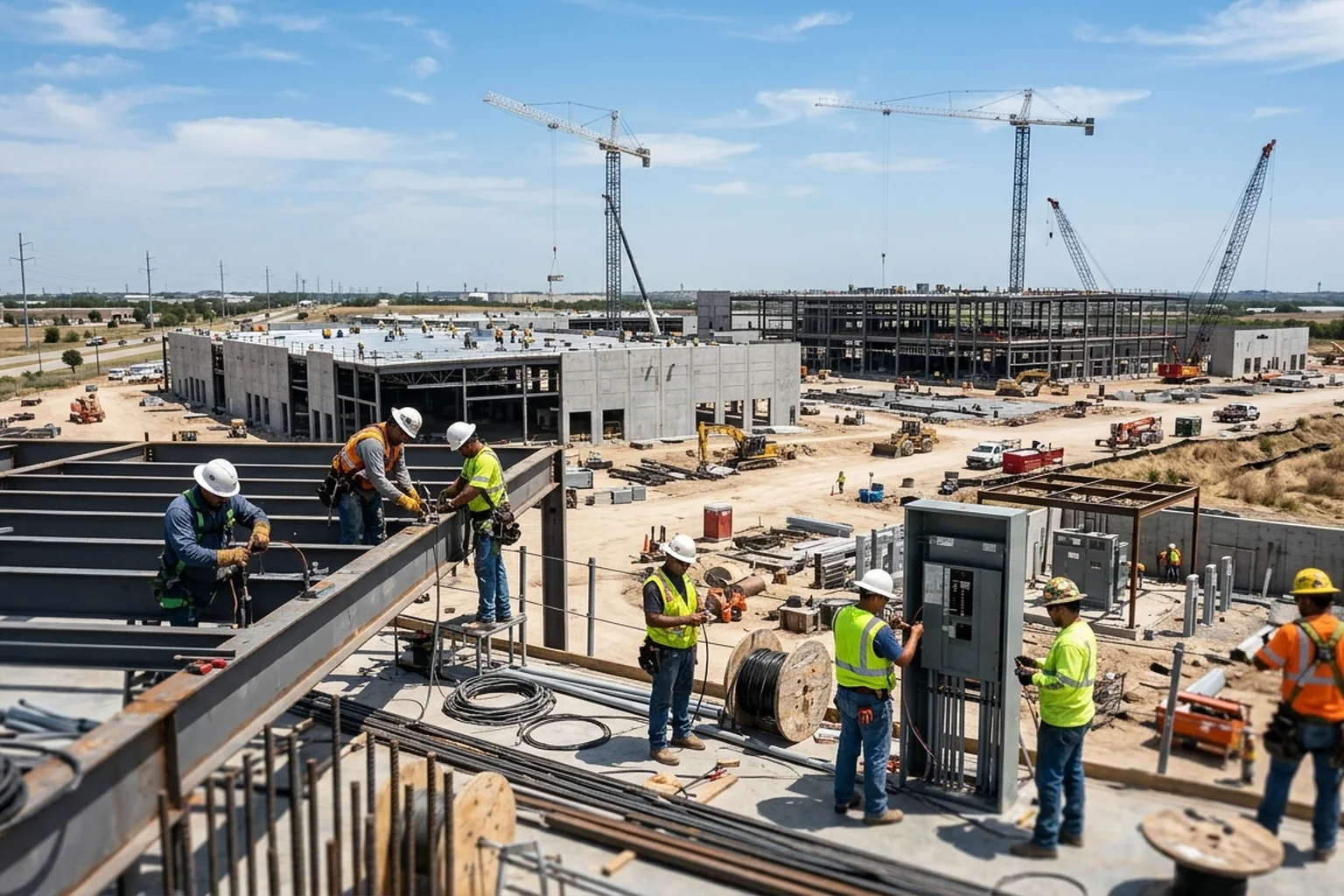
Why DFW Is the Country's Hottest Trade Career Market: Data Centers, Corporate Migration, and the Housing Surge
Dallas-Fort Worth has quietly become the third-largest data center market in North America, the #1 metro for new home construction, and the country's leading destination for corporate headquarter relocations. The result is an acute, sustained shortage of skilled tradespeople — and one of the strongest trade-career markets in the United States.
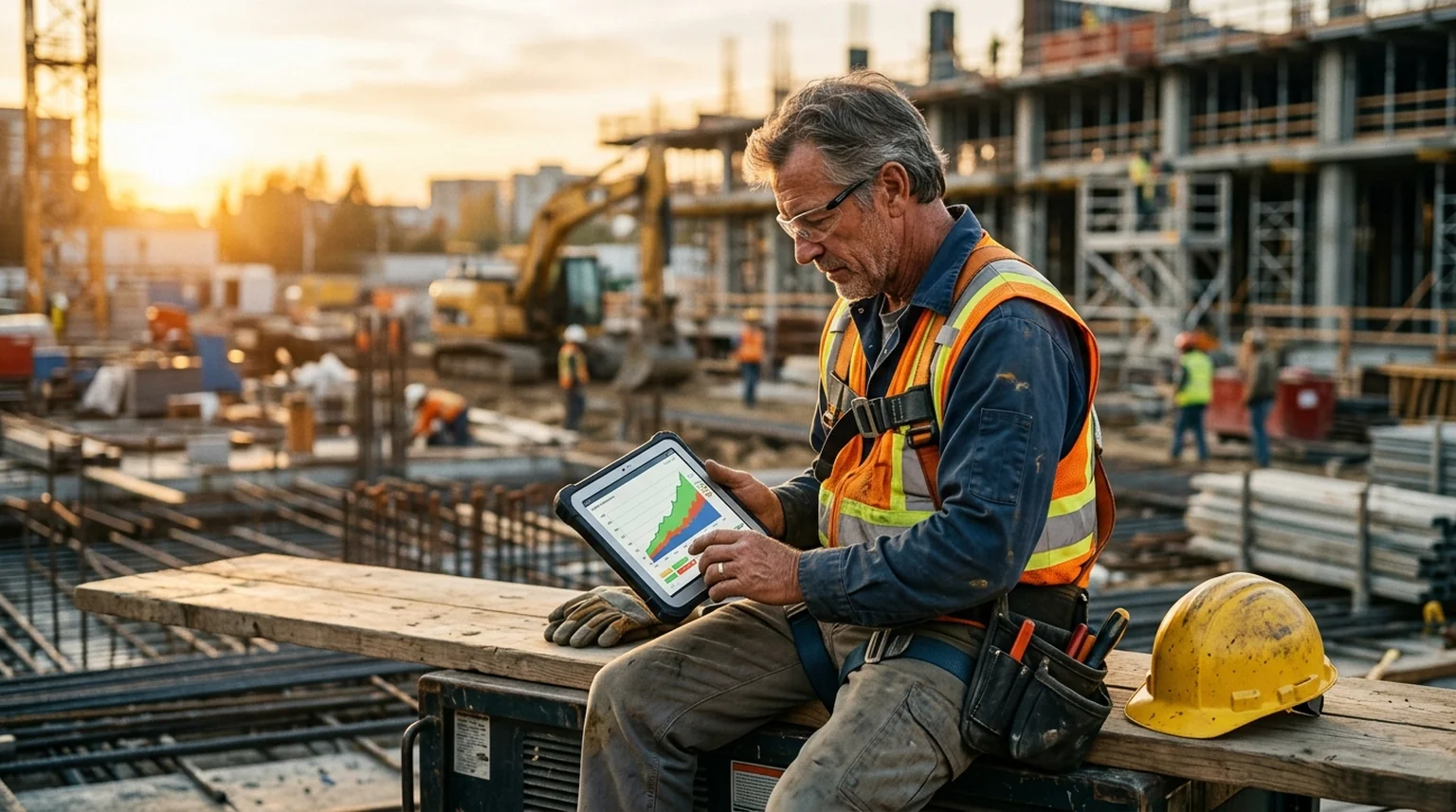
Salary Progression in the Trades: What You'll Earn at 1, 5, and 10 Years
A data-driven look at how trade salaries grow over time — from apprentice wages through journeyman pay to master-level earnings for electricians, plumbers, HVAC techs, and welders.
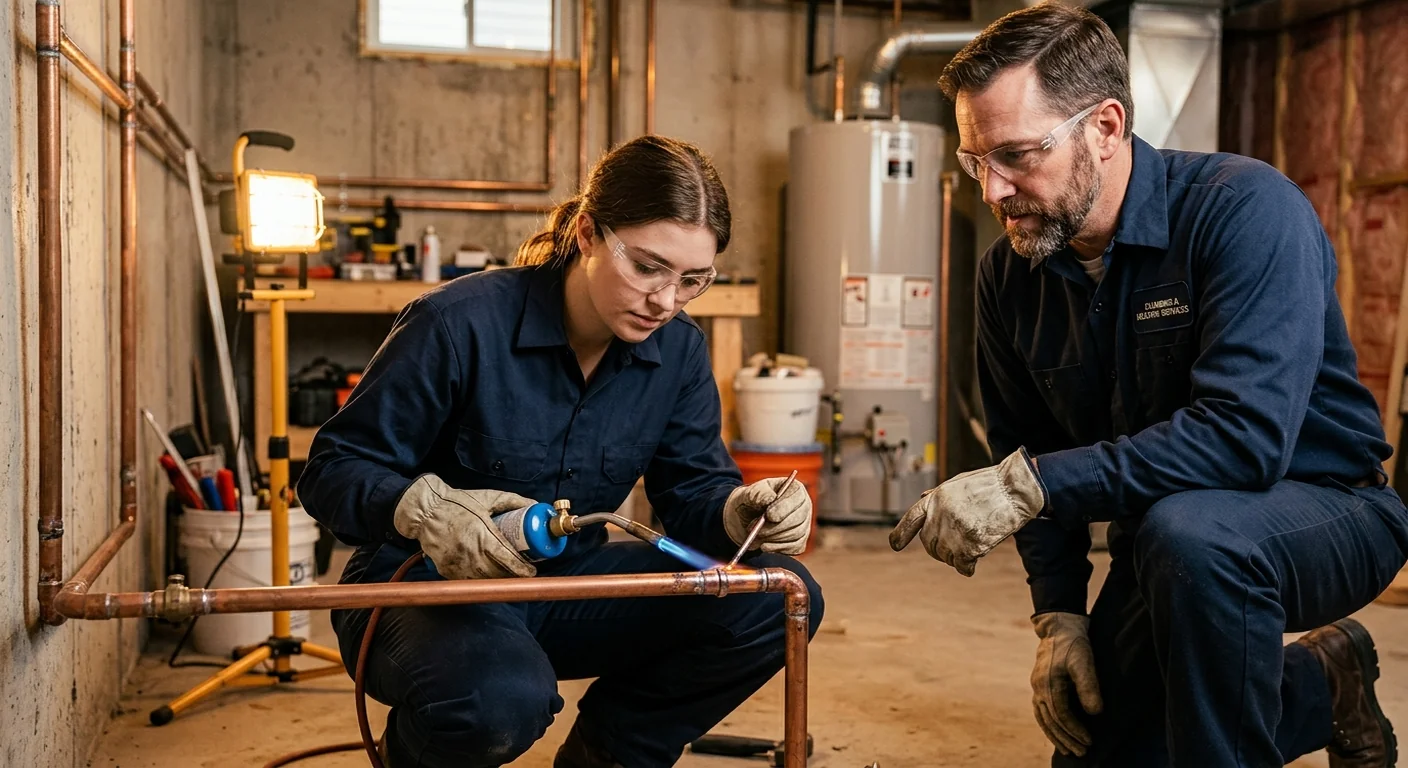
How to Become a Plumber: Apprenticeship, Journeyman, and Master Plumber Path
A step-by-step guide to becoming a licensed plumber — how the 4–5 year apprenticeship works, how to choose between UA union and PHCC/ABC non-union paths, what it takes to earn journeyman and master licenses, and what you earn at each stage.
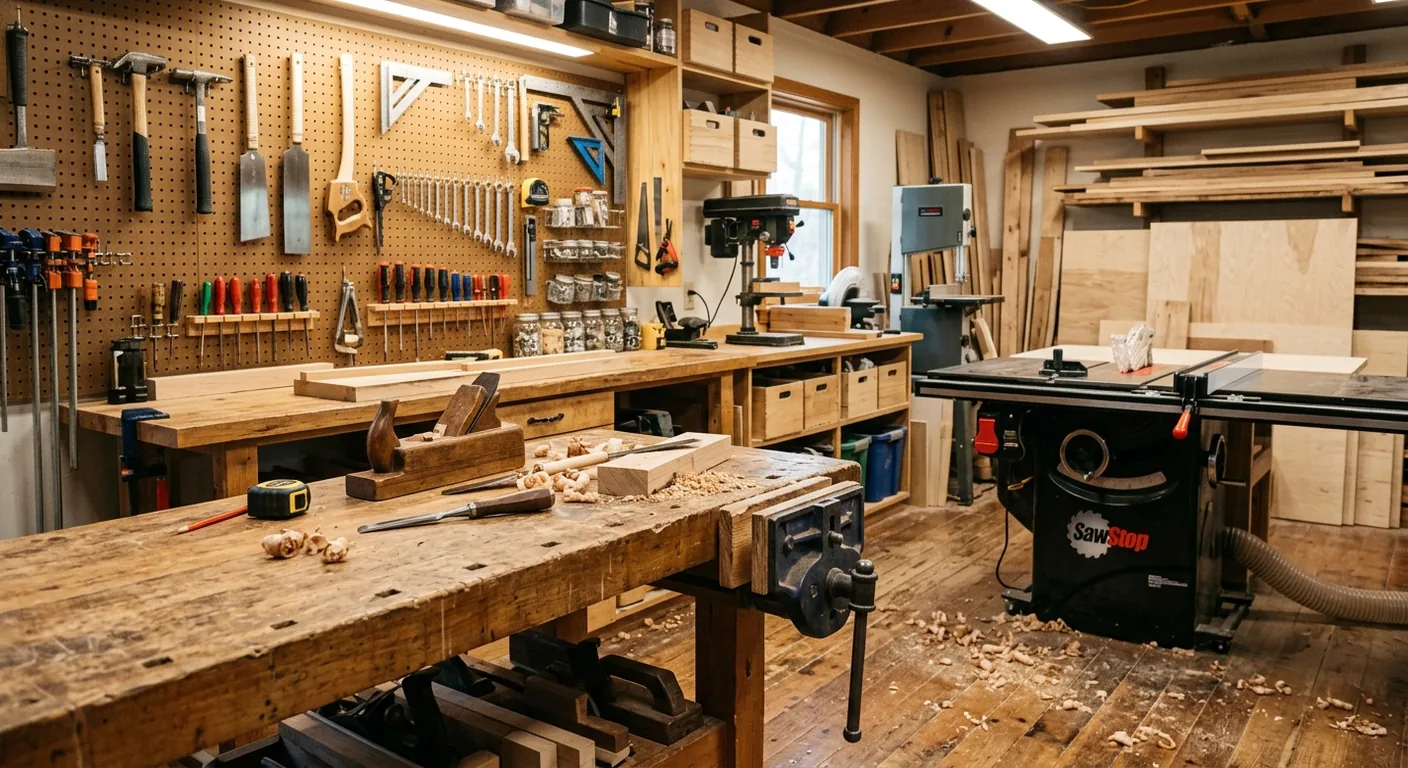
Setting Up Your First Carpentry Workshop on a Budget
A practical guide to building your first carpentry workshop without breaking the bank — from space planning and electrical setup to tool priorities and dust collection.