Health Services/Allied Health/Health Sciences, General
Program Availability
Schools Offering
294
391 total including inactive
States
35
Across 35 states
Graduates (2025)
14,289
Total completions
Health Services/Allied Health/Health Sciences, General is offered as a certificate and associate program at schools across 35 states, making it a solid trade program. The most popular states are California, Arkansas and New York.
Career & Cost Overview
Median Tuition
$3,368
In-state annual rate
In-state tuition ranges from $475 to $16,249.
Graduate Demographics
Gender Distribution
Degree Level Distribution
Where Can You Study Health Services/Allied Health/Health Sciences, General?
Click on any state to view schools offering this program.
Related Programs
Registered Nursing/Registered Nurse
Medical/Clinical Assistant
Licensed Practical/Vocational Nurse Training
Nursing Assistant/Aide and Patient Care Assistant/Aide
Emergency Medical Technology/Technician (EMT Paramedic)
Dental Assisting/Assistant
Massage Therapy/Therapeutic Massage
Phlebotomy Technician/Phlebotomist
Surgical Technology/Technologist
Medical Insurance Coding Specialist/Coder
Radiologic Technology/Science - Radiographer
Pharmacy Technician/Assistant
Practical Nursing, Vocational Nursing and Nursing Assistants, Other
Home Health Aide/Home Attendant
Dental Hygiene/Hygienist
Showing 15 of 160 related programs in this field.
From the Blog

Medical Billing vs Medical Assistant: Two Healthcare Paths, Two Pay Ceilings
A side-by-side comparison of two of the most popular allied-health entry points — medical billing and coding versus medical assisting — covering training time, certification cost, BLS salary data, work environment, and the very different career ceilings that follow each path.
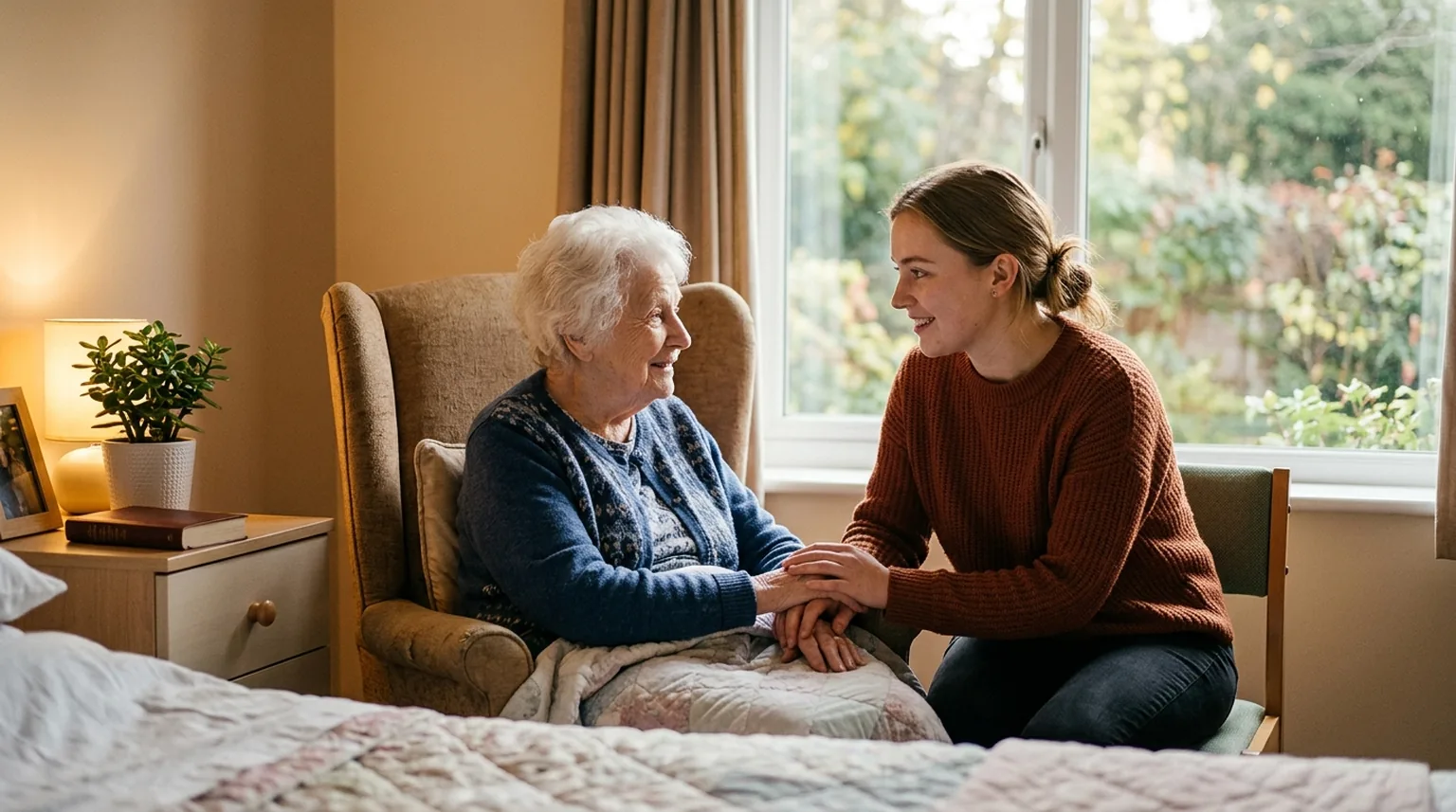
Getting Patient-Care Experience Before You Apply: A Volunteering Guide for Healthcare-Bound Students
A practical guide for students headed into nursing, medical assisting, phlebotomy, and other caregiving careers: how to get real, hands-on patient experience before you enroll or apply — including hospice volunteering, where federal law actually requires hospices to recruit and train volunteers.