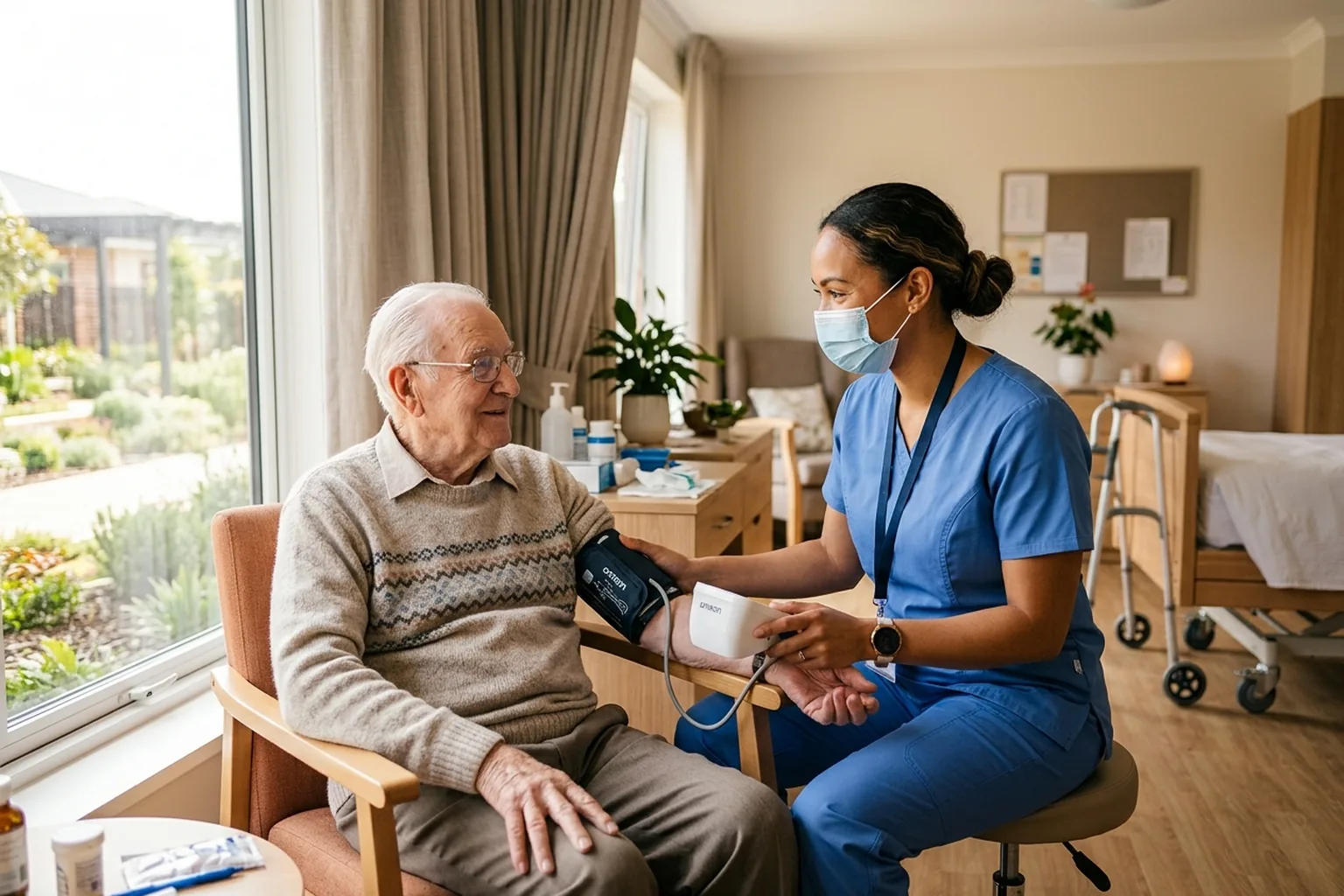
A licensed practical nurse (LPN) — called an LVN in some states — provides hands-on patient care for a 2024 median wage of $62,340, and you can train for it in about one year, according to the U.S. Bureau of Labor Statistics. That makes practical nursing one of the best-paying fast-entry healthcare careers. But not every program is worth your time and tuition — and one requirement decides whether a program can lead to a license at all.
This guide explains how to choose an LPN program that gets you to licensure and a job.
TL;DR: Key Takeaways
- Pick a state-board-approved program — first, before anything else. You can only sit for the NCLEX-PN licensing exam if you graduate from an approved program.
- Check the NCLEX-PN pass rate. It’s the single best signal of program quality and your odds of getting licensed.
- Programs take about 1 year at community colleges and technical schools, and end in a certificate or diploma.
- Median pay is $62,340, ranging from about $47,960 to over $80,510 by setting and experience.
- Look for an LPN-to-RN bridge if you might want to become a registered nurse later — it saves time and money.
The Non-Negotiable: State Approval and NCLEX-PN Eligibility
Before comparing programs on price or schedule, confirm two things: the program is approved by your state board of nursing, and it leads to NCLEX-PN eligibility.
Here’s why it’s the gate. To become licensed, you must complete a state-approved educational program and then pass a licensing exam, per BLS. And under the U.S. nursing-regulation model, a graduate must show evidence of completing an approved program to be eligible to take the NCLEX (the National Council Licensure Examination), according to the National Council of State Boards of Nursing. No approval, no exam, no license — no matter how good the marketing looks.
Many quality programs also carry accreditation from a body such as the Accreditation Commission for Education in Nursing (ACEN). Accreditation is a further quality signal and can matter if you later transfer credits into an RN program. Verify approval status with your state board of nursing directly — BLS points readers to their state board for the list of approved programs.
Where LPN Programs Are Offered, and How Long They Take
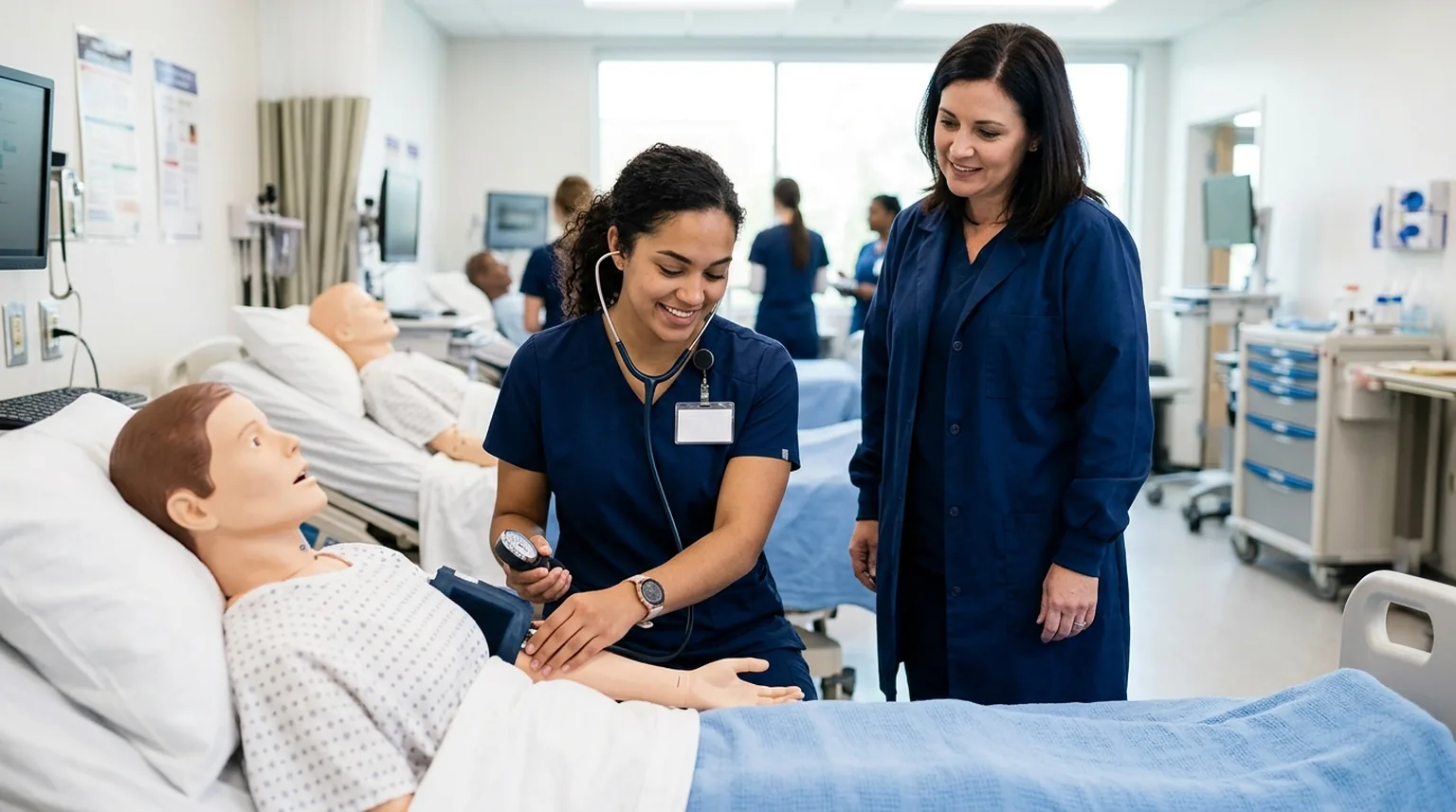
Per BLS, practical nursing certificate and diploma programs are commonly found at community colleges and technical schools (and some high schools) and typically take about one year to complete. The curriculum covers nursing fundamentals, anatomy and physiology, and pharmacology, plus supervised clinical experience — the in-person hours where you practice real patient care under supervision.
That clinical component is not optional and not something to skimp on. A program with strong clinical placements at reputable facilities gives you better training and a foot in the door for hiring.
What to Evaluate in a Program
Once a program clears the approval gate, compare on these:
- NCLEX-PN pass rate. Ask for the program’s most recent first-time pass rate and compare it to the state average. A consistently low pass rate is a serious warning.
- Clinical placements. Where do students do clinicals, and is placement guaranteed? Hands-on hours in good facilities matter.
- LPN-to-RN bridge. If you might ladder up to registered nurse, a program with an established LPN-to-RN bridge saves you time and repeated coursework later.
- Total cost and schedule. Day vs. evening options, and the all-in cost including books, uniforms, lab fees, and the NCLEX-PN exam fee.
- Outcomes support. Job-placement help and NCLEX prep resources.
How to Pay for It
Because LPN programs are about a year and lead to a credential, several funding routes apply:
- Workforce Pell Grants — the new Workforce Pell Grant (effective July 2026) extends federal Pell money to qualifying short workforce programs; check whether your program qualifies.
- Federal aid, scholarships, and employer tuition assistance — covered in our guide to paying for trade school. Healthcare employers facing staffing shortages sometimes pay for LPN training in exchange for a work commitment.
After the Program: NCLEX-PN and Licensure
Graduating is step one. To practice, you must pass the NCLEX-PN and obtain a license from your state board, per BLS. Optional certifications — in areas like gerontology, wound care, or IV therapy — can come later and help you specialize and earn more. Our step-by-step guide to becoming an LPN covers the full path, and if you’re starting from zero, becoming a CNA first is a common on-ramp.
Pay and Job Outlook
The 2024 median wage was $62,340 ($29.97/hour), per BLS, with the lowest 10% under $47,960 and the top 10% above $80,510. Employment is projected to grow 3% from 2024 to 2034 with about 54,400 openings per year — driven by an aging population and rising chronic-disease care. For the full salary breakdown by setting and how to raise your pay, see our LPN salary and career outlook, and to decide between practical and registered nursing, see LPN vs RN.
Bottom Line
The best LPN program is one your state board approves, with a strong NCLEX-PN pass rate, real clinical placements, and — if you may advance — an LPN-to-RN bridge. Confirm approval first, weigh pass rates and clinicals next, and the cost will largely take care of itself between aid and the fast return on a one-year credential.
Frequently Asked Questions
How long does an LPN program take? About one year, per BLS. Practical nursing certificate and diploma programs at community colleges and technical schools are designed to move you from no experience to exam-ready in roughly 12 months.
Can I do an LPN program online? Not entirely. Some classroom coursework may be offered online, but every approved program includes supervised clinical experience that must be completed in person, per BLS. Be skeptical of any program advertising a fully online LPN credential.
Does the program have to be accredited? It must be approved by your state board of nursing for you to be eligible for the NCLEX-PN, per NCSBN. Programmatic accreditation (for example, from ACEN) is an additional quality signal and can help if you later transfer credits into an RN program.
What is the NCLEX-PN? The National Council Licensure Examination for Practical Nurses — the national licensing exam you must pass after graduating an approved program before you can practice, per NCSBN.
How much does an LPN program cost? It varies by school and state, but practical nursing is among the lower-cost paths into a $60K-median healthcare career. Between Workforce Pell, other aid, and employer tuition help, many students pay far less than sticker.
Sources
- U.S. Bureau of Labor Statistics — Licensed Practical and Licensed Vocational Nurses: Occupational Outlook Handbook — Last modified August 28, 2025
- National Council of State Boards of Nursing — Approval of Nursing Education Programs — Accessed June 2026
- Accreditation Commission for Education in Nursing — ACEN — Accessed June 2026