All protective service supervisors not listed separately above.
First-Line Supervisors of Protective Service Workers, All Other
SOC: 33-1099 O*NET: 33-1099.00
Median Salary
$76,400
per year
Job Growth
➡️ 1.9%
Average (2024-2034)
Annual Openings
1.7
projected jobs/year
Education Level
Varies
Job Zone N/A
All protective service supervisors not listed separately above.
What does a First-Line Supervisors of Protective Service Workers, All Other do?
How much can you earn?
Entry Level
$41,110
10th percentile
Early Career
$52,400
25th percentile
Median
$76,400
50th percentile
Experienced
$92,890
75th percentile
Top Earners
$103,420
90th percentile
National Salary Distribution
10th
$41,110
25th
$52,400
Middle 50%
MEDIAN
$76,400
Mean: $74,390
75th
$92,890
90th
$103,420
Middle 50% of earners
Median salary
Mean (average)
Key Insights
- •Salary range spans $62,310 from entry level to top earners
- •Middle 50% earn between $52,400 and $92,890
- •Salary spread is 53.0% around the median, showing high variation
- •Total national employment: 20,690 professionals
What's the job outlook?
Job Market Intelligence
Medium Demand
Market demand
Medium Risk
Automation risk
Current Employment
National Employment:21,600
Top Industries
Administrative and Support and Waste Management and Remediation Services12.1%
Administrative and Support Services12.1%
Other Amusement and Recreation Industries8.3%
10-Year Outlook
Growth Rate:+1.9%
Annual Openings:1,700
Employment Projections
2025 (Current)21,600
Current
2035 (Projected)22,000
+1.9%
+400
Employment Change
+1.9%
Growth Rate
10
Year Projection
Growth Category: More slowly than average
Geographic Salary & Employment Data
Explore where First-Line Supervisors of Protective Service Workers, All Other professionals work across the United States
Showing 15 of 50 locations
California
2,330 jobs$92,6900.96x
New York
1,840 jobs$92,9301.43x
Texas
1,450 jobs$76,4000.78x
Florida
1,330 jobs$78,7301.00x
Pennsylvania
980 jobs$63,1501.21x
Colorado
890 jobs$65,4902.34x
New Jersey
860 jobs$54,7201.51x
Washington
680 jobs$79,2701.43x
Maryland
590 jobs$57,9501.60x
Georgia
550 jobs$77,5400.84x
Nevada
500 jobs$76,1602.44x
Illinois
470 jobs$86,2600.58x
North Carolina
470 jobs$66,4000.71x
Michigan
440 jobs$80,4300.75x
Louisiana
440 jobs$76,4001.69x
Understanding the Data
Location Quotient (LQ):
- • LQ > 1.0: More jobs than national average
- • LQ = 1.0: Same as national average
- • LQ < 1.0: Fewer jobs than national average
Data Source:
Bureau of Labor Statistics Occupational Employment and Wage Statistics (OEWS), May 2025
Key Growth Factors
Standard growth expectations for this occupation
What technology will you use?
Technology & Digital Skills
Essential technology proficiencies for First-Line Supervisors of Protective Service Workers, All Other
Technology Intensity
Low
Digital Literacy Requirements
This career requires basic digital literacy
1
Basic
2
Intermediate
3
Advanced
4
Expert
Key Digital Competencies:
Email and internet usageBasic software navigationFile management
Technology Stack
Technology stack information is being compiled for this career.
📚 Technology Learning Resources
Recommended Certifications
- •Vendor-specific software certifications
- •Industry-recognized technology credentials
- •Professional development courses
Online Learning Platforms
- •LinkedIn Learning - Comprehensive technology courses
- •Coursera - University-level programs
- •Udemy - Practical skills training
💡 Technology Skill Development Tips
- •Focus on mastering hot technologies first - they're currently most in-demand
- •Build a portfolio demonstrating your proficiency with key tools and software
- •Stay current through continuous learning - technology evolves rapidly
- •Consider vendor certifications to validate your skills to employers
What's the work environment like?
🏗️
Location
Varies
💪
Physical Demand
LOW
👥
Team Orientation
Varies
🤝
Customer Interaction
NONE
💡Is This Work Environment Right for You?
Consider these factors when evaluating if you'll thrive in this work environment:
- •Are you comfortable working in varies environments?
- •Can you meet low physical demands?
What career paths are available?
Career Pathways
0
Advancement Opportunities
0
Lateral Move Options
0%
Avg. Salary Increase
Advancement Opportunities
Typical career progression paths from First-Line Supervisors of Protective Service Workers, All Other
💡 Career Planning Tips
- •Most successful advancement happens after 3-5 years of experience
- •Lateral moves can provide valuable cross-functional experience for future leadership roles
- •Focus on developing skills that are transferable across multiple career paths
- •Consider industry trends when planning long-term career moves
Trade Colleges That Train for First-Line Supervisors of Protective Service Workers, All Other
Top trade colleges by completions in fields that prepare students for this career.
East Los Angeles College
Monterey Park, CA
1.6k program completions/year
Ivy Tech Community College
Indianapolis, IN
1.0k program completions/year
Moreno Valley College
Moreno Valley, CA
661 program completions/year
Santa Rosa Junior College
Santa Rosa, CA
658 program completions/year
Southwestern Illinois College
Belleville, IL
476 program completions/year
Community College of Baltimore County
Baltimore, MD
434 program completions/year
Fresno City College
Fresno, CA
395 program completions/year
Des Moines Area Community College
Ankeny, IA
380 program completions/year
San Bernardino Valley College
San Bernardino, CA
337 program completions/year
Tarrant County College District
Fort Worth, TX
327 program completions/year
Butte College
Oroville, CA
319 program completions/year
El Paso Community College
El Paso, TX
289 program completions/year
From the Blog

Skilled Trades Outlook
Robots on the Jobsite in 2026: What They Actually Do — and How Trades Workers Come Out Ahead
Layout printers, rebar-tying robots, and weld cobots are on real jobsites now. Verified 2026 field data on what they do, plus a five-move playbook for trades workers.
Trades News & Analysis
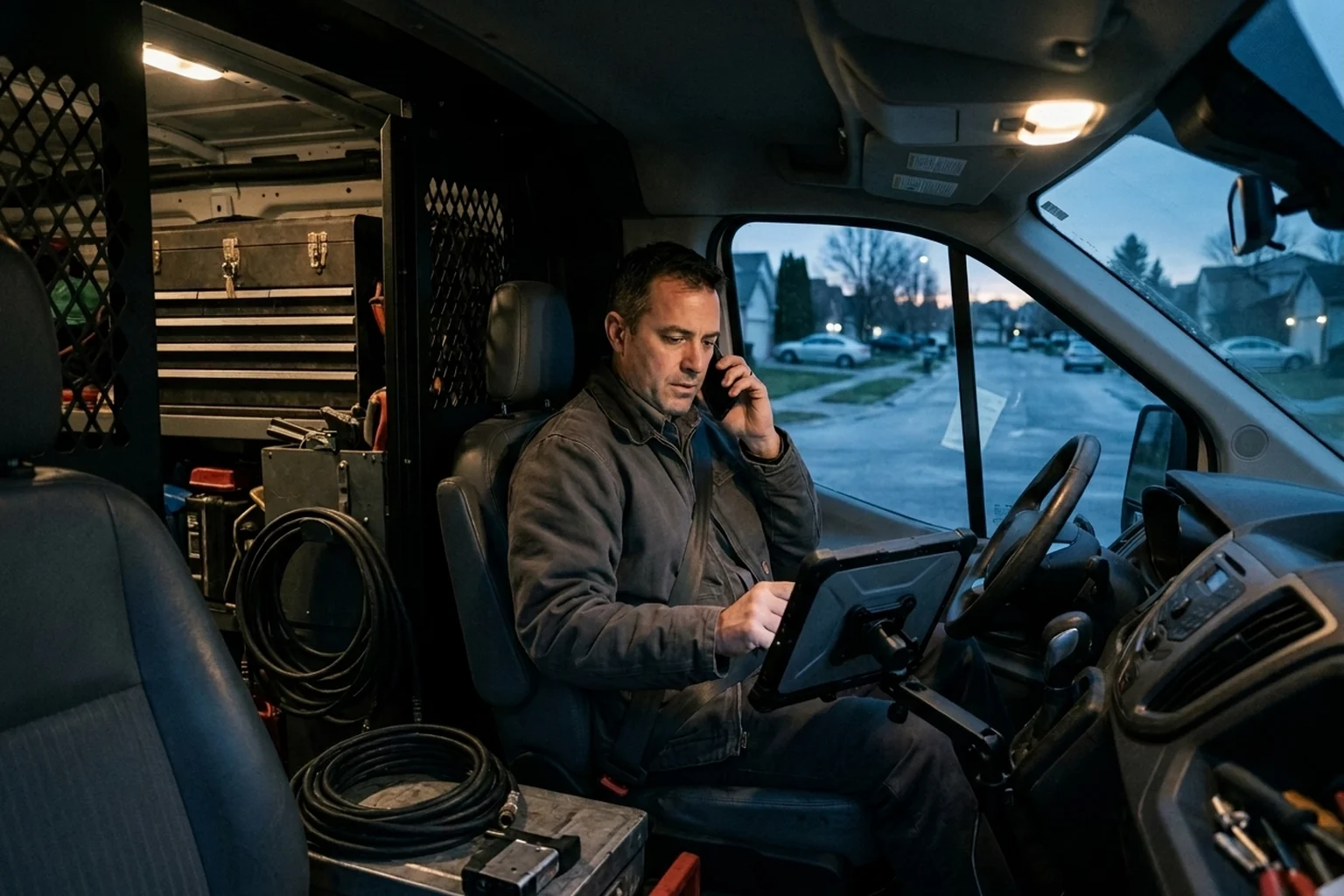
DOL: Taking the Dispatch Doesn't Start the Clock. Making the Calls Does.
Two Wage and Hour Division opinion letters issued July 22 set out when a field service worker's paid day begins — and when the drive to the first job site becomes hours worked.

Career Guidance
Can't Go Back to Your Trade After an Injury? Retraining Options and Who Pays
A practical guide for tradespeople who can't return to full duty after a work injury: careers that use your experience with less physical strain, and how workers' compensation, state vocational rehabilitation and WIOA can pay for retraining.
Trade Programs
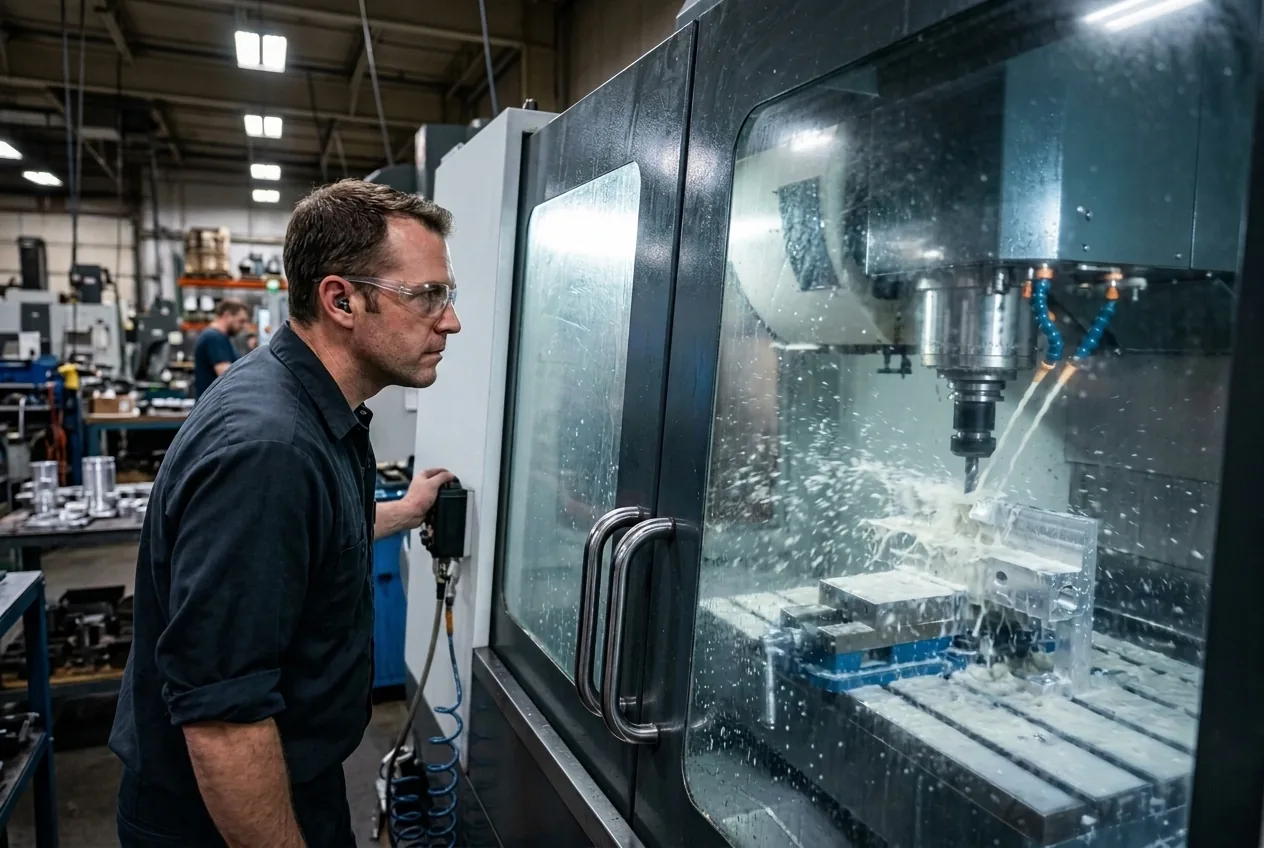
How to Become a CNC Machinist: NIMS Credentials, Apprenticeships, and First-Year Pay
A shop-floor guide to becoming a CNC machinist — the operator vs. setup vs. programmer pay ladder, community college machine tool programs vs. registered apprenticeships, NIMS Machining Level I and II credentials, print reading and GD&T, and what the first-year paycheck really looks like.