Inspect and monitor transportation equipment, vehicles, or systems to ensure compliance with regulations and safety standards.
Transportation Vehicle, Equipment and Systems Inspectors, Except Aviation
SOC: 53-6051 O*NET: 53-6051.07
Median Salary
$92,100
per year
Job Growth
➡️ 2.2%
Average (2024-2034)
Annual Openings
2.3
projected jobs/year
Education Level
High school diploma or equivalent
Job Zone 2
Inspect and monitor transportation equipment, vehicles, or systems to ensure compliance with regulations and safety standards.
What does a Transportation Vehicle, Equipment and Systems Inspectors, Except Aviation do?
How much can you earn?
Entry Level
$40,330
10th percentile
Early Career
$58,780
25th percentile
Median
$92,100
50th percentile
Experienced
$108,890
75th percentile
Top Earners
$138,670
90th percentile
National Salary Distribution
10th
$40,330
25th
$58,780
Middle 50%
MEDIAN
$92,100
Mean: $88,540
75th
$108,890
90th
$138,670
Middle 50% of earners
Median salary
Mean (average)
Key Insights
- •Salary range spans $98,340 from entry level to top earners
- •Middle 50% earn between $58,780 and $108,890
- •Salary spread is 54.4% around the median, showing high variation
- •Total national employment: 24,500 professionals
What's the job outlook?
Job Market Intelligence
Medium Demand
Market demand
Medium Risk
Automation risk
Current Employment
National Employment:25,100
Top Industries
Support Activities for Transportation16.2%
Support Activities for Air Transportation10.4%
Manufacturing8.3%
10-Year Outlook
Growth Rate:+2.2%
Annual Openings:2,300
Employment Projections
2025 (Current)25,100
Current
2035 (Projected)25,600
+2.2%
+600
Employment Change
+2.2%
Growth Rate
10
Year Projection
Growth Category: As fast as average
Geographic Salary & Employment Data
Explore where Transportation Vehicle, Equipment and Systems Inspectors, Except Aviation professionals work across the United States
Showing 15 of 46 locations
New York
3,720 jobs$93,4202.44x
Texas
2,290 jobs$101,4401.03x
California
1,790 jobs$83,0000.62x
Florida
1,630 jobs$101,4701.04x
Illinois
1,130 jobs$47,9901.18x
New Jersey
930 jobs$49,2501.37x
Georgia
880 jobs$95,0301.15x
Arizona
830 jobs$62,2501.63x
Alabama
670 jobs$108,1402.01x
Michigan
540 jobs$35,8900.78x
Washington
490 jobs$104,2500.87x
Oklahoma
470 jobs$111,0701.73x
Colorado
460 jobs$81,8201.01x
South Carolina
440 jobs$80,4901.22x
Ohio
430 jobs$77,0100.50x
Understanding the Data
Location Quotient (LQ):
- • LQ > 1.0: More jobs than national average
- • LQ = 1.0: Same as national average
- • LQ < 1.0: Fewer jobs than national average
Data Source:
Bureau of Labor Statistics Occupational Employment and Wage Statistics (OEWS), May 2025
Key Growth Factors
- •Average growth expected
What skills do you need?
Top 10 Most Important Skills
#1
Quality Control Analysis
100%
#2
Mechanical
100%
#3
Near Vision
100%
#4
Operations Monitoring
92%
#5
Problem Sensitivity
92%
#6
Active Listening
82%
#7
Oral Comprehension
82%
#8
Transportation
80%
#9
Speaking
74%
#10
Flexibility of Closure
74%
Skills Overview
Quality Control Analysis
advanced5.0
100%
Mechanical
advanced5.0
100%
Near Vision
advanced5.0
100%
Operations Monitoring
advanced4.6
92%
Problem Sensitivity
advanced4.6
92%
Active Listening
intermediate4.1
82%
Oral Comprehension
intermediate4.1
82%
Transportation
intermediate4.0
80%
Skills are rated on a scale of 0-5, with 5 being the most important. The complexity level indicates how advanced the skill typically needs to be.
Filter:
Sort by:
Quality Control Analysis
advancedImportance100%
skills
5.0/5.0
Mechanical
advancedImportance100%
knowledge
5.0/5.0
Near Vision
advancedImportance100%
abilities
5.0/5.0
Operations Monitoring
advancedImportance92%
skills
4.6/5.0
Problem Sensitivity
advancedImportance92%
abilities
4.6/5.0
Active Listening
intermediateImportance82%
skills
4.1/5.0
Oral Comprehension
intermediateImportance82%
abilities
4.1/5.0
Transportation
intermediateImportance80%
knowledge
4.0/5.0
Speaking
intermediateImportance74%
skills
3.7/5.0
Flexibility of Closure
intermediateImportance74%
abilities
3.7/5.0
Reading Comprehension
basicImportance66%
abilities
3.3/5.0
Arm-Hand Steadiness
intermediateImportance66%
abilities
3.3/5.0
Highly Transferable Skills
These skills are valuable across multiple career paths, making career transitions easier:
Extruding, Forming, Pressing, and Compacting Machine Setters, Operators, and Tenders89%
5 shared skills
Gas Compressor and Gas Pumping Station Operators80%
5 shared skills
Cutting, Punching, and Press Machine Setters, Operators, and Tenders, Metal and Plastic78%
5 shared skills
Etchers and Engravers78%
5 shared skills
Furnace, Kiln, Oven, Drier, and Kettle Operators and Tenders78%
5 shared skills
Electromechanical Equipment Assemblers75%
5 shared skills
Skills by Career Stage
Entry Level
Must Have:
- ✓Active Listening
- ✓Mechanical
- ✓Transportation
Learn on the Job:
- →Troubleshooting
- →English Language
- →Reading Comprehension
Mid Career
Expected:
- ✓Quality Control Analysis
- ✓Operations Monitoring
- ✓Active Listening
- ✓Mechanical
- ✓Transportation
Senior Level
Mastery Required:
- ★Quality Control Analysis
- ★Active Listening
- ★Mechanical
- ★Transportation
- ★Near Vision
Skill Development Tips
- •Focus on developing the top 5 skills first - they have the highest impact on career success
- •Transferable skills open doors to related careers and provide flexibility
- •Balance technical skills with soft skills for well-rounded professional development
- •Entry-level positions prioritize foundational skills that can be built upon over time
What technology will you use?
Technology & Digital Skills
Essential technology proficiencies for Transportation Vehicle, Equipment and Systems Inspectors, Except Aviation
Technology Intensity
Medium
Digital Literacy Requirements
This career requires intermediate digital literacy
1
Basic
2
Intermediate
3
Advanced
4
Expert
Key Digital Competencies:
Office productivity softwareIndustry-specific applicationsBasic data entry and managementDigital communication tools
🔥
Hot Technologies in Demand
These technologies are currently trending and highly sought after in this field
Adobe Acrobat
🔥 Hot TechMicrosoft Outlook
🔥 Hot TechMicrosoft Office software
🔥 Hot TechGoogle Android
🔥 Hot TechMicrosoft Excel
🔥 Hot TechMicrosoft Word
🔥 Hot TechTechnology Stack
Technology Stack Overview
Key technologies used in this career
Adobe Acrobat
Microsoft Outlook
Microsoft Office software
Google Android
Microsoft Excel
Microsoft Word
📚 Technology Learning Resources
Recommended Certifications
- •Vendor-specific software certifications
- •Industry-recognized technology credentials
- •Professional development courses
Online Learning Platforms
- •LinkedIn Learning - Comprehensive technology courses
- •Coursera - University-level programs
- •Udemy - Practical skills training
💡 Technology Skill Development Tips
- •Focus on mastering hot technologies first - they're currently most in-demand
- •Build a portfolio demonstrating your proficiency with key tools and software
- •Stay current through continuous learning - technology evolves rapidly
- •Consider vendor certifications to validate your skills to employers
What's the work environment like?
🏗️
Location
Varies
💪
Physical Demand
LOW
👥
Team Orientation
Varies
🤝
Customer Interaction
NONE
💡Is This Work Environment Right for You?
Consider these factors when evaluating if you'll thrive in this work environment:
- •Are you comfortable working in varies environments?
- •Can you meet low physical demands?
What are the key tasks?
Tasks & Responsibilities
17
Core Tasks
8
Daily Tasks
20
Work Activities
0
Emerging Tasks
Filter:
Sort by:
Documentation & Record-Keeping (2)General Responsibilities (14)Management & Supervision (1)
1
Prepare and submit reports after completion of freight shipments.
🔴Daily
Importance:
Documentation & Record-Keeping100% perform100%
2
Inspect shipments to ensure that freight is securely braced and blocked.
🔴Daily
Importance:
General Responsibilities97% perform98%
3
Record details about freight conditions, handling of freight, and any problems encountered.
🔴Daily
Importance:
Documentation & Record-Keeping94% perform96%
4
Advise crews in techniques of stowing dangerous and heavy cargo.
🔴Daily
Importance:
General Responsibilities91% perform94%
5
Observe loading of freight to ensure that crews comply with procedures.
🔴Daily
Importance:
General Responsibilities88% perform92%
6
Recommend remedial procedures to correct any violations found during inspections.
🔴Daily
Importance:
General Responsibilities85% perform90%
7
Inspect loaded cargo, cargo lashed to decks or in storage facilities, and cargo handling devices to determine compliance with health and safety regulations and need for maintenance.
🔴Daily
Importance:
General Responsibilities82% perform88%
8
Notify workers of any special treatment required for shipments.
🔴Daily
Importance:
General Responsibilities79% perform86%
9
Direct crews to reload freight or to insert additional bracing or packing as necessary.
🟡Weekly
Importance:
Management & Supervision76% perform84%
10
Check temperatures and humidities of shipping and storage areas to ensure that they are at appropriate levels to protect cargo.
🟡Weekly
Importance:
General Responsibilities73% perform82%
💡 Key Takeaways
- •Daily tasks focus primarily on documentation & record-keeping activities
- •41% of tasks are performed by most workers in this occupation
- •Career advancement brings increased leadership and strategic responsibilities
What career paths are available?
Career Pathways
0
Advancement Opportunities
0
Lateral Move Options
0%
Avg. Salary Increase
Advancement Opportunities
Typical career progression paths from Transportation Vehicle, Equipment and Systems Inspectors, Except Aviation
💡 Career Planning Tips
- •Most successful advancement happens after 3-5 years of experience
- •Lateral moves can provide valuable cross-functional experience for future leadership roles
- •Focus on developing skills that are transferable across multiple career paths
- •Consider industry trends when planning long-term career moves
Is this career right for you?
Personality & Values Fit
Is This Career Right for You?
Transportation Vehicle, Equipment and Systems Inspectors, Except Aviation professionals typically have a RCI Holland code and highly value support
RRealistic
CConventional
IInvestigative
Important Personality Traits
Work styles that contribute to success as a Transportation Vehicle, Equipment and Systems Inspectors, Except Aviation
Independence
Very ImportantIndependence
Importance Level4.12
Integrity
ImportantIntegrity
Importance Level3.91
Cooperation
ImportantCooperation
Importance Level3.88
Attention to Detail
ImportantAttention to Detail
Importance Level3.85
Dependability
ImportantDependability
Importance Level3.82
Concern for Others
ImportantConcern for Others
Importance Level3.82
Complete Work Styles Profile
Independence
4.1
Integrity
3.9
Cooperation
3.9
Attention to Detail
3.9
Dependability
3.8
Concern for Others
3.8
Self-Control
3.6
Adaptability/Flexibility
3.6
Stress Tolerance
3.6
Initiative
3.5
💡 Tips for Career Fit Success
- •While personality fit is important, skills can be developed with practice and training
- •Consider informational interviews to better understand the day-to-day personality requirements
- •Work environments vary by employer - research specific companies for cultural fit
- •Your interests and values may evolve - reassess periodically throughout your career
What education is required?
Education Level
High school diploma or equivalent
Typical duration: High school diploma or GED
Preparation Level
Job Zone 2
Some Preparation Needed
Experience Needed
Some previous work-related skill, knowledge, or experience may be helpful
📚 Education Requirement
Required Level:High school diploma or equivalent
These occupations usually require a high school diploma and may require some vocational training or job-related course work.
Training:
Training of a few months to a year
💼 Experience Requirement
Some previous work-related skill, knowledge, or experience may be helpful
Common pathways to gain experience:
- • Some previous work-related skill, knowledge, or experience
- • Vocational school programs (6 months to 2 years)
- • Industry certifications helpful
2
Job Zone Two: Some Preparation Needed
These occupations usually require a high school diploma and may require some vocational training or job-related course work.
Some previous work-related skill, knowledge, or experienceVocational school programs (6 months to 2 years)Industry certifications helpful
Ready to Start Your Journey?
Explore educational programs that can help you become a Transportation Vehicle, Equipment and Systems Inspectors, Except Aviation.
Browse Training Programs →Trade Colleges That Train for Transportation Vehicle, Equipment and Systems Inspectors, Except Aviation
Top trade colleges by completions in fields that prepare students for this career.
Advanced Career Institute
Visalia, CA
952 program completions/year
U.S. Truck Driver Training School
Sterling Heights, MI
790 program completions/year
New England Tractor Trailer Training School of Rhode Island
Pawtucket, RI
626 program completions/year
New England Tractor Trailer Training School of CT-Bridgeport
Bridgeport, CT
483 program completions/year
Delta Technical College-Mississippi
Horn Lake, MS
475 program completions/year
New England Tractor Trailer Training School of Connecticut
Somers, CT
430 program completions/year
New England Tractor Trailer Training School of Massachusetts
Haverhill, MA
396 program completions/year
M T Training Center
Desoto, TX
343 program completions/year
HDS Truck Driving Institute
Tucson, AZ
324 program completions/year
Diesel Driving Academy-Baton Rouge
Baton Rouge, LA
313 program completions/year
All-State Career School
Essington, PA
306 program completions/year
City Colleges of Chicago-Olive-Harvey College
Chicago, IL
303 program completions/year
From the Blog

Tools & Equipment
Essential Tools & Gear for Culinary Arts Students: A Complete Guide
Discover the must-have tools, safety gear, and equipment every culinary arts student needs — from knife kits to cookware, with budget tiers and buying advice.
Trade Programs
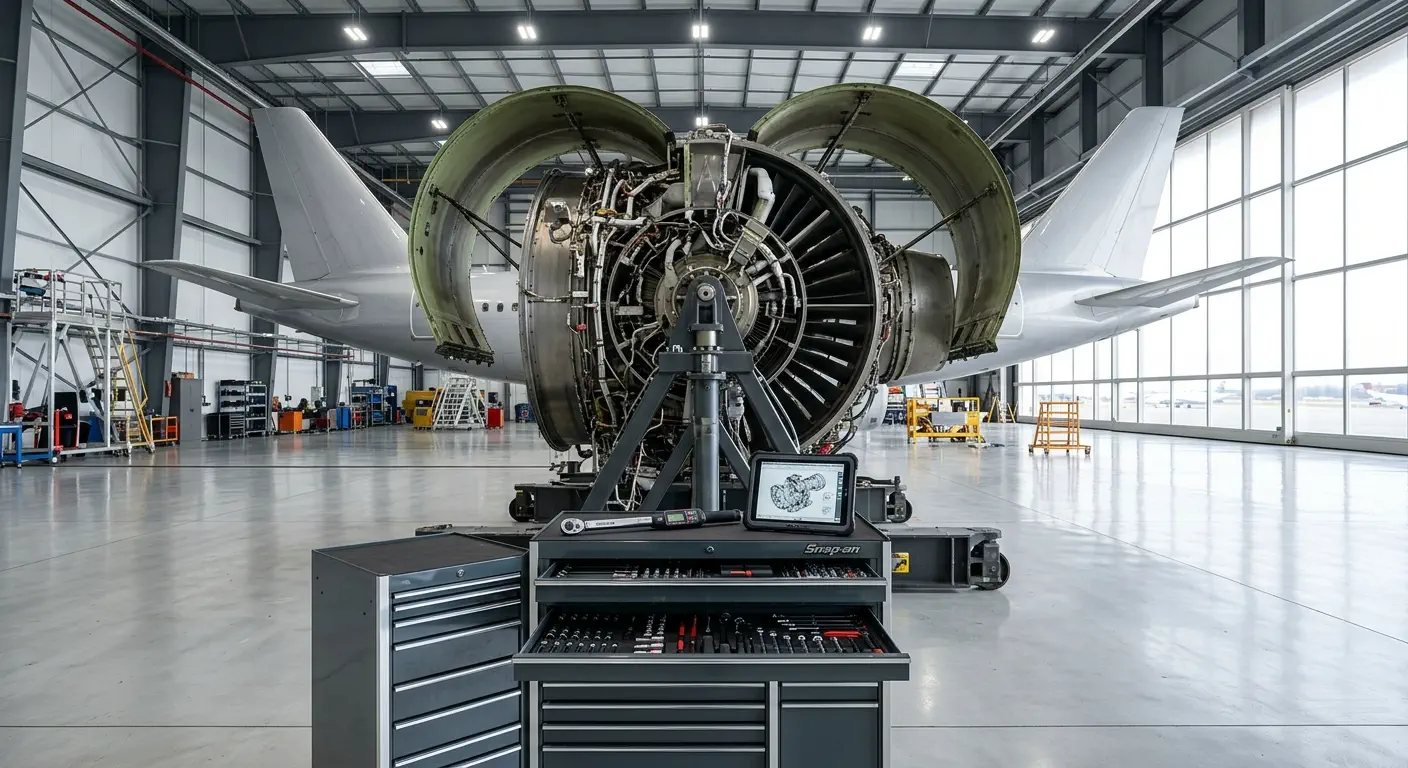
Aircraft Mechanic Salary, FAA A&P & Outlook (2026)
A complete guide to aircraft mechanic careers — FAA A&P certification, salary data, the growing technician shortage, and why aviation maintenance is one of the best-paying trades you can enter right now.