Electrical and Electronics Engineering
Program Availability
Schools Offering
20
26 total including inactive
States
11
Across 11 states
Graduates (2025)
826
Total completions
Electrical and Electronics Engineering is offered as a associate and certificate program at schools across 11 states, making it a solid trade program. The most popular states are Maryland, New York and Texas.
Career & Cost Overview
Median Salary
$134,830
Aerospace Engineers
Job Growth
+6.1%
10-year projected growth
Median Tuition
$4,596
In-state annual rate
Graduates typically pursue careers as Aerospace Engineers. In-state tuition ranges from $2,432 to $15,125, and the work is primarily indoor with moderate physical demands — suited for hands-on learners who enjoy practical work.
Graduate Demographics
Gender Distribution
Degree Level Distribution
Is This Career Right for You?
Is This Career Right for You?
Interest Profile (Holland Codes)
hands-on, practical work with tools and equipment; research, analysis, and problem-solving; organizing, systematizing, and working with data
What does this mean? ▼
This career is best suited for people who enjoy:
- Building things
- Working with hands
- Conducting research
- Solving complex problems
- Organization
- Data management
Ideal Candidate Profile
👤 Personality Traits
💡 Interests
⭐ Work Values
❓ Ask Yourself These Questions
Do you enjoy hands-on, practical work with tools and equipment; research, analysis, and problem-solving; organizing, systematizing, and working with data?
Are you comfortable working indoor with moderate physical demands?
Do you enjoy collaborating with team members?
Do you value speaking?
Are you willing to develop the technical skills required for this field?
✓ This Career May Be Great For You If:
- • Hands-on learners who enjoy practical work
- • Analytical thinkers who enjoy problem-solving
- • Detail-oriented individuals who value organization
⚠ Consider These Challenges:
- • Those who prefer desk-based, theoretical work
- • Those who prefer routine tasks
- • Those who dislike repetitive tasks
Note: This assessment is based on typical requirements and characteristics for careers in this field. Individual experiences may vary. Consider your own interests, values, and goals when making career decisions.
Where Can You Study Electrical and Electronics Engineering?
Click on any state to view schools offering this program.
Related Programs
Pre-Engineering
Engineering, General
Engineering Science
Mechanical Engineering
Mechatronics, Robotics, and Automation Engineering
Computer Software Engineering
Telecommunications Engineering
Civil Engineering, General
Computer Engineering, General
Surveying Engineering
Agricultural Engineering
Applied Engineering
Bioengineering and Biomedical Engineering
Civil Engineering, Other
Electrical, Electronics, and Communications Engineering, Other
Showing 15 of 40 related programs in this field.
From the Blog
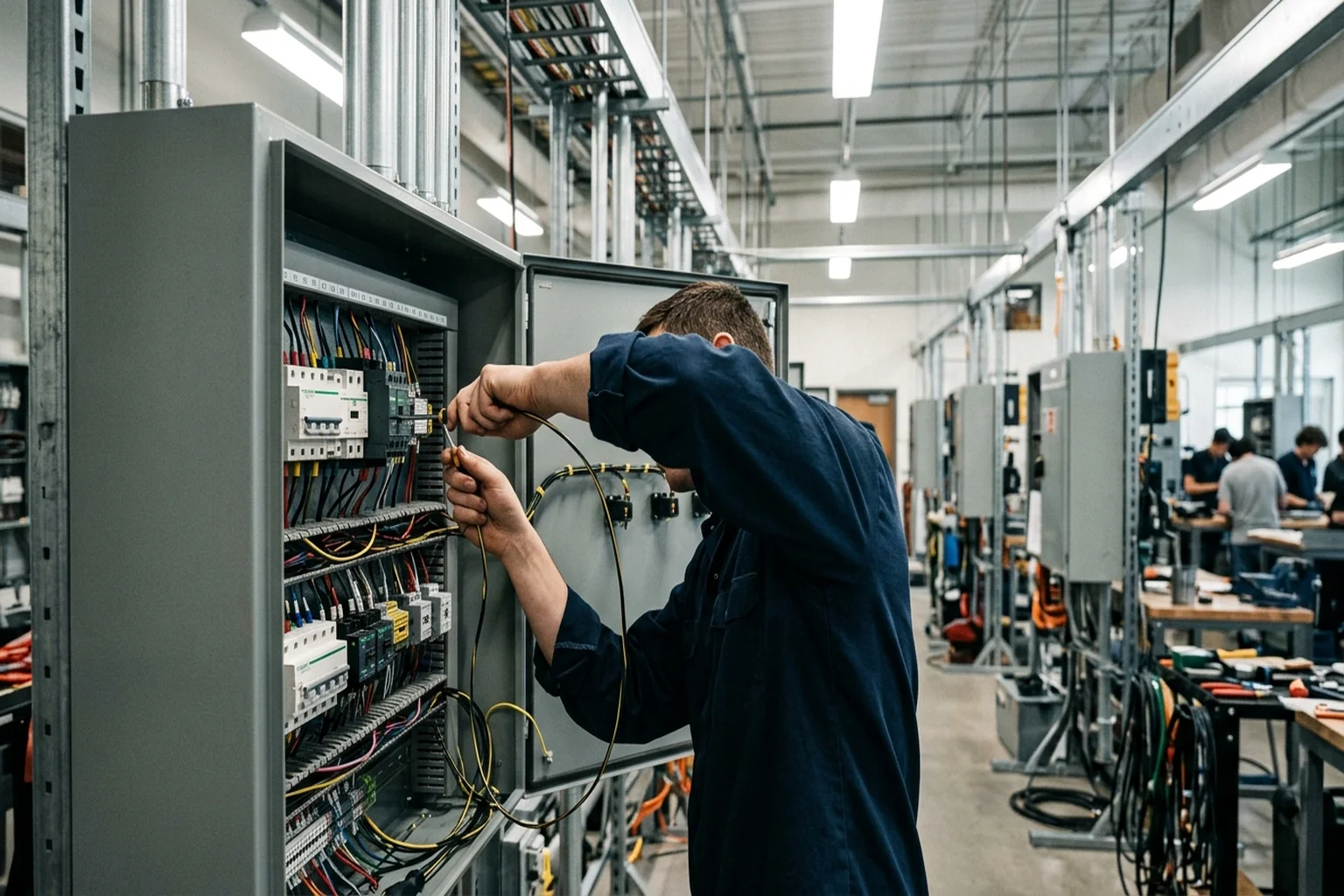
Best Electrician Schools and IBEW/NECA Apprenticeships: How to Pick the Right Training Path
Trade school, IBEW/NECA union apprenticeship, or non-union ABC/IEC route — the three real paths to electrician licensure compared on cost, timeline, pay progression, and long-term earnings.
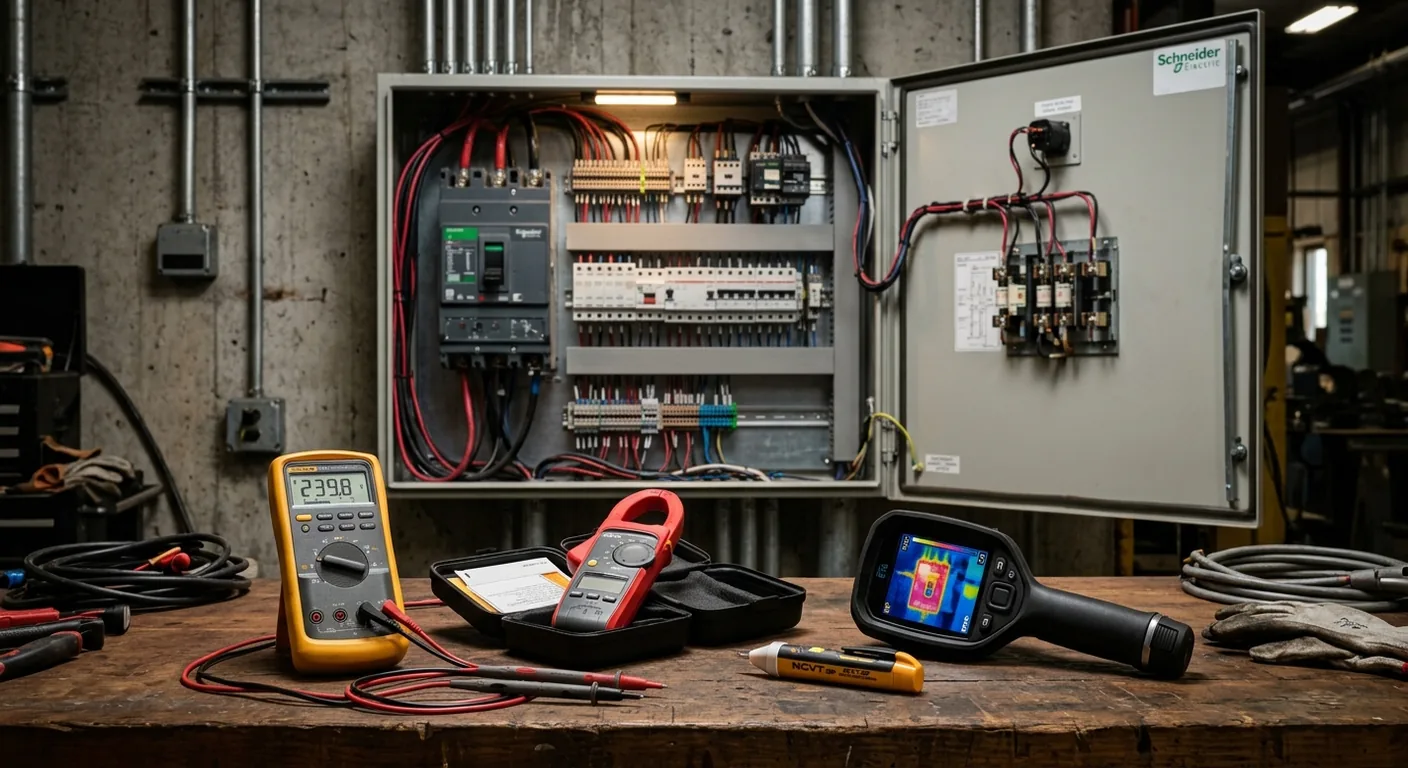
Electrical Testing & Diagnostic Equipment: A Field Guide
A practical guide to the testing and diagnostic tools every electrician needs — from multimeters and clamp meters to thermal imagers and power quality analyzers.
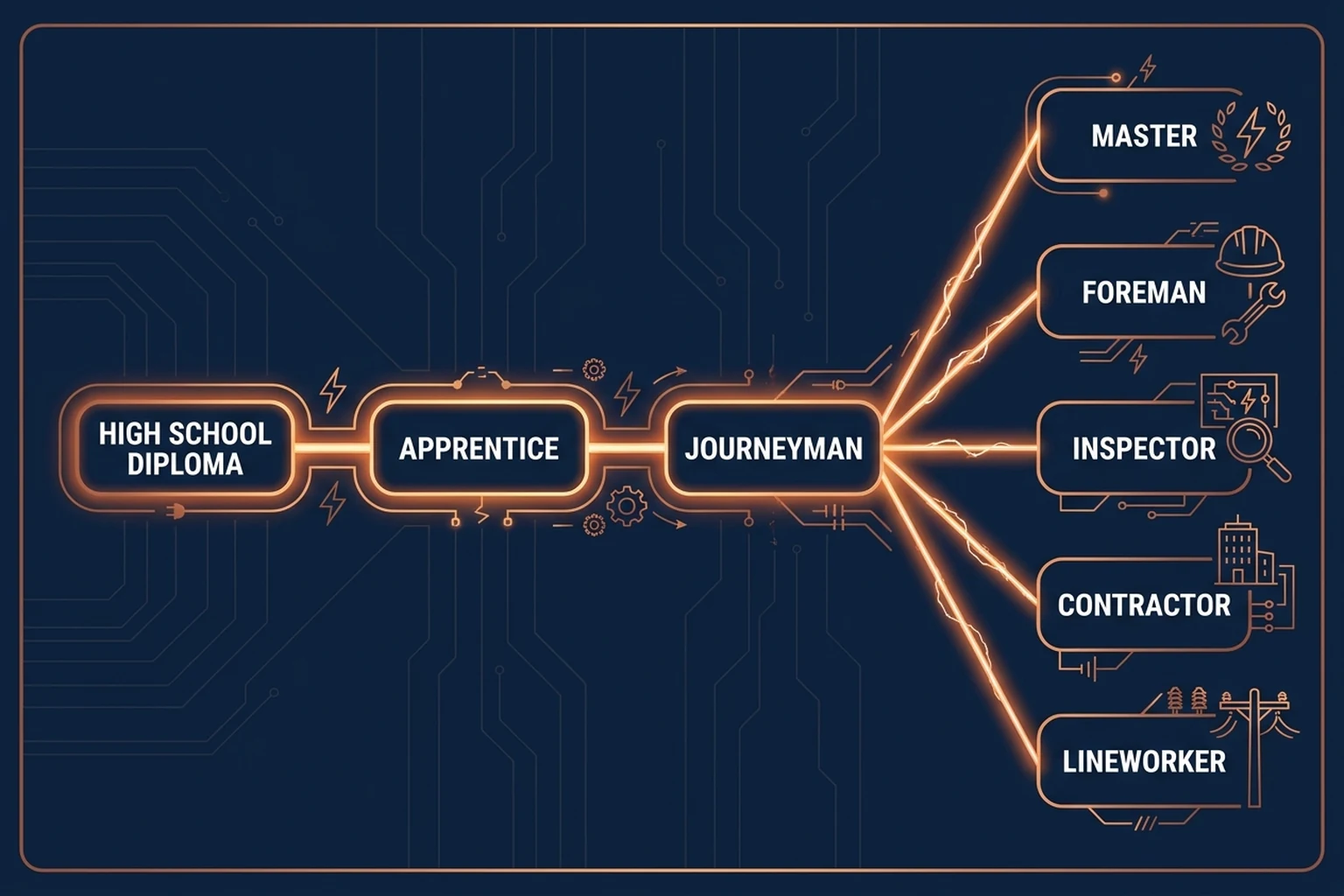
Electrician Career Paths: From Apprentice to Master, Inspector, or Contractor
The full electrician career map: entry requirements, the apprenticeship, and the five branches after journeyman — what each pays and which are actually growing.