Engineering/Engineering-Related Technologies/Technicians, Other
Program Availability
Schools Offering
36
90 total including inactive
States
13
Across 13 states
Graduates (2025)
560
Total completions
Engineering/Engineering-Related Technologies/Technicians, Other is offered as a associate and certificate program at schools across 13 states, making it a solid trade program. The most popular states are Maryland, New Jersey and Massachusetts.
Career & Cost Overview
Median Tuition
$4,612
In-state annual rate
In-state tuition ranges from $576 to $9,500.
Graduate Demographics
Gender Distribution
Degree Level Distribution
Where Can You Study Engineering/Engineering-Related Technologies/Technicians, Other?
Click on any state to view schools offering this program.
Related Programs
Heating, Ventilation, Air Conditioning and Refrigeration Engineering Technology/Technician
Manufacturing Engineering Technology/Technician
Electrical, Electronic, and Communications Engineering Technology/Technician
Drafting and Design Technology/Technician, General
Electromechanical/Electromechanical Engineering Technology/Technician
Instrumentation Technology/Technician
Electromechanical Technologies/Technicians, Other
Industrial Production Technologies/Technicians, Other
CAD/CADD Drafting and/or Design Technology/Technician
Industrial Technology/Technician
Engineering Technologies/Technicians, General
Electrical/Electronic Engineering Technologies/Technicians, Other
Architectural Drafting and Architectural CAD/CADD
Mechanical/Mechanical Engineering Technology/Technician
Construction Engineering Technology/Technician
Showing 15 of 69 related programs in this field.
From the Blog

Remote-Friendly Trade Careers in 2026 (BLS Data)
An honest, data-driven look at which skilled trades actually allow location flexibility — mobile field work, hybrid quoting and estimating, and the rare truly remote roles like CAD drafting and virtual energy auditing.
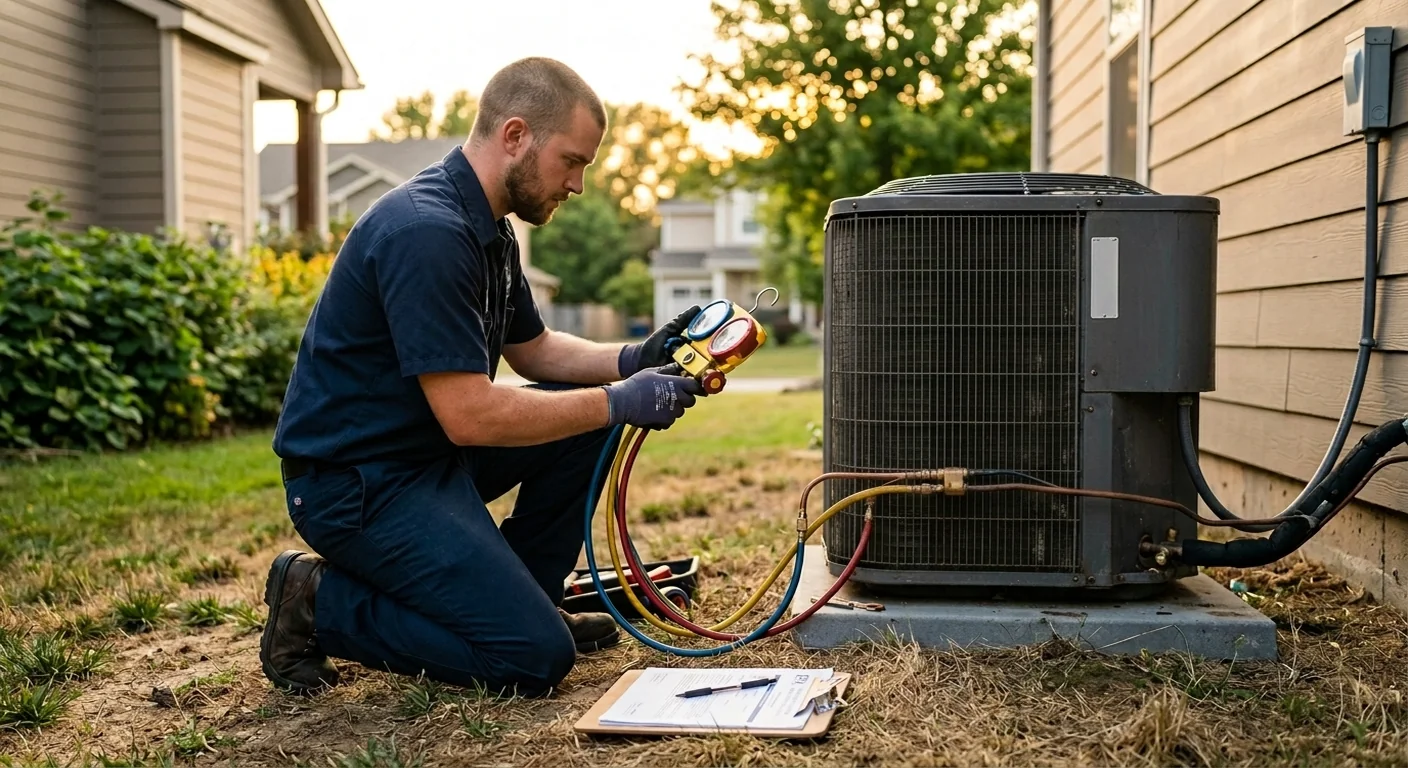
EPA 608 Certification: Types I, II, III & Universal (2026)
A practical guide to EPA Section 608 — the federally-mandated refrigerant handling certification — covering Type I, II, III, and Universal in plain language: what each Type lets you legally work on, the 70% pass threshold, the proctored-Core rule for Universal, where to test (ESCO, Mainstream, RSES), what it costs, and why it does not expire.