
Career Guidance
Robotics Technician: The New Trade the Robot Boom Built (2026 Guide)
North American companies ordered 36,766 robots in 2025, and every one of them needs a human technician. Training paths, real BLS pay data, and how to get in.
66 articles found · Page 1 of 4
North American companies ordered 36,766 robots in 2025, and every one of them needs a human technician. Training paths, real BLS pay data, and how to get in.

Layout printers, rebar-tying robots, and weld cobots are on real jobsites now. Verified 2026 field data on what they do, plus a five-move playbook for trades workers.

A cost-benefit guide for bachelor's degree holders weighing a move into the skilled trades — what underemployment data actually says about your degree, what trades pay, what retraining costs, the Pell grant trap, and the new Workforce Pell exception that took effect July 2026.
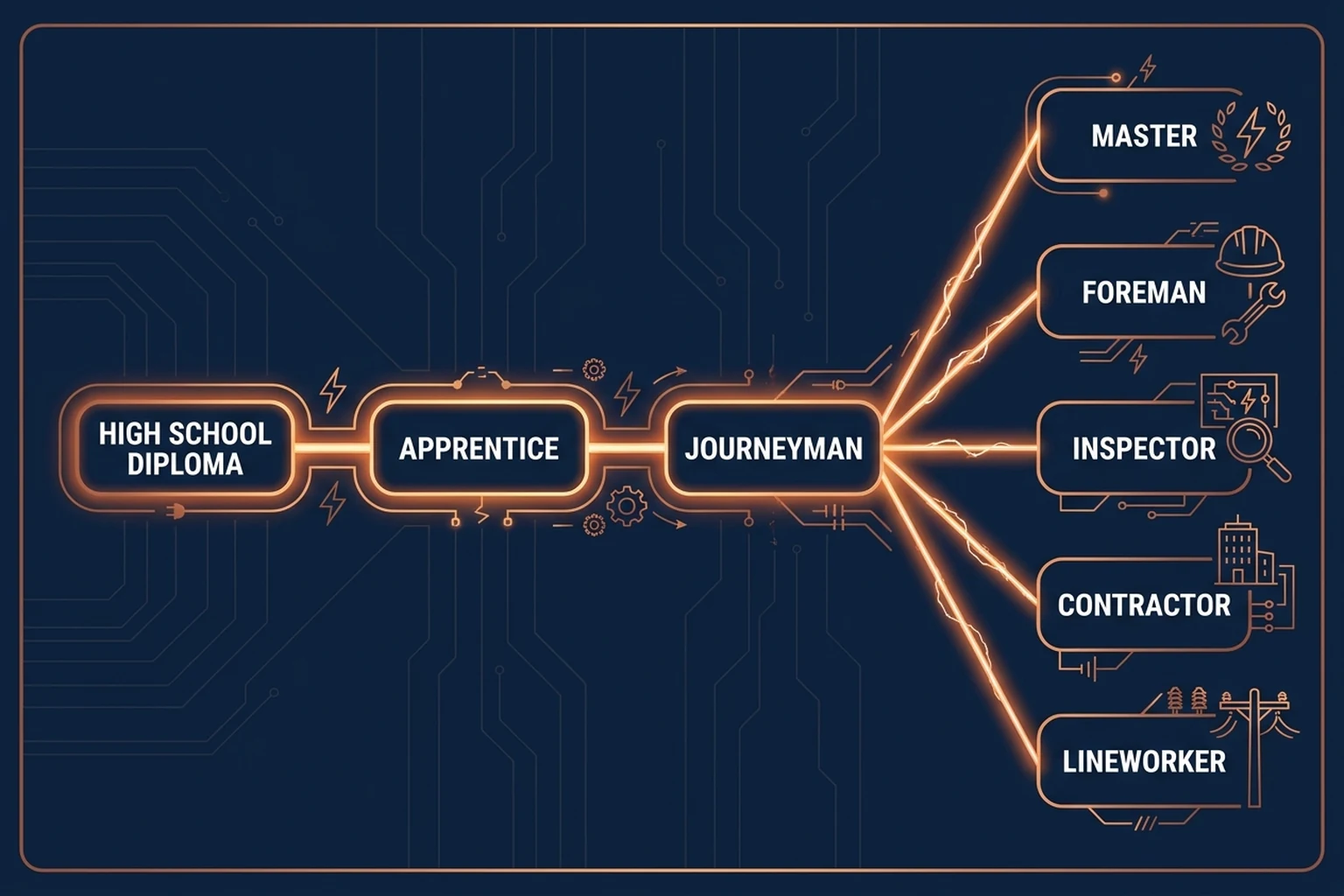
The full electrician career map: entry requirements, the apprenticeship, and the five branches after journeyman — what each pays and which are actually growing.

A shop-floor guide to becoming a CNC machinist — the operator vs. setup vs. programmer pay ladder, community college machine tool programs vs. registered apprenticeships, NIMS Machining Level I and II credentials, print reading and GD&T, and what the first-year paycheck really looks like.
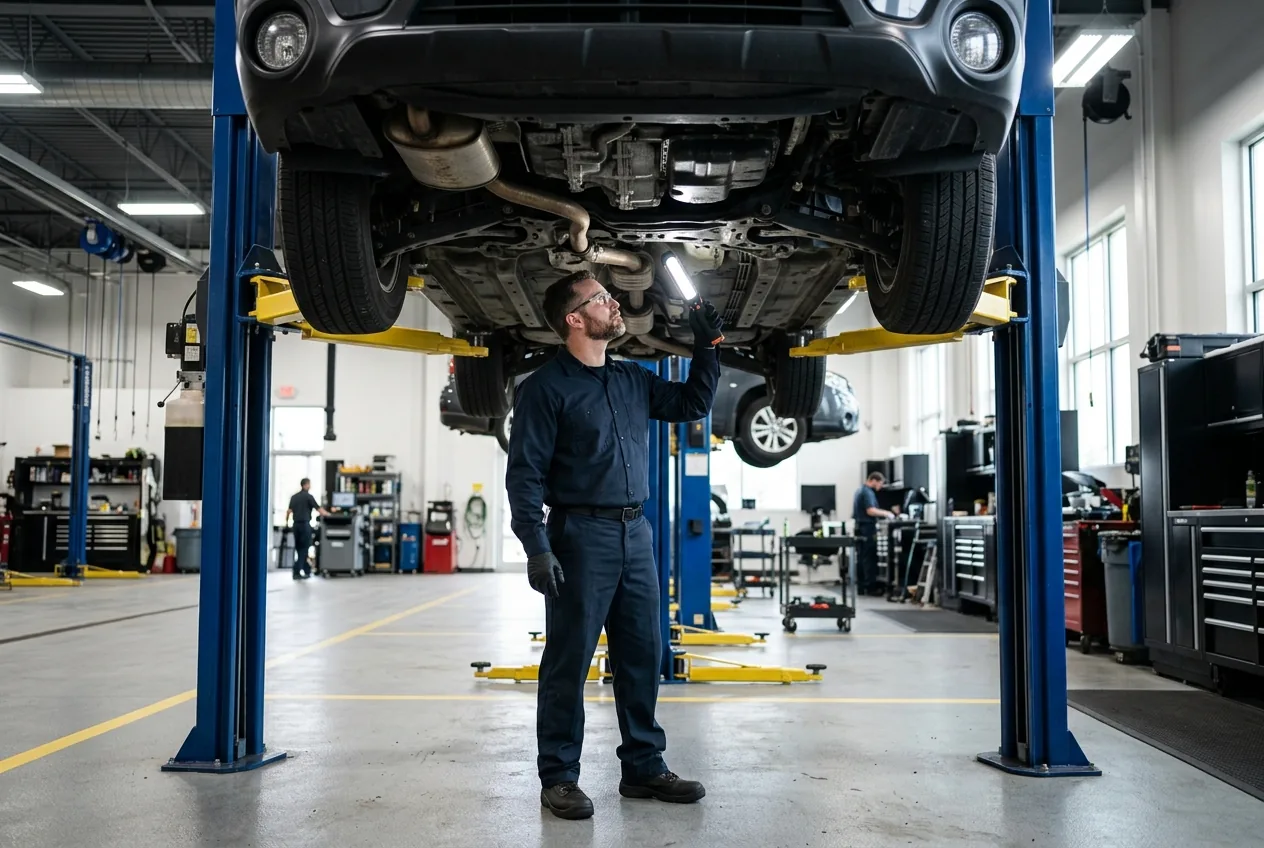
A step-by-step guide to becoming an auto mechanic — the lube-tech entry ladder, community college vs manufacturer programs like Toyota T-TEN, the full ASE A1–A8 Master Technician path, real tool costs, flat-rate pay explained, and what the EV shift means for the trade.

A data-backed guide for parents re-entering work after years of caregiving — why the trades judge skills over résumé gaps, which trades fit school-hours schedules, honest talk about the childcare barrier, and the apprenticeship programs built to support returning parents.
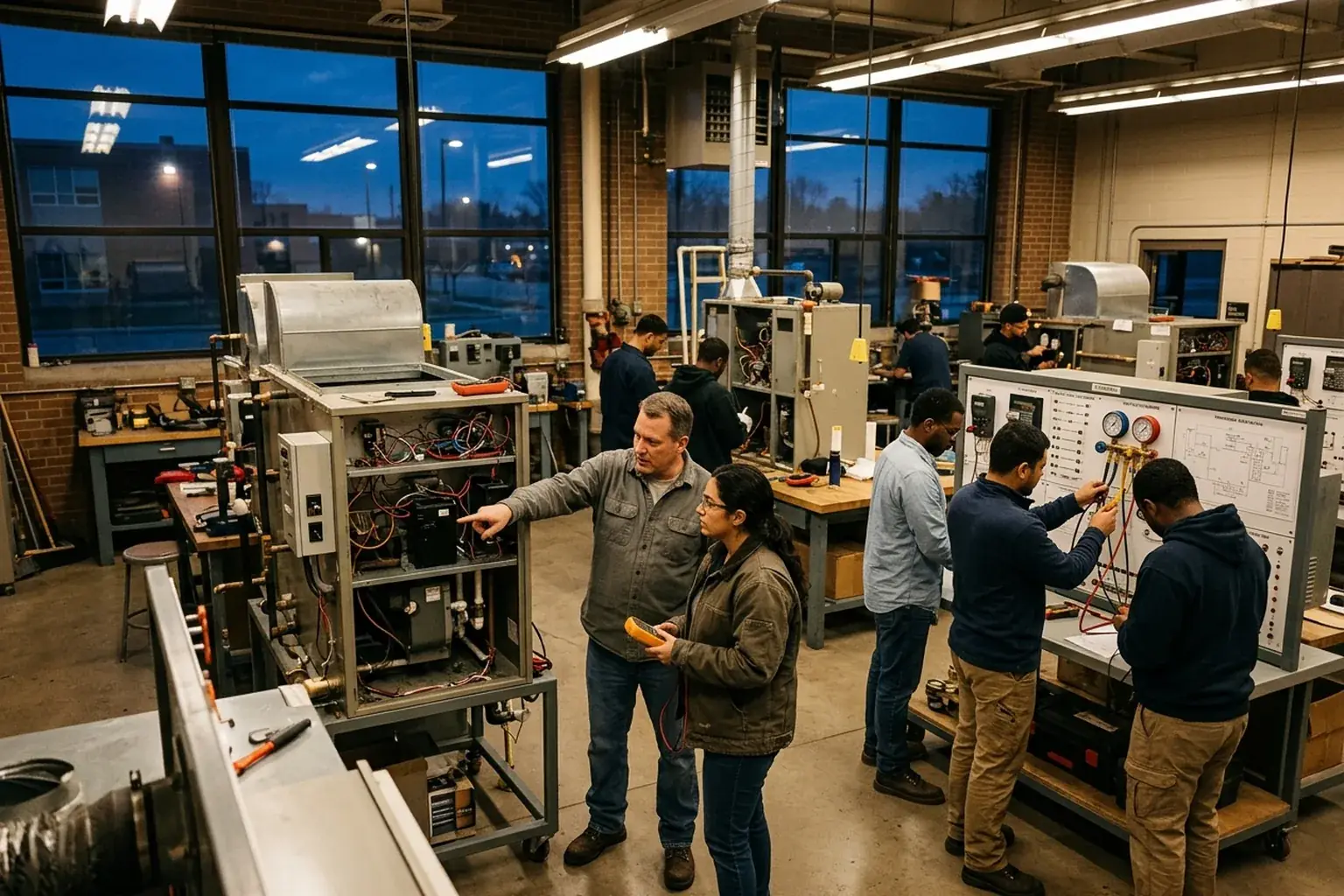
A practical guide to switching into the skilled trades without quitting your job — comparing evening and weekend trade school, registered apprenticeships where the job is the training, and hybrid programs, with honest weekly-hour budgets and BLS-sourced payoff data.

An honest, BLS-sourced guide to skilled trades where the math stays at tape-measure level — flooring, painting, roofing, cosmetology, CDL driving — plus a frank look at which trades genuinely demand algebra and how training programs teach the math you do need.

A BLS-sourced guide to the skilled trades that hire without a diploma — construction labor, roofing, flooring, painting — plus how Job Corps lets you earn a GED and a trade credential at the same time, and why the GED still raises your ceiling.

How Post-9/11 GI Bill benefits actually work at trade schools: the tuition cap for non-degree programs, housing allowance rules, why apprenticeships stack wages on top of benefits, what Yellow Ribbon does (and doesn't) cover, and how to read VA caution flags before you enroll.

Which skilled trades actually involve the least dealing with the public — ranked using O*NET's 'Deal With External Customers' work-context scores for every trade occupation, paired with BLS median wages, plus the trades commonly recommended to introverts that the data does not support.

A practical, honest guide for people with a criminal record entering the skilled trades — which trades have welcoming pathways, which still have hard licensing barriers, and the named federal and union programs (Pathway Home, RESTART, IBEW 2nd Call) built to help.

An honest, data-driven look at which skilled trades actually allow location flexibility — mobile field work, hybrid quoting and estimating, and the rare truly remote roles like CAD drafting and virtual energy auditing.

A data-driven guide for women considering the skilled trades — which trades offer the best pay parity, where the fastest growth is, what funding and pre-apprenticeship support exists specifically for women, and how to find women-friendly programs.

A realistic, data-driven guide for adults in their 40s switching into the skilled trades — covering the 20-to-25-year runway math, which trades work best, the mortgage/kids/partner trade-offs, and the financial bridge during apprenticeship.

The four union pipelines that take service members straight into registered apprenticeships — Helmets to Hardhats, IBEW VEEP, UA VIP, and SMART Heroes — plus what your MOS actually transfers, where state licensing still applies, and the rank-to-apprentice adjustment nobody warns you about.
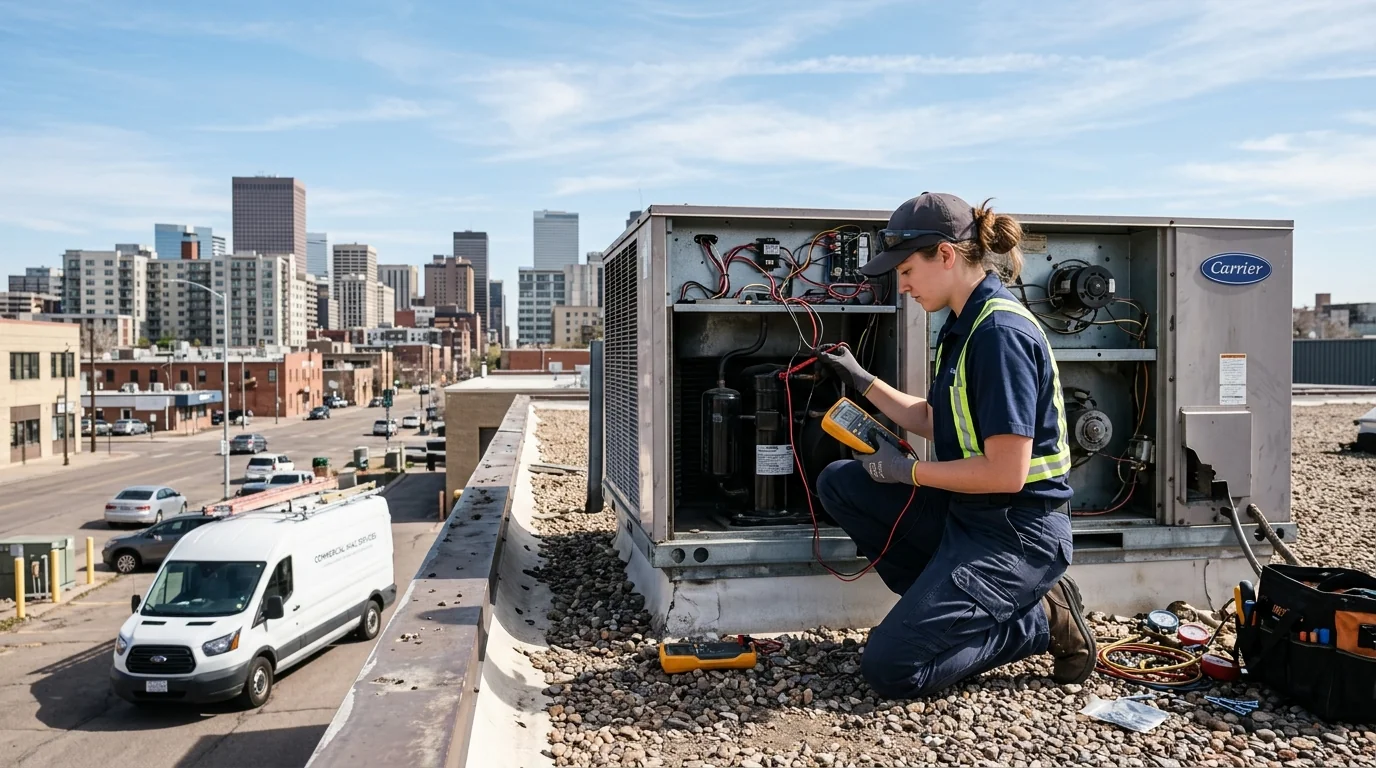
A strengths-based career guide for adults with ADHD or strong kinesthetic learning preferences considering the skilled trades — covering which trades reward novelty-seeking, urgency, and physical engagement, and which demand the kind of sustained detail focus that may be a poor fit.

A practical guide to skilled trade careers you can enter with zero student debt — covering registered apprenticeships that pay during training, employer-sponsored programs, military-to-civilian SkillBridge pathways, and state free-tuition programs that cover technical college tuition in full.

A realistic, BLS-sourced guide to the skilled trade careers with the shortest training paths — from 3-week CDL programs to 12-month surgical tech certificates — with honest tradeoffs on ceiling pay, licensing, and the difference between finishing class and being allowed to work alone.