LPN Salary and Career Outlook: How Much Do LPNs Make in 2026?
How much LPNs make in 2026: the $62,340 median, the full pay range by industry and setting, the job outlook (54,400 openings a year), and concrete ways to raise your LPN salary.

Expert guides, career insights, and practical advice to help you succeed in trade education and skilled careers.
How much LPNs make in 2026: the $62,340 median, the full pay range by industry and setting, the job outlook (54,400 openings a year), and concrete ways to raise your LPN salary.

LPN vs RN compared for 2026: training time and cost, the licensing exams, scope of practice, and pay ($62,340 vs $93,600 median) — plus the LPN-to-RN bridge that lets you start fast and ladder up.
There's no single 'best' massage therapy school — there's the best one for the state you'll practice in. Here's how accreditation, required hours, and MBLEx pass rates separate a program that launches a career from one that wastes your tuition.
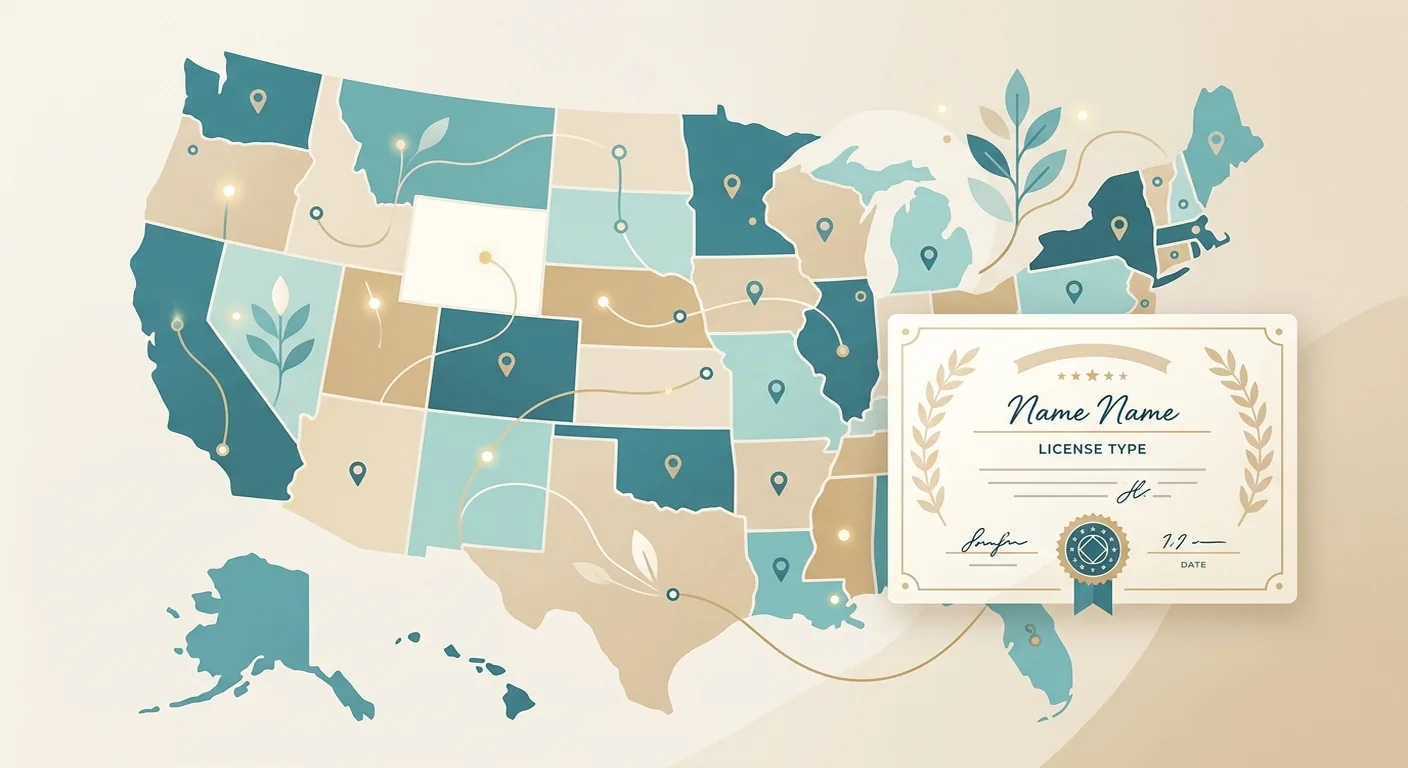
Massage therapy is licensed in 47 states plus D.C. and the territories — but required hours, exams, and renewal rules vary widely. Here's what each state demands, why it matters before you enroll, and how to plan if you might move.
A step-by-step guide to becoming a certified nursing assistant in 4–12 weeks: federal training rules, the competency exam, how training can be free, and the CNA-to-RN ladder.
A step-by-step guide to becoming a medical assistant: accredited 9–12 month programs, the externship, and how to choose between the CMA, RMA, and CCMA certifications.
A step-by-step guide to becoming a Licensed Practical or Vocational Nurse: ~12-month programs, the NCLEX-PN, a $62,340 median salary, and how LPNs ladder up to RN.
A practical guide for students headed into nursing, medical assisting, phlebotomy, and other caregiving careers: how to get real, hands-on patient experience before you enroll or apply — including hospice volunteering, where federal law actually requires hospices to recruit and train volunteers.
Which skilled trades actually involve the least dealing with the public — ranked using O*NET's 'Deal With External Customers' work-context scores for every trade occupation, paired with BLS median wages, plus the trades commonly recommended to introverts that the data does not support.
A practical, honest guide for people with a criminal record entering the skilled trades — which trades have welcoming pathways, which still have hard licensing barriers, and the named federal and union programs (Pathway Home, RESTART, IBEW 2nd Call) built to help.
An honest, data-driven look at which skilled trades actually allow location flexibility — mobile field work, hybrid quoting and estimating, and the rare truly remote roles like CAD drafting and virtual energy auditing.
A data-driven guide for women considering the skilled trades — which trades offer the best pay parity, where the fastest growth is, what funding and pre-apprenticeship support exists specifically for women, and how to find women-friendly programs.
A realistic, data-driven guide for adults in their 40s switching into the skilled trades — covering the 20-to-25-year runway math, which trades work best, the mortgage/kids/partner trade-offs, and the financial bridge during apprenticeship.
The four union pipelines that take service members straight into registered apprenticeships — Helmets to Hardhats, IBEW VEEP, UA VIP, and SMART Heroes — plus what your MOS actually transfers, where state licensing still applies, and the rank-to-apprentice adjustment nobody warns you about.
A strengths-based career guide for adults with ADHD or strong kinesthetic learning preferences considering the skilled trades — covering which trades reward novelty-seeking, urgency, and physical engagement, and which demand the kind of sustained detail focus that may be a poor fit.
A practical guide to skilled trade careers you can enter with zero student debt — covering registered apprenticeships that pay during training, employer-sponsored programs, military-to-civilian SkillBridge pathways, and state free-tuition programs that cover technical college tuition in full.
A realistic, BLS-sourced guide to the skilled trade careers with the shortest training paths — from 3-week CDL programs to 12-month surgical tech certificates — with honest tradeoffs on ceiling pay, licensing, and the difference between finishing class and being allowed to work alone.
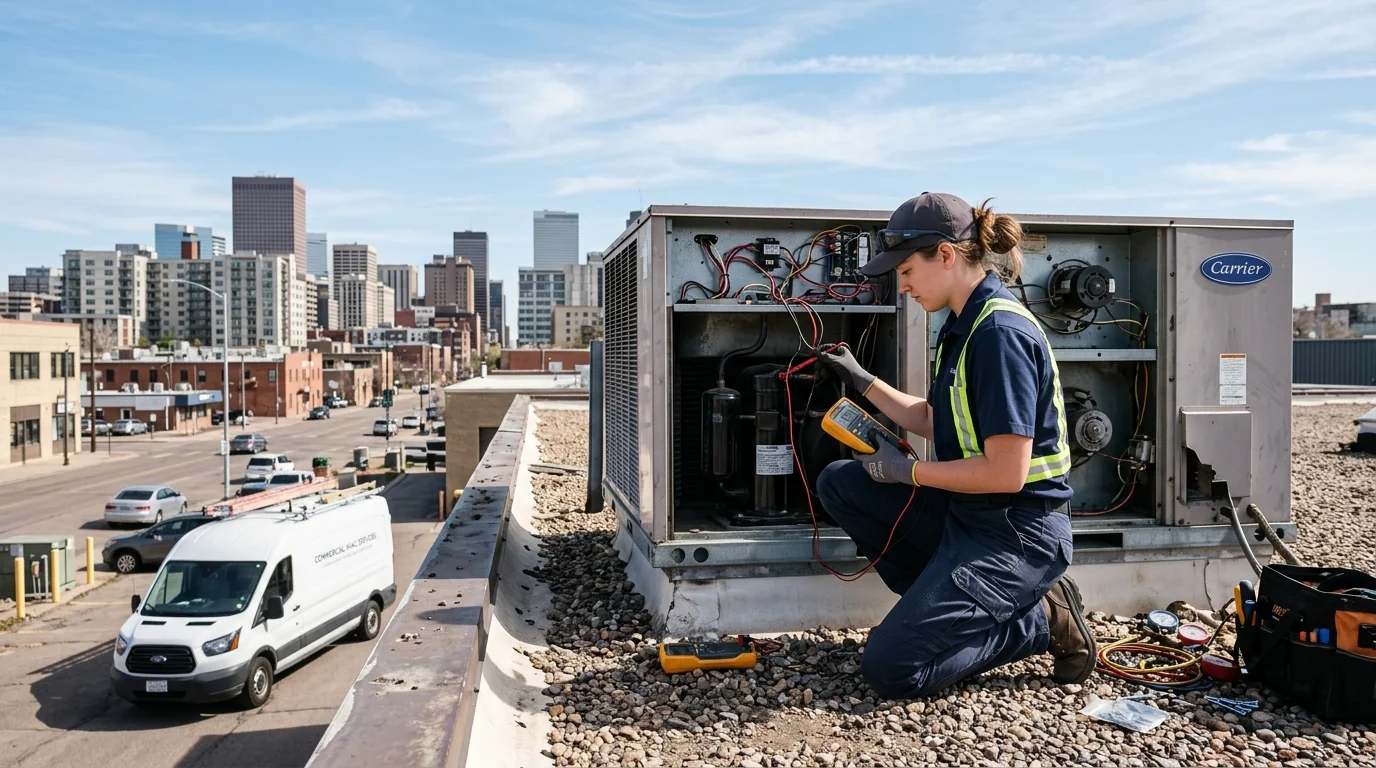
A working tech's guide to NATE certification: Traditional vs CHP-5 pathway, the full specialty exam menu, real fees, the manufacturer rules that quietly require it (Carrier's 50% Factory Authorized Dealer rule), and the honest math on when the credential earns back its cost.
The viral 'underwater welders die at 15%' headline and the '$300K salary' headline are both wrong. What AWS, BLS, NIOSH, and OSHA actually report about pay, training cost, fatality rates, and the wet-vs-dry hyperbaric career split — for welders evaluating the highest-paid, highest-risk niche in the trade.
What every apprenticeship guide skips: the real timeline from application to indenture, why one Local takes you in three months and another makes you wait three years, and what acceptance actually looks like trade by trade.