DOL: Taking the Dispatch Doesn't Start the Clock. Making the Calls Does.
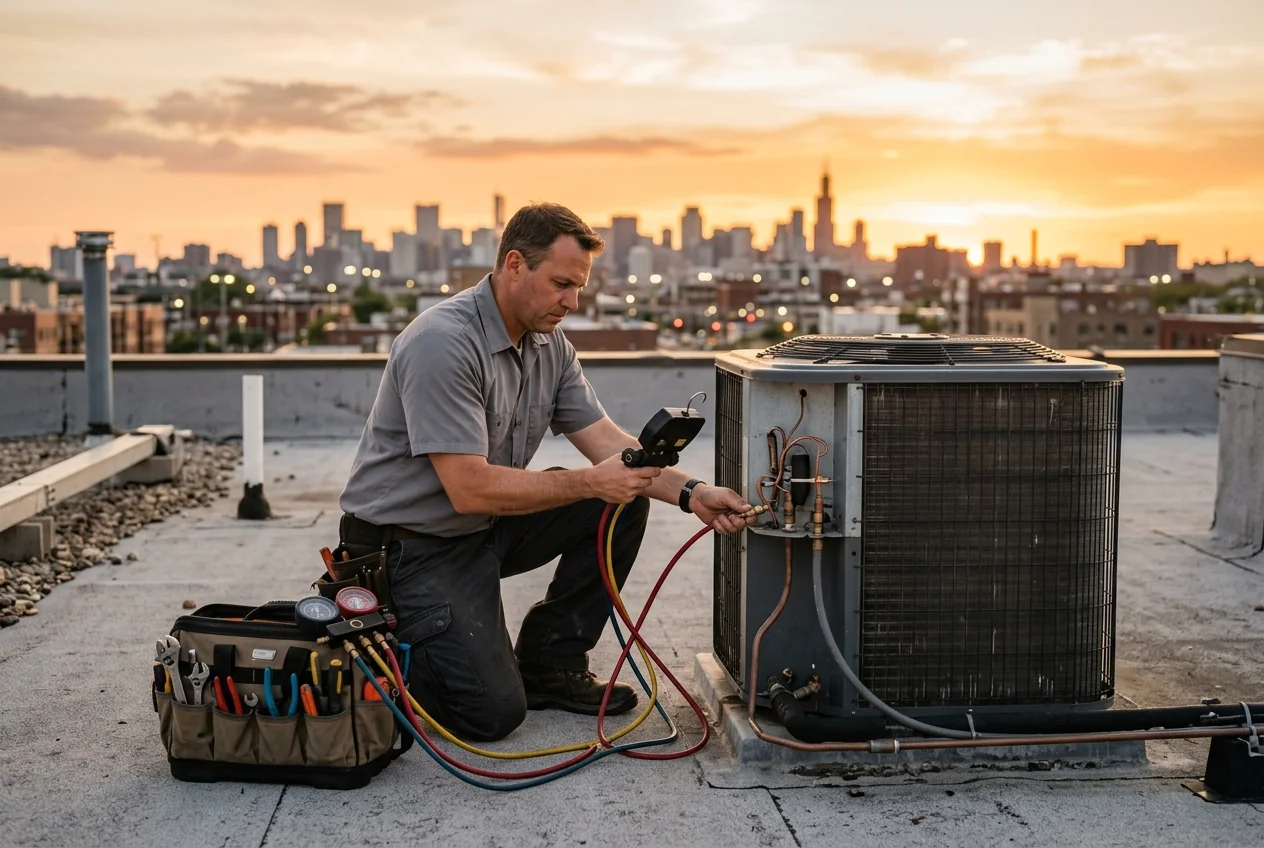
Two Wage and Hour Division opinion letters issued July 22 set out when a field service worker's paid day begins — and when the drive to the first job site becomes hours worked.
Expert guides, career insights, and practical advice to help you succeed in trade education and skilled careers.
Two Wage and Hour Division opinion letters issued July 22 set out when a field service worker's paid day begins — and when the drive to the first job site becomes hours worked.
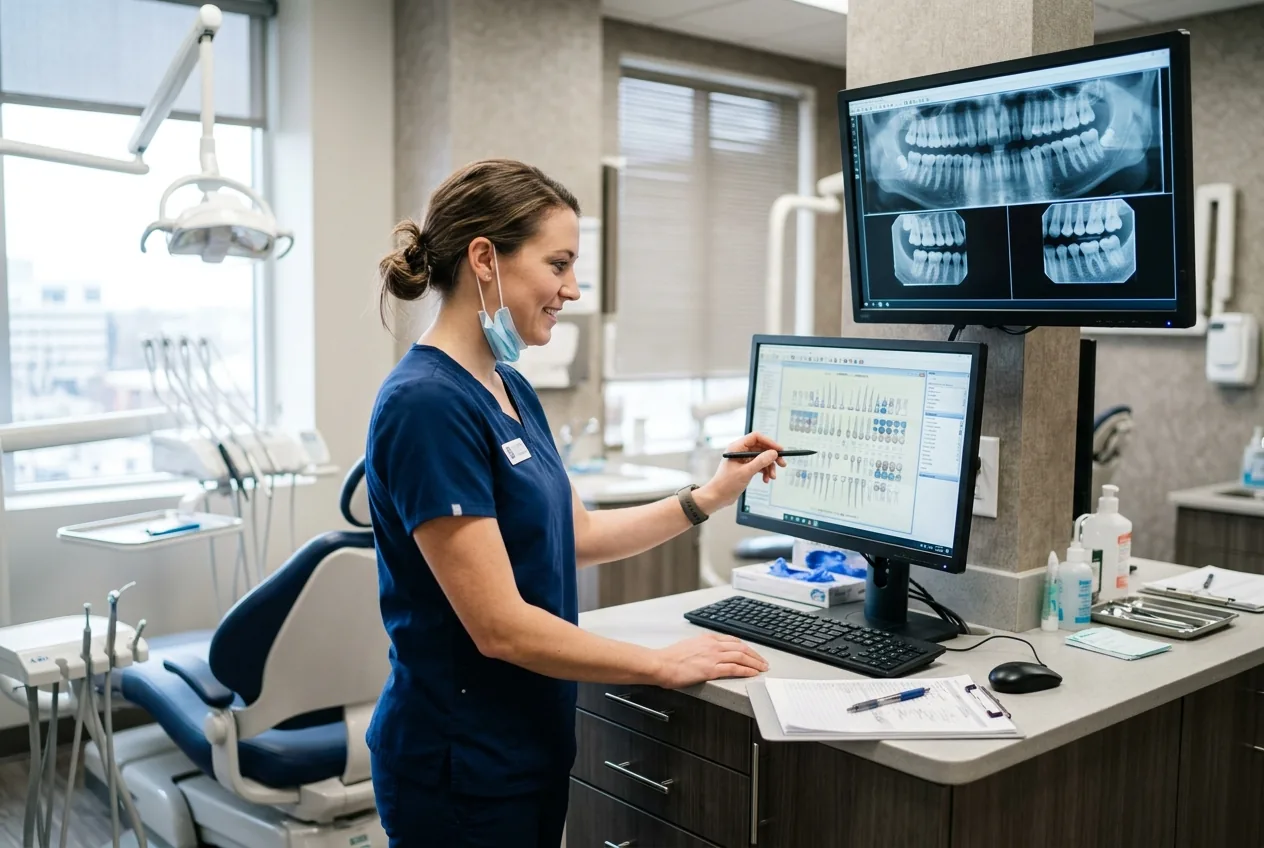
How much dental hygienists make in 2026: the $98,100 median ($47.16/hour), pay by state and work setting, why part-time schedules shape benefits, the job outlook (7% growth, 15,300 openings a year), and how the pay compares with dental assistants, LPNs, and RNs.
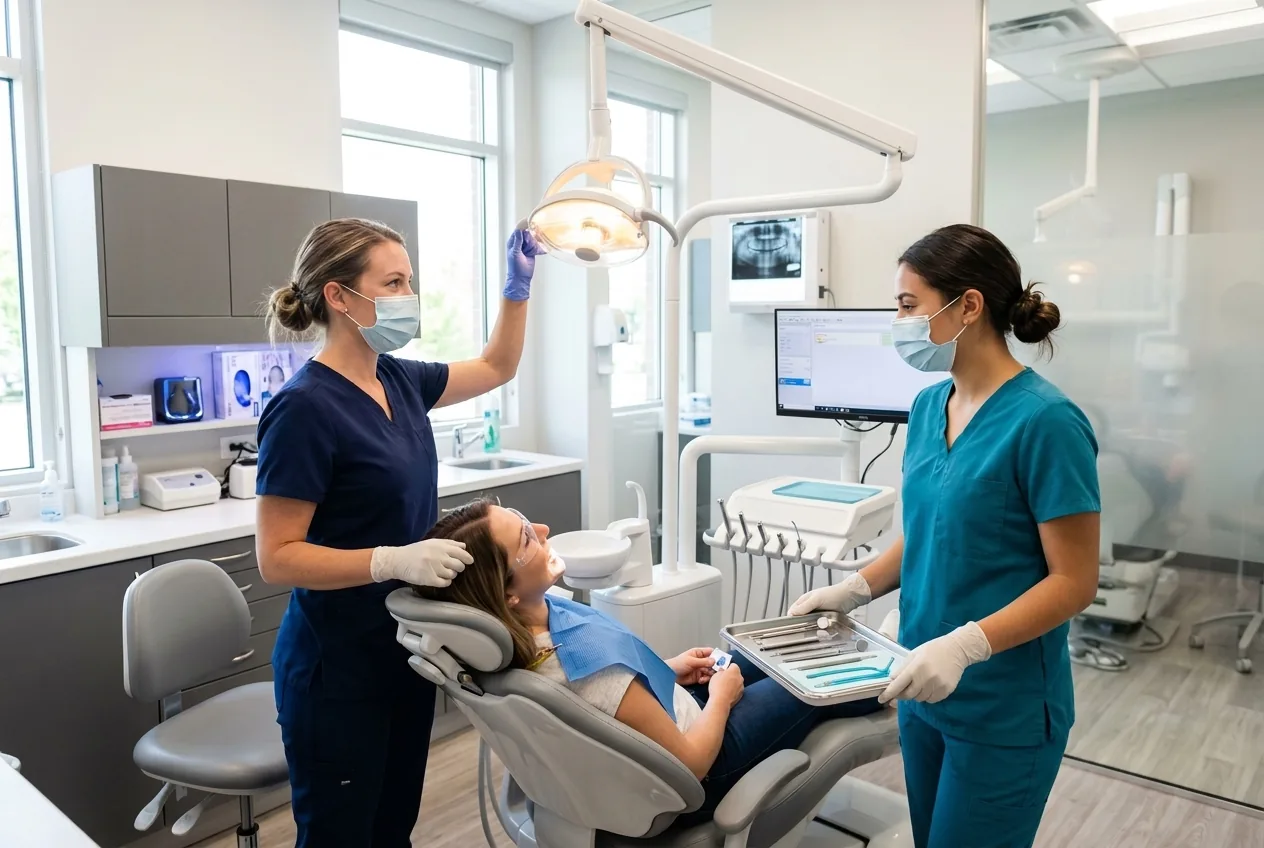
Dental hygienist vs dental assistant, with the numbers: a ~1-year certificate versus a 3-year CODA-accredited degree, optional certification versus mandatory licensure, and $47,300 versus $94,260 median pay — plus why assisting credits rarely transfer into hygiene school.
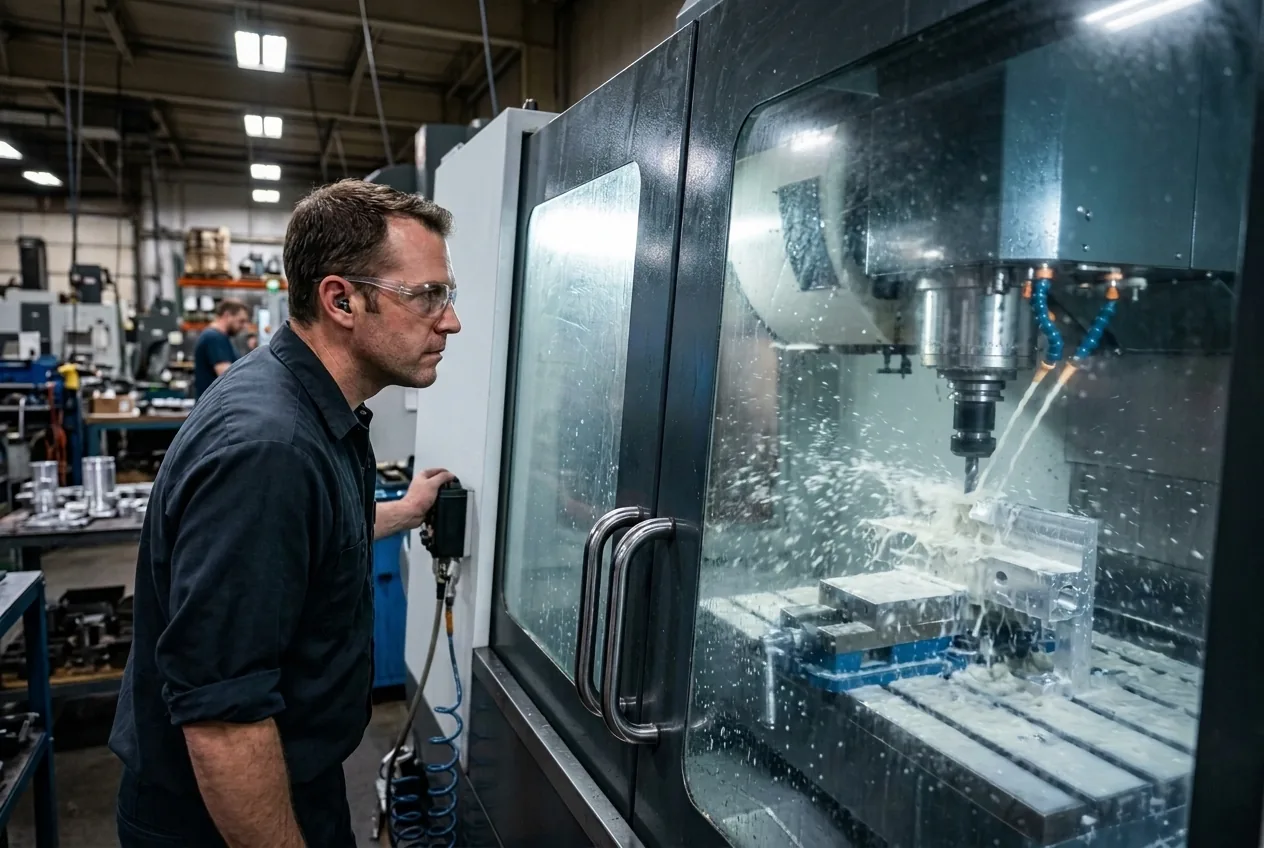
A shop-floor guide to becoming a CNC machinist — the operator vs. setup vs. programmer pay ladder, community college machine tool programs vs. registered apprenticeships, NIMS Machining Level I and II credentials, print reading and GD&T, and what the first-year paycheck really looks like.
A step-by-step path from zero experience to licensed RDH — prerequisites, choosing a CODA-accredited associate program, clinical training, the NBDHE, your regional clinical exam, state licensure, and how to keep climbing once you're in the operatory.
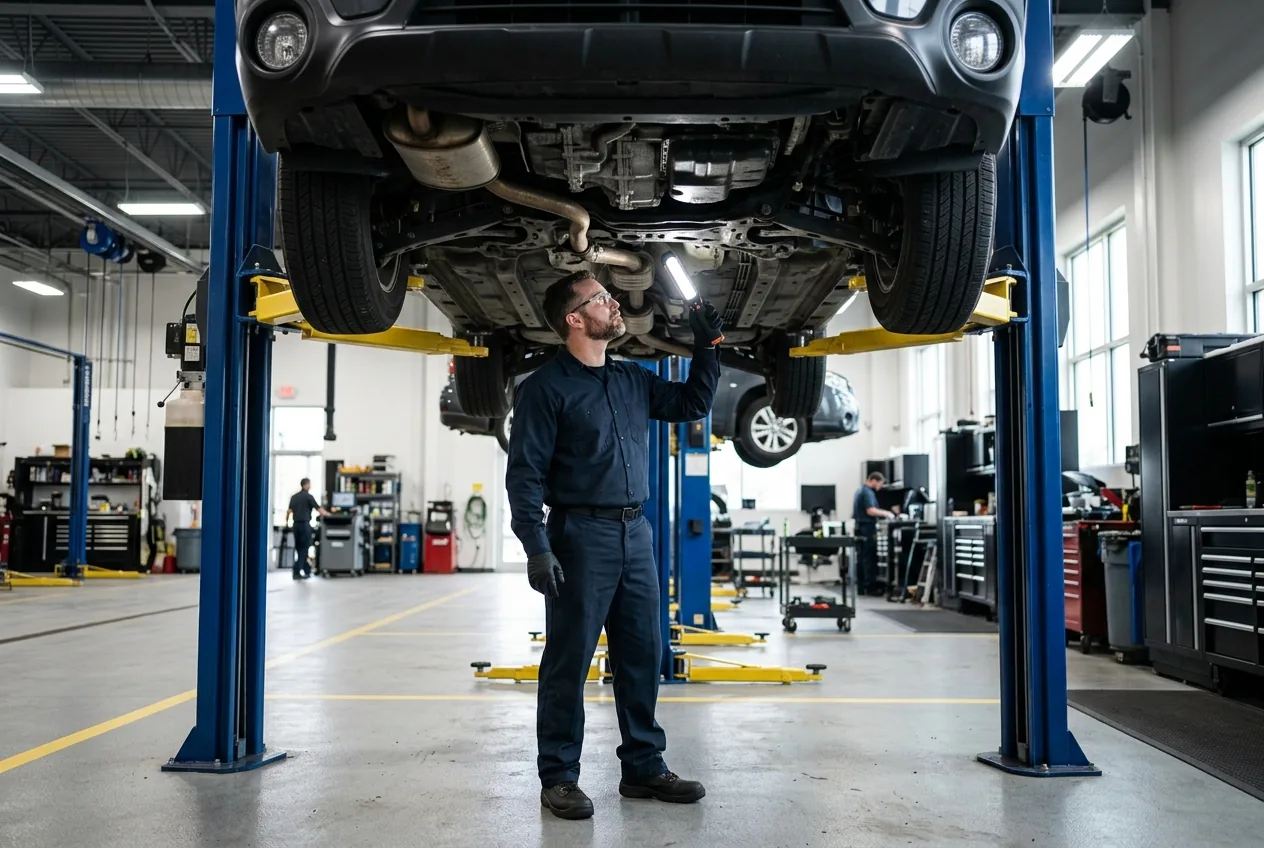
A step-by-step guide to becoming an auto mechanic — the lube-tech entry ladder, community college vs manufacturer programs like Toyota T-TEN, the full ASE A1–A8 Master Technician path, real tool costs, flat-rate pay explained, and what the EV shift means for the trade.
A data-backed guide for parents re-entering work after years of caregiving — why the trades judge skills over résumé gaps, which trades fit school-hours schedules, honest talk about the childcare barrier, and the apprenticeship programs built to support returning parents.
A practical guide to switching into the skilled trades without quitting your job — comparing evening and weekend trade school, registered apprenticeships where the job is the training, and hybrid programs, with honest weekly-hour budgets and BLS-sourced payoff data.
An honest, BLS-sourced guide to skilled trades where the math stays at tape-measure level — flooring, painting, roofing, cosmetology, CDL driving — plus a frank look at which trades genuinely demand algebra and how training programs teach the math you do need.
A BLS-sourced guide to the skilled trades that hire without a diploma — construction labor, roofing, flooring, painting — plus how Job Corps lets you earn a GED and a trade credential at the same time, and why the GED still raises your ceiling.
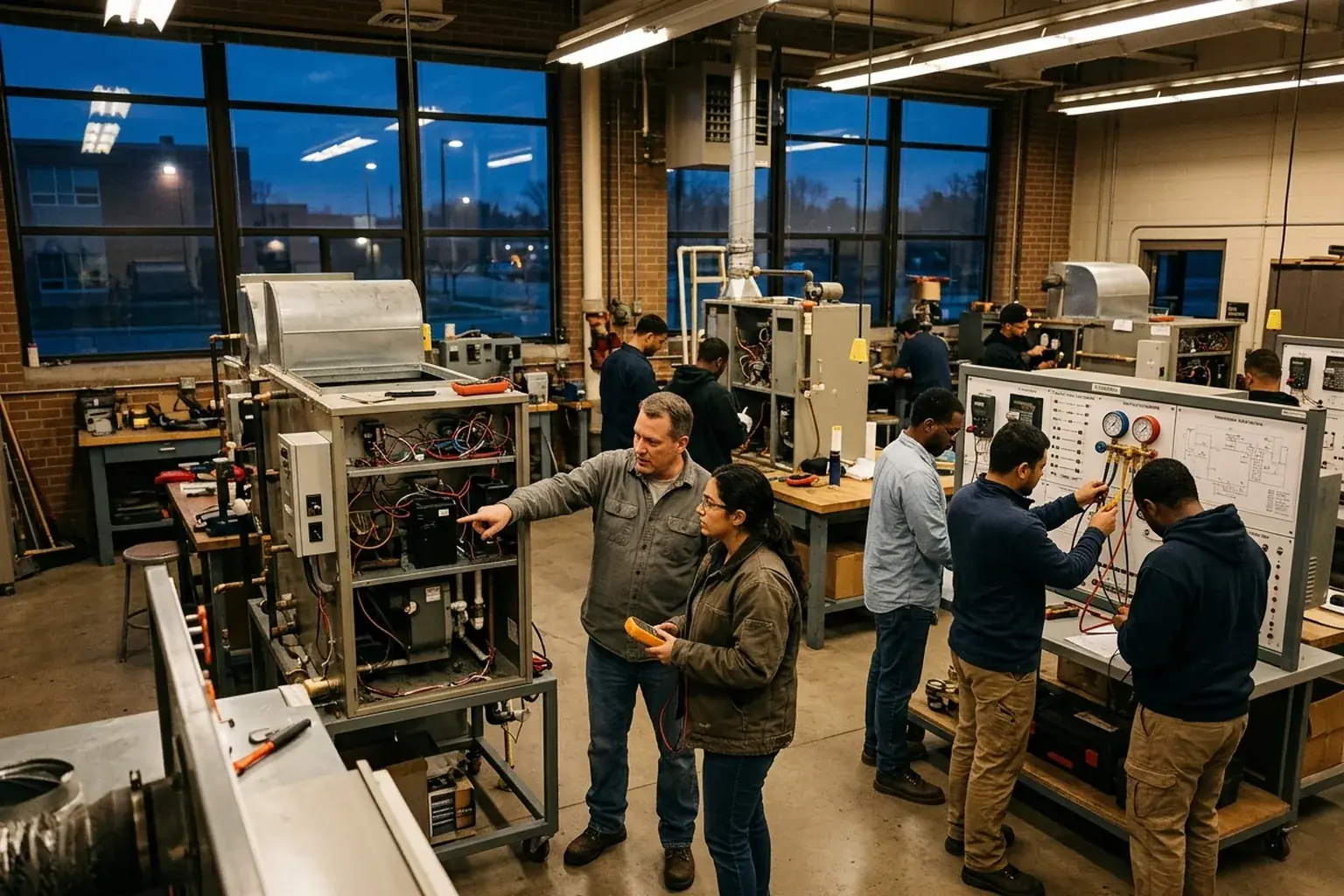
HVAC school brochures print the median salary and the sunlit lab photo. Here's the rest of it: the bill past the tuition line, the EPA 608 license, what first-year pay actually looks like, and the paid apprenticeship route the brochure never compares itself against.
How Post-9/11 GI Bill benefits actually work at trade schools: the tuition cap for non-degree programs, housing allowance rules, why apprenticeships stack wages on top of benefits, what Yellow Ribbon does (and doesn't) cover, and how to read VA caution flags before you enroll.
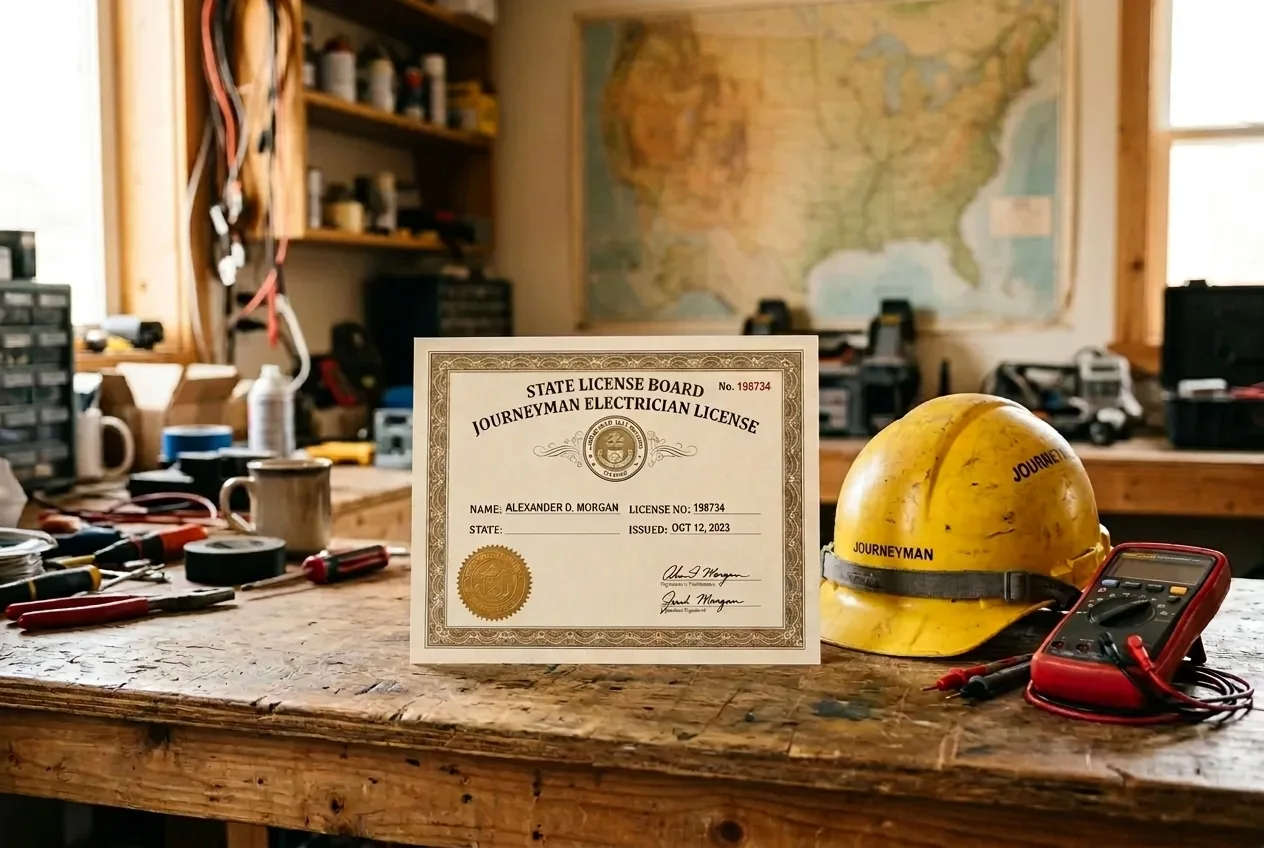
Almost every state licenses electricians through the same ladder — apprentice, journeyman, master — but the hours, exams, and issuing agencies differ in ways that change how long your training takes. Here's every state's electrician licensing picture in one table, plus what to do in the states that license locally instead.
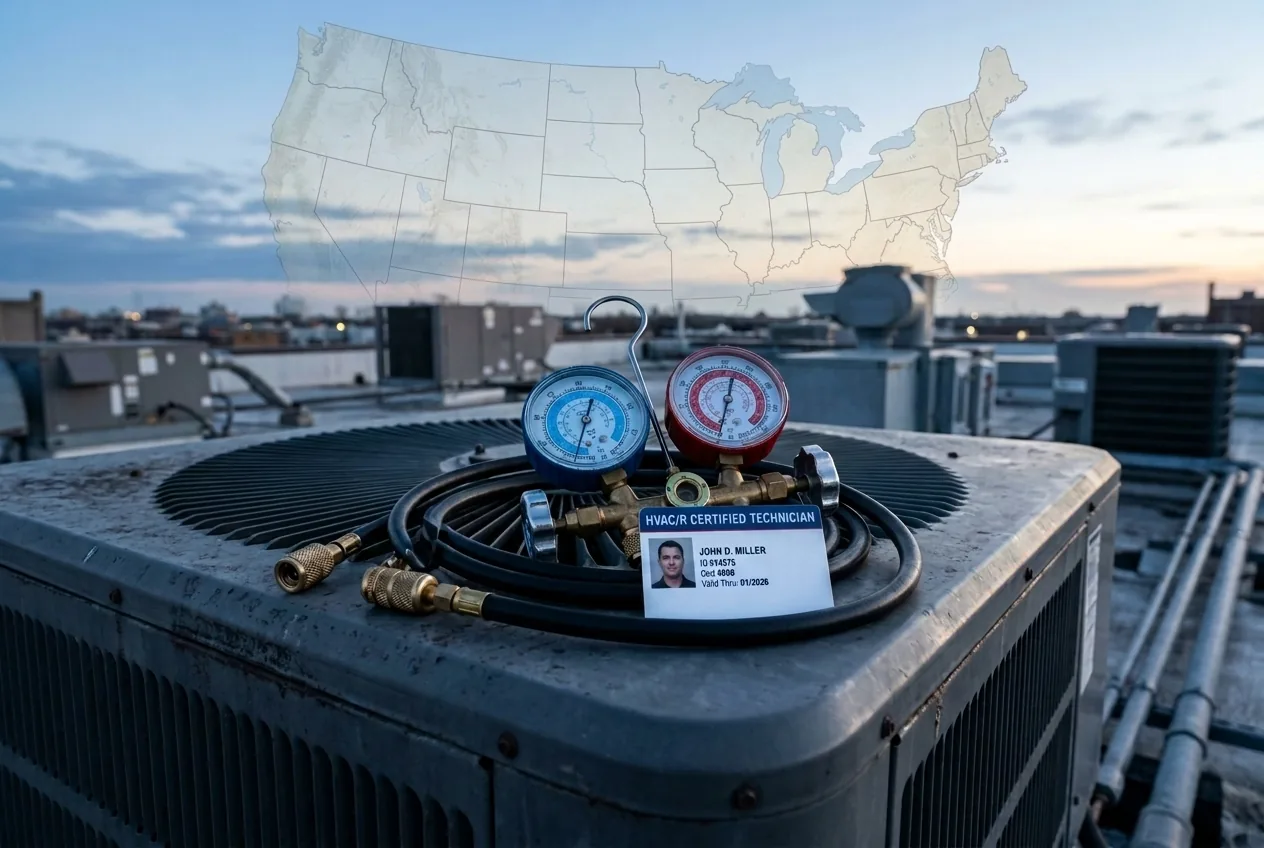
HVAC is the trade where federal and state rules meet: EPA Section 608 certification is mandatory everywhere you touch refrigerant, while state licensing ranges from strict contractor boards to nothing at all. Here's every state's HVAC licensing picture, with pay and job-growth data to match.
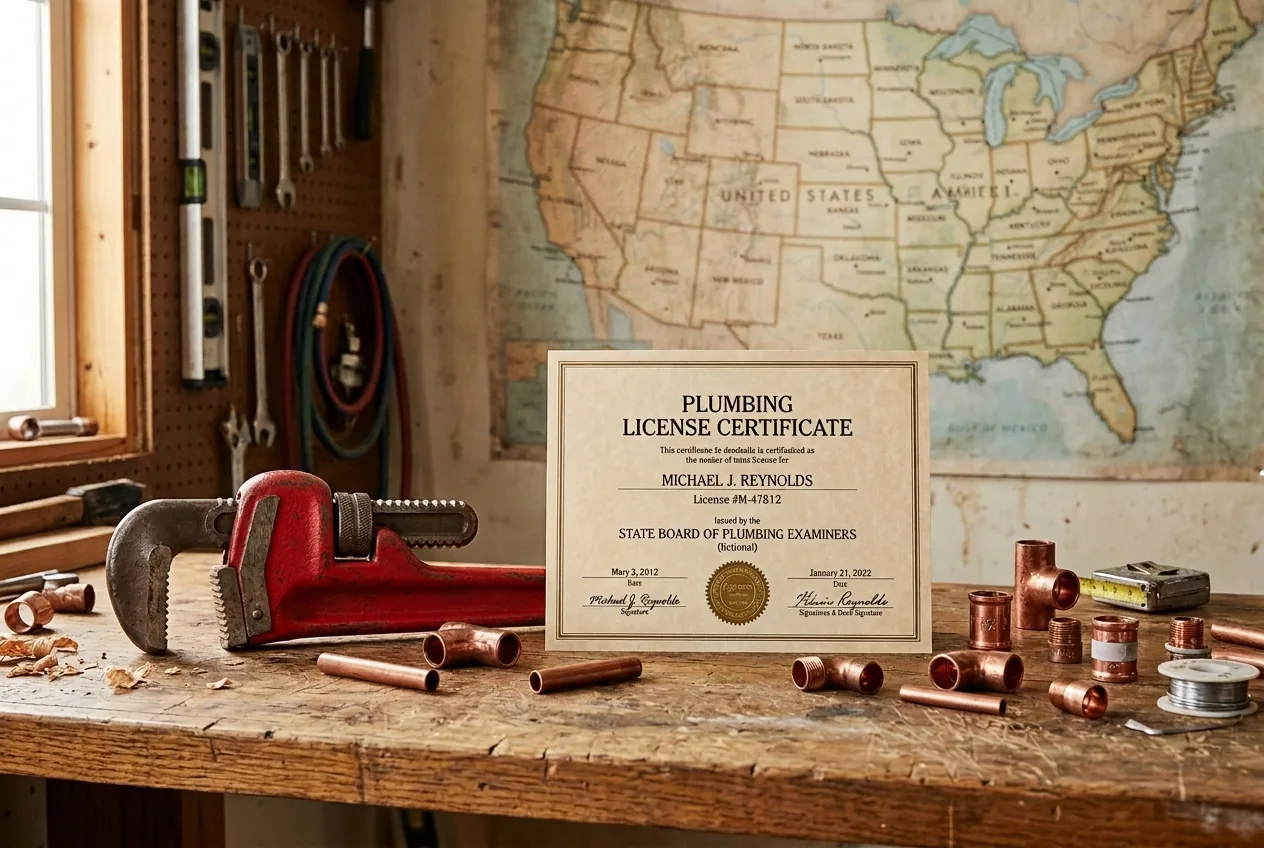
Forty-three states license plumbers statewide, almost all through the apprentice–journeyman–master ladder — but the exams, hours, and issuing boards differ enough to change your training plan. Every state's plumbing licensing picture in one table, with pay and job-growth data.
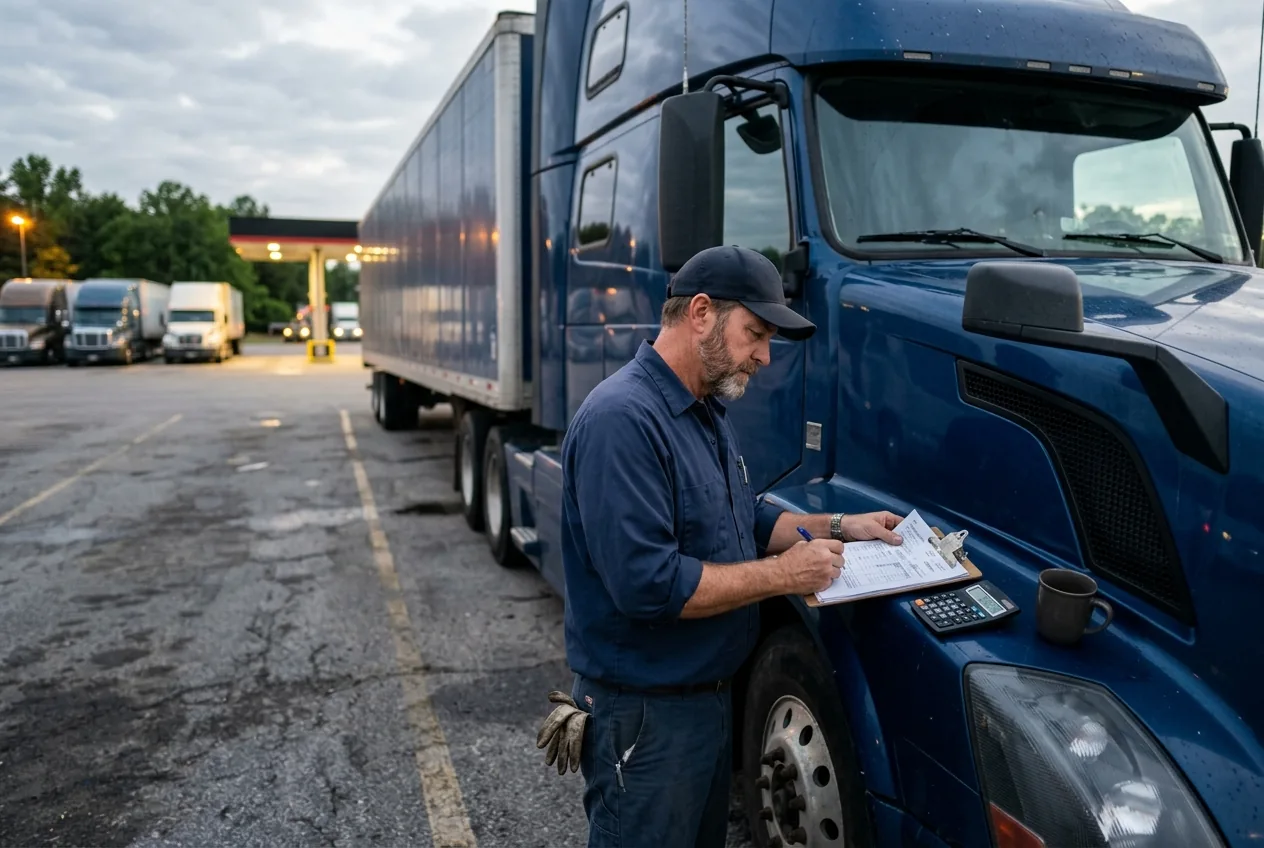
Truck driver pay in 2026: $58,640 BLS median for company drivers, what the top 10% earn, pay by state, and why owner-operators grossing $200K often net less than company drivers.
A step-by-step guide to starting a plumbing business in 2026 — licensing requirements by state, insurance and bonding costs, pricing math, and how to land your first customers. Every number sourced.
How to start a local electrician business in California — the education path, the state's two-layer licensing system (DIR certification + CSLB C-10), the $25,000 bond, real insurance costs, pricing, and finding your first customers.
How to choose a CDL truck driving school in 2026: why your program must be on the FMCSA Training Provider Registry, the real differences between private, community-college, and company-paid training, what to evaluate, and how to pay for it.
How to choose an LPN program in 2026: why state-board approval and NCLEX-PN eligibility come first, what to evaluate (pass rates, clinicals, LPN-to-RN bridges), program length and cost, and a $62,340 median salary.