
Trade Programs
How to Become an LPN (LVN): Cost, Timeline, Salary & Career Path
A step-by-step guide to becoming a Licensed Practical or Vocational Nurse: ~12-month programs, the NCLEX-PN, a $62,340 median salary, and how LPNs ladder up to RN.
88 articles available · Page 2 of 5
A step-by-step guide to becoming a Licensed Practical or Vocational Nurse: ~12-month programs, the NCLEX-PN, a $62,340 median salary, and how LPNs ladder up to RN.
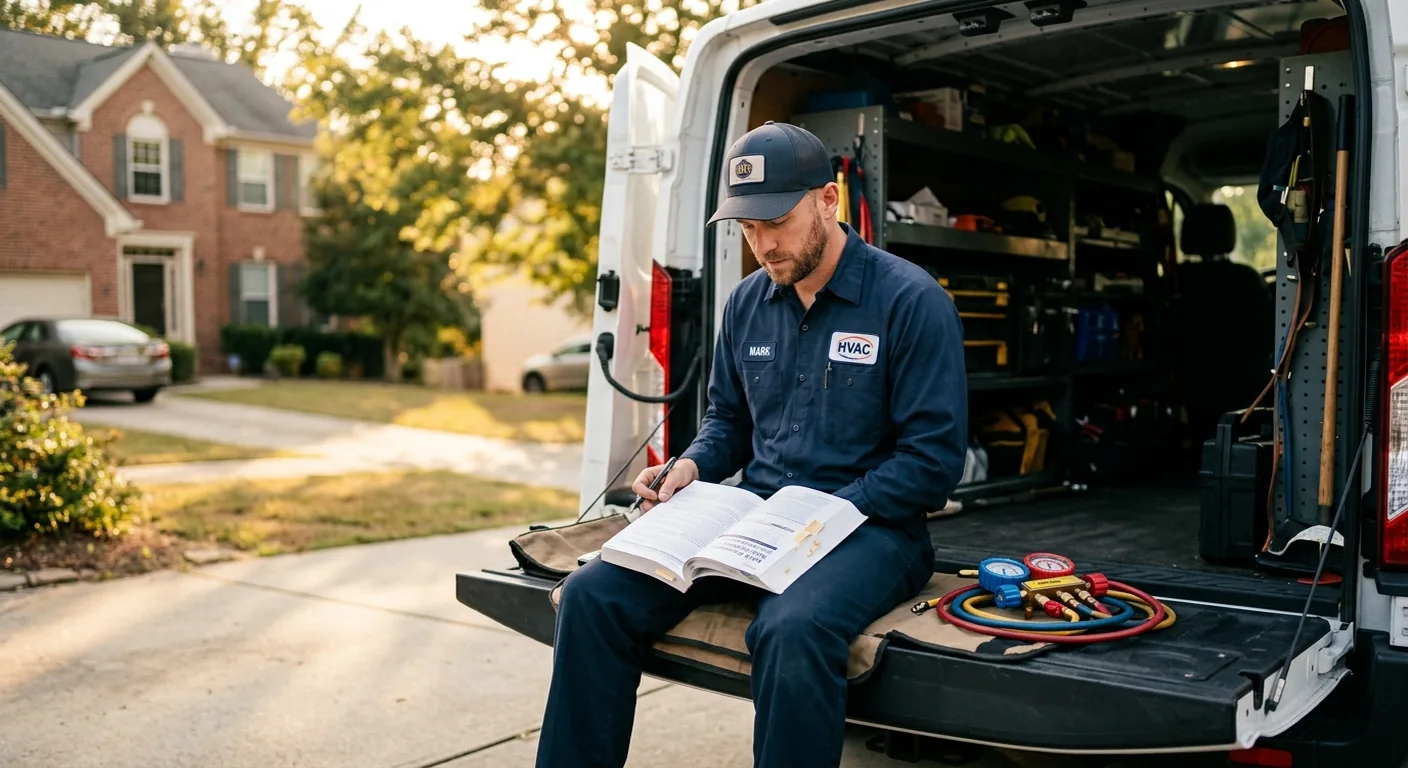
A working tech's guide to NATE certification: Traditional vs CHP-5 pathway, the full specialty exam menu, real fees, the manufacturer rules that quietly require it (Carrier's 50% Factory Authorized Dealer rule), and the honest math on when the credential earns back its cost.

The viral 'underwater welders die at 15%' headline and the '$300K salary' headline are both wrong. What AWS, BLS, NIOSH, and OSHA actually report about pay, training cost, fatality rates, and the wet-vs-dry hyperbaric career split — for welders evaluating the highest-paid, highest-risk niche in the trade.

A practical income comparison for new cosmetologists choosing between commission salon employment and booth rental — the real numbers on splits, rent, self-employment tax, the IRS classification rules that decide whether you're an employee or a contractor, and the book-size threshold where booth rental starts to win.
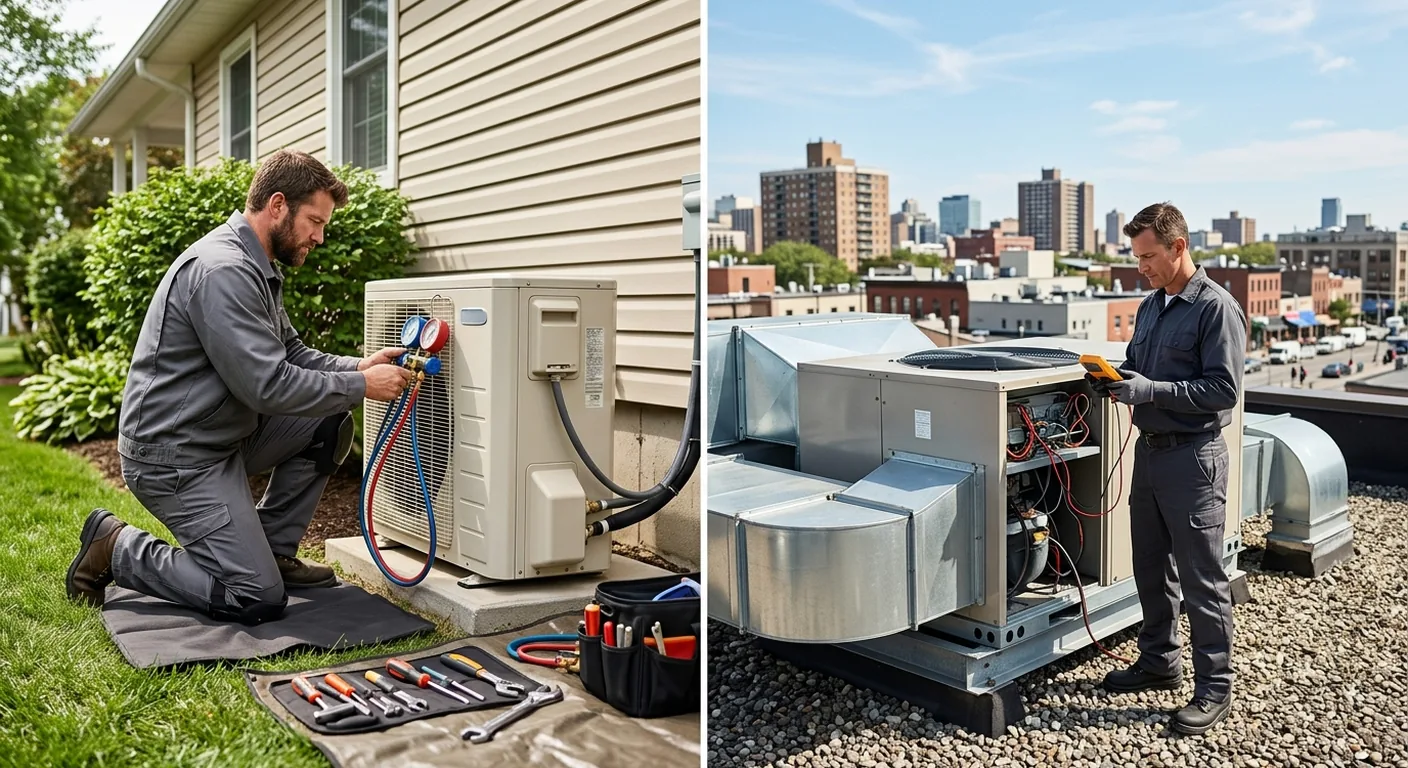
A side-by-side career comparison of commercial and residential HVAC for technicians choosing where to specialize. The pay differential, the on-call and overtime profile, the BAS controls premium, the burnout data behind the industry's 110,000-tech shortage, and the realistic career ladders on each side.
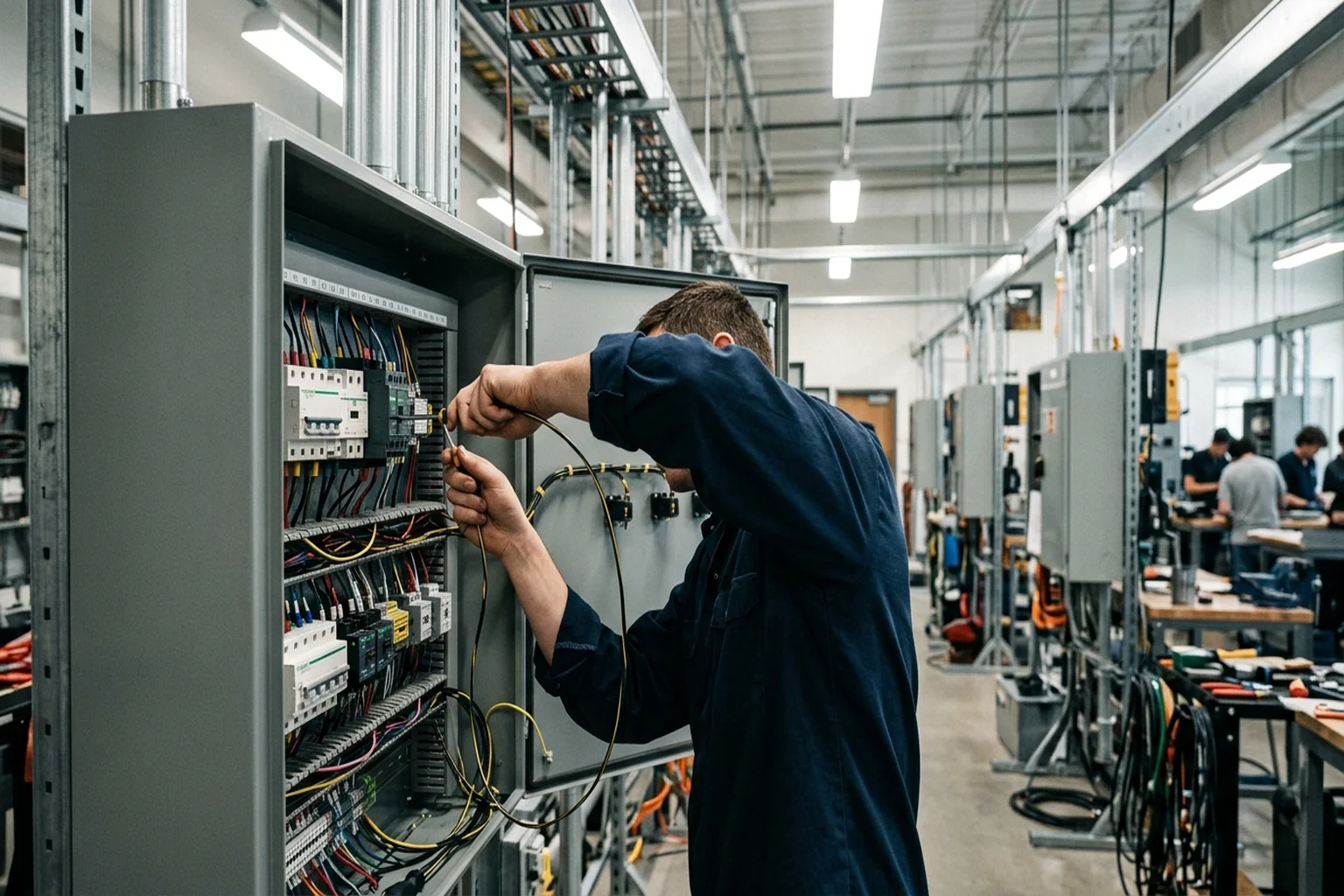
Trade school, IBEW/NECA union apprenticeship, or non-union ABC/IEC route — the three real paths to electrician licensure compared on cost, timeline, pay progression, and long-term earnings.

How pipeline welders actually earn $100K+: the Local 798 wage scale decoded, the 6G test and API 1104 standard, the rig-welder pay structure, and the honest tradeoffs of a life on the road.

How to evaluate cosmetology schools the way a working stylist would — accreditation, NACCAS outcome rates, licensure pass rates, total cost of attendance, and the five red flags that separate a good program from a debt trap.

A practical comparison of the three core beauty licenses — scope of practice, training hours, BLS pay data, career ceilings, and which crossover paths exist if you change your mind later.

Moving your cosmetology license to another state? See which states accept your hours, which make you retrain, and how the new 2026 Licensure Compact changes it.
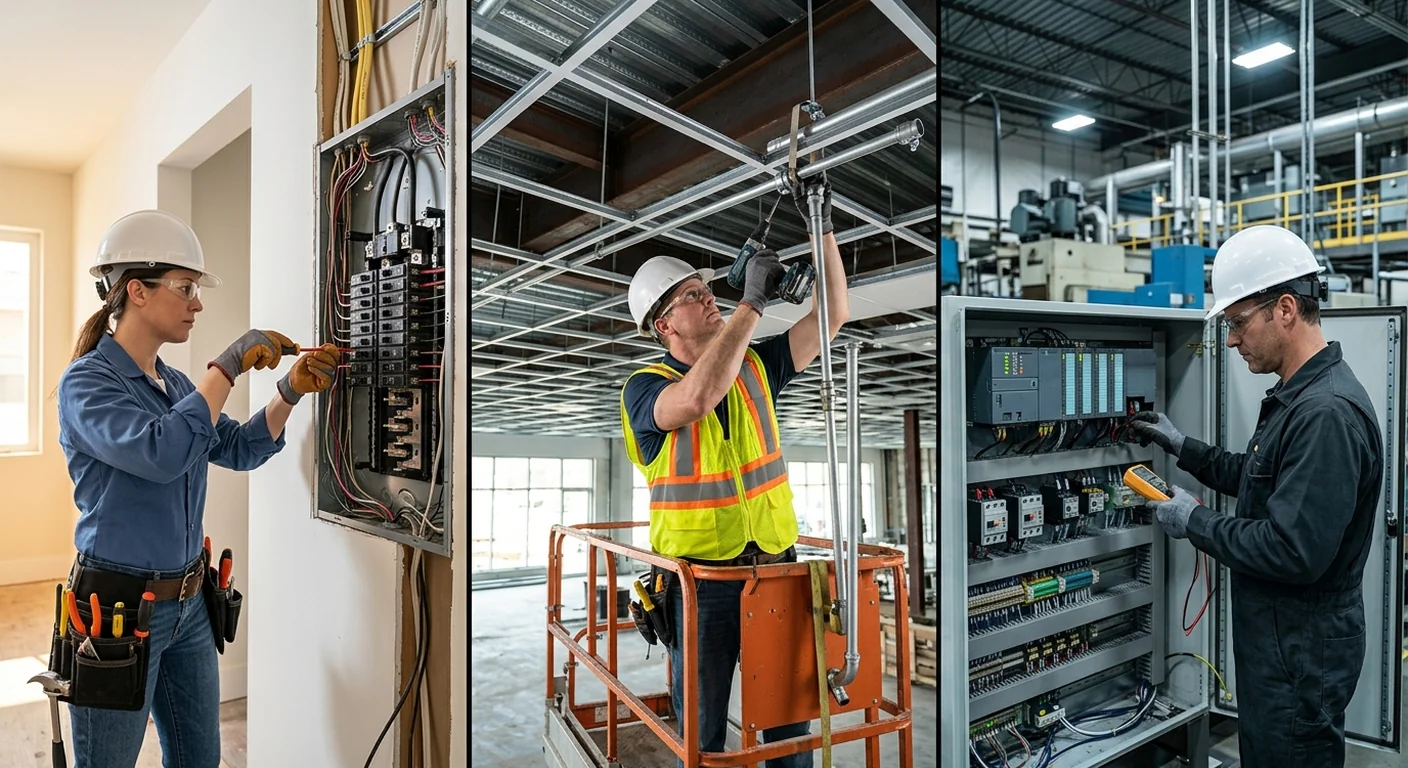
A practical comparison of the three electrician tracks — residential, commercial, and industrial — with BLS pay data, daily-work realities, lifestyle trade-offs, and where each path tops out at the master/foreman/owner level.

A regional guide to AWS-aligned welding programs across the U.S. — covering what AWS SENSE and Accredited Test Facility status actually mean, BLS welder pay data, the AWS Welding Workforce Data shortage projection, and the top welding programs by region (Gulf Coast pipeline/petrochem, Midwest manufacturing, Pacific shipbuilding, Mountain West, Northeast, Southwest) drawn from IPEDS completion and trade-scale data.
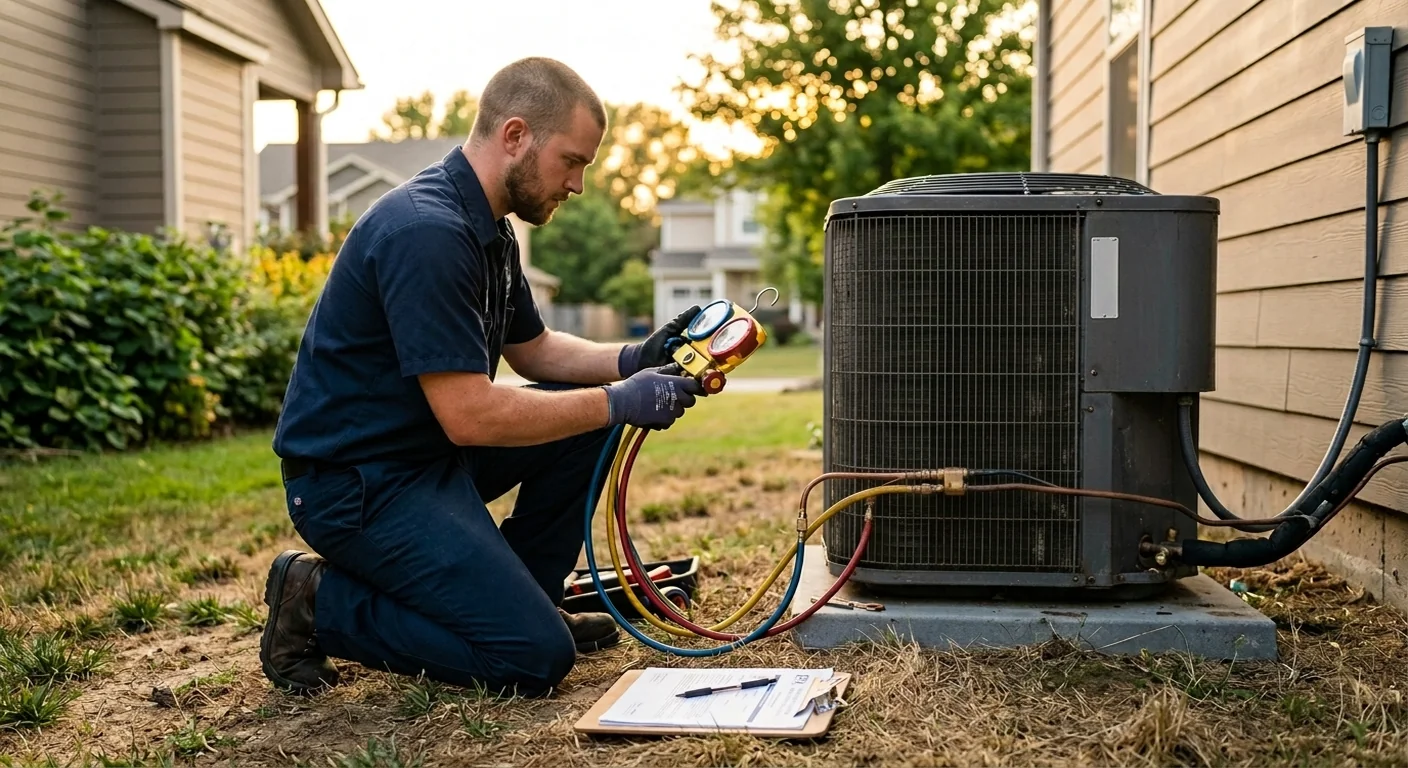
A practical guide to EPA Section 608 — the federally-mandated refrigerant handling certification — covering Type I, II, III, and Universal in plain language: what each Type lets you legally work on, the 18-of-25 pass mark, why open-book Type I can't count toward Universal, where to test (including from home), what it costs, and why it does not expire.
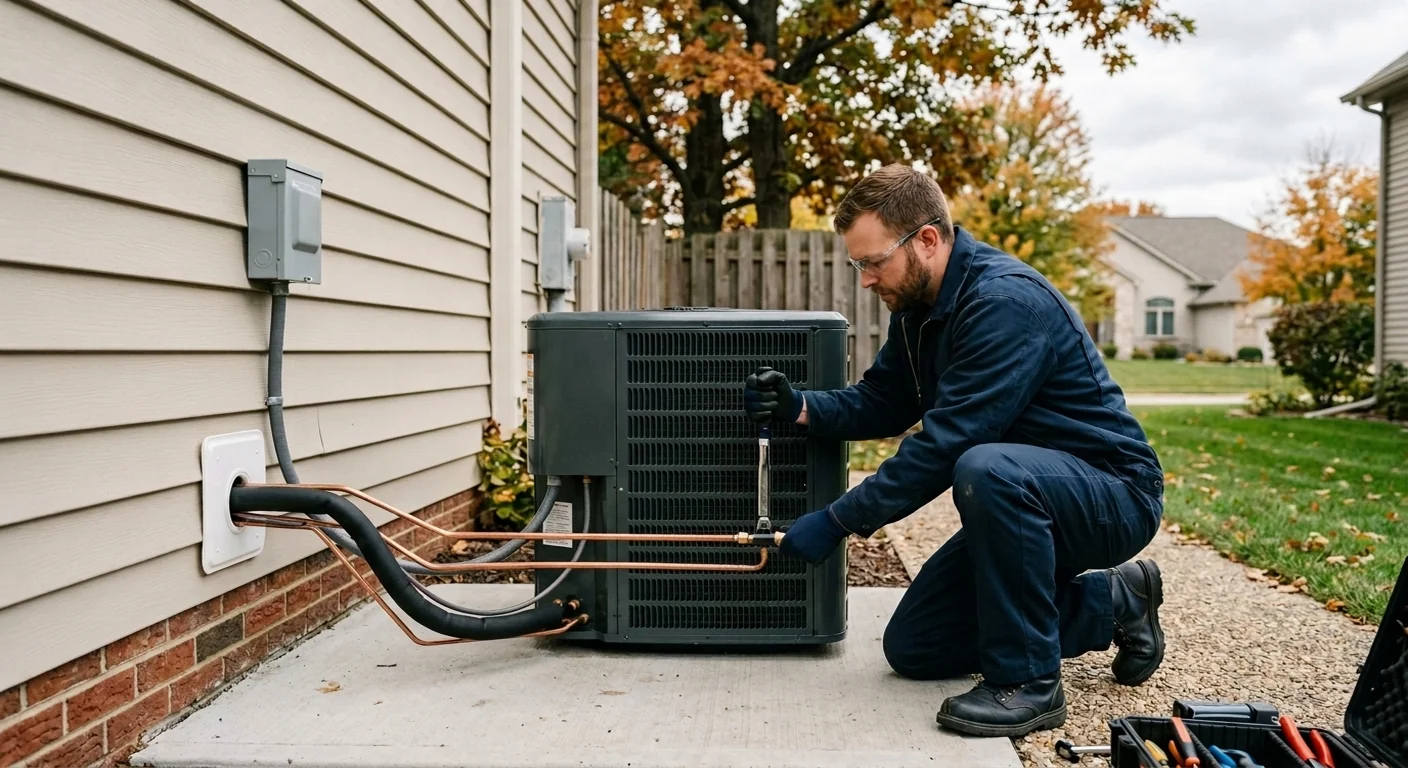
Heat pumps are the fastest-growing HVAC equipment category and federal/state incentives have changed which technicians get hired. A practical guide to the IRA's HEAR rebate program, the 25C tax credit (now expired), AHRI shipment trends, the DOE Energy Skilled training designation, NATE Heat Pump specialty pay, and how new HVAC techs should position themselves for heat pump work.
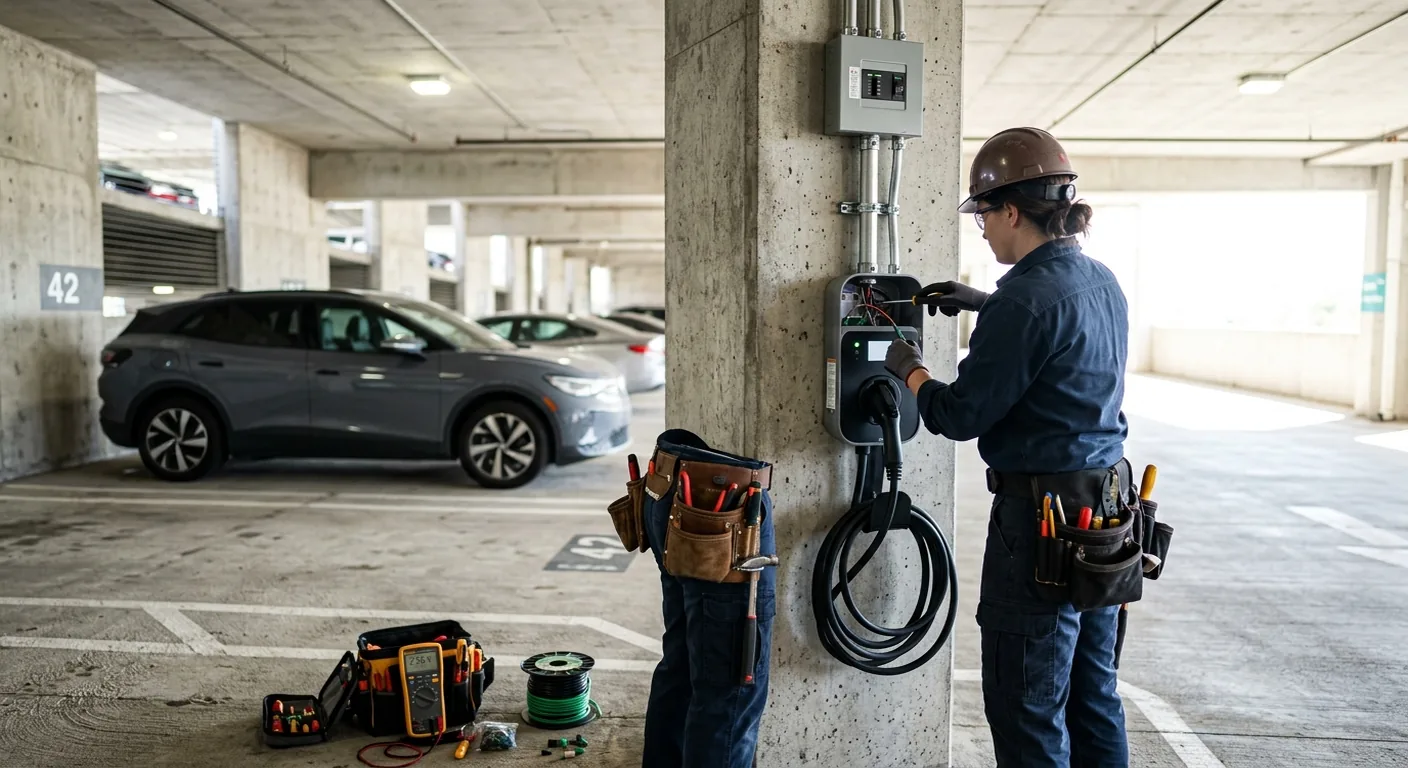
A practical guide to EVITP — the Electric Vehicle Infrastructure Training Program — for working electricians and apprentices: what the certification is, who can sit for it, what it costs, why federal NEVI funding has made it a near-requirement on charger projects, and the realistic pay delta over a generalist electrician.
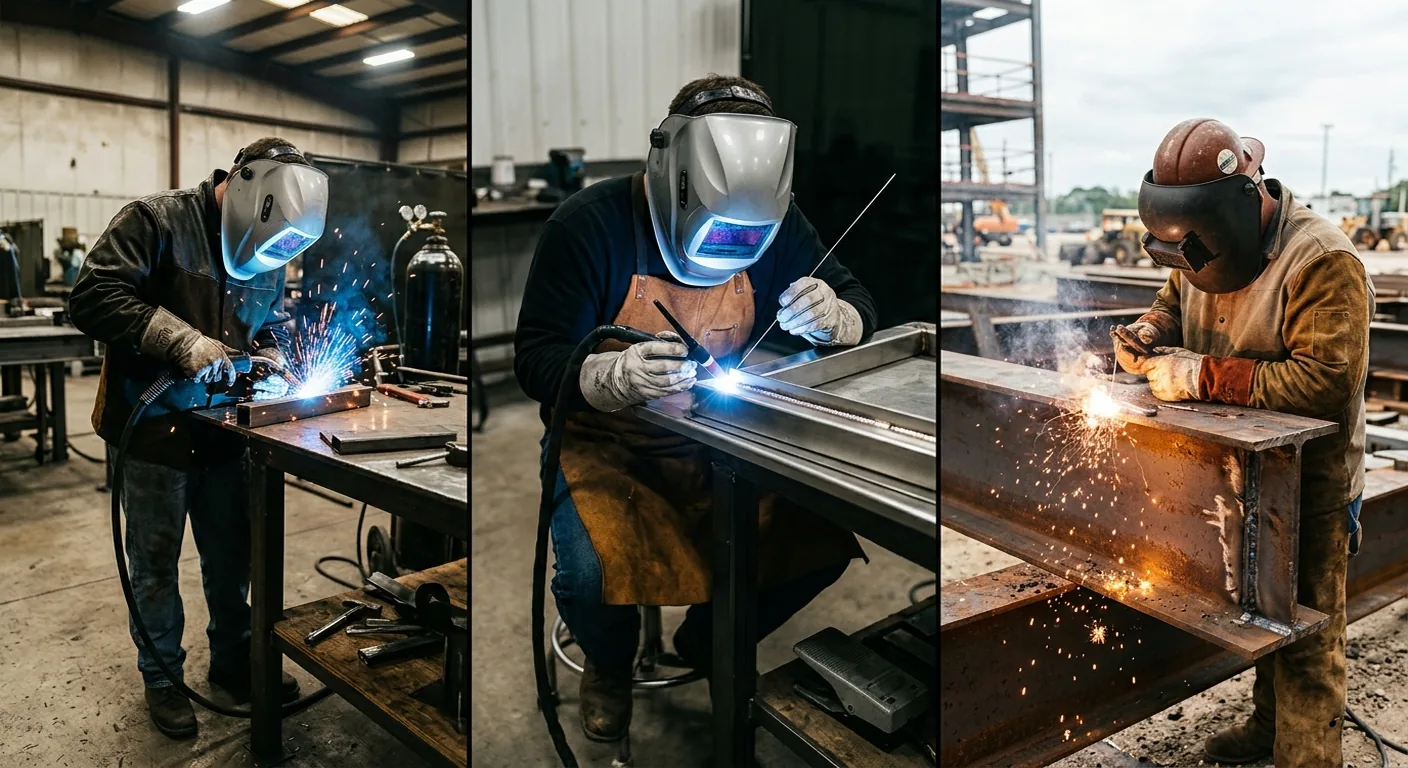
A practical comparison of the three core arc-welding processes — MIG (GMAW), TIG (GTAW), and Stick (SMAW) — covering difficulty, industry use, equipment cost, BLS pay implications, and what welding programs actually teach first so you can match the process you learn first to the job you actually want.

A side-by-side comparison of two of the most popular allied-health entry points — medical billing and coding versus medical assisting — covering training time, certification cost, BLS salary data, work environment, and the very different career ceilings that follow each path.

A practical guide to the remote medical billing and coding job market — which employers actually hire from home, the experience floor most demand, the real pay gap between remote and onsite work, and three realistic paths in for new coders without two years of in-office time.
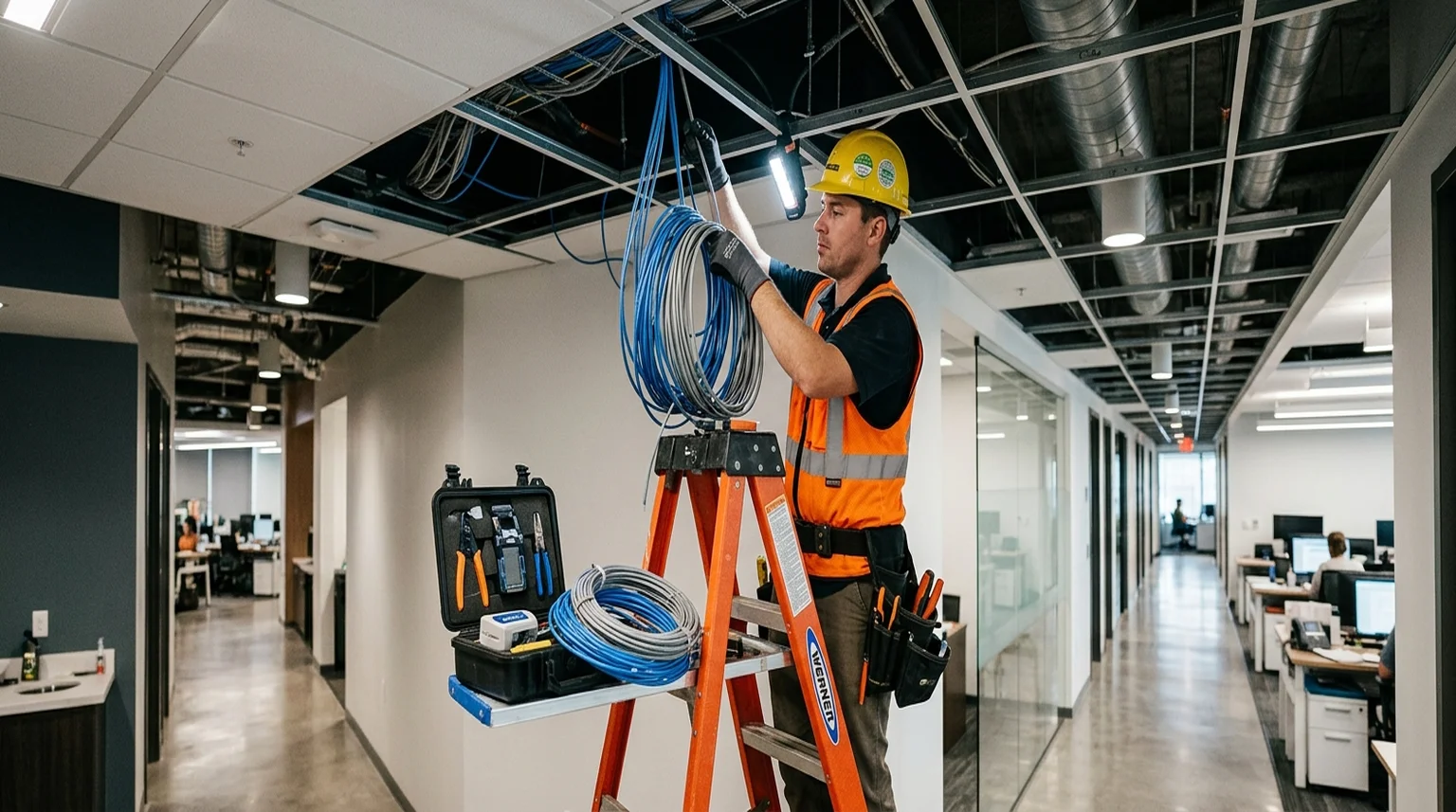
Low voltage technicians install the systems that run smart buildings, hospitals, data centers, and homes — security cameras, fiber networks, fire alarms, and more. Here's what the work actually involves, what it pays, and the real path to getting in.
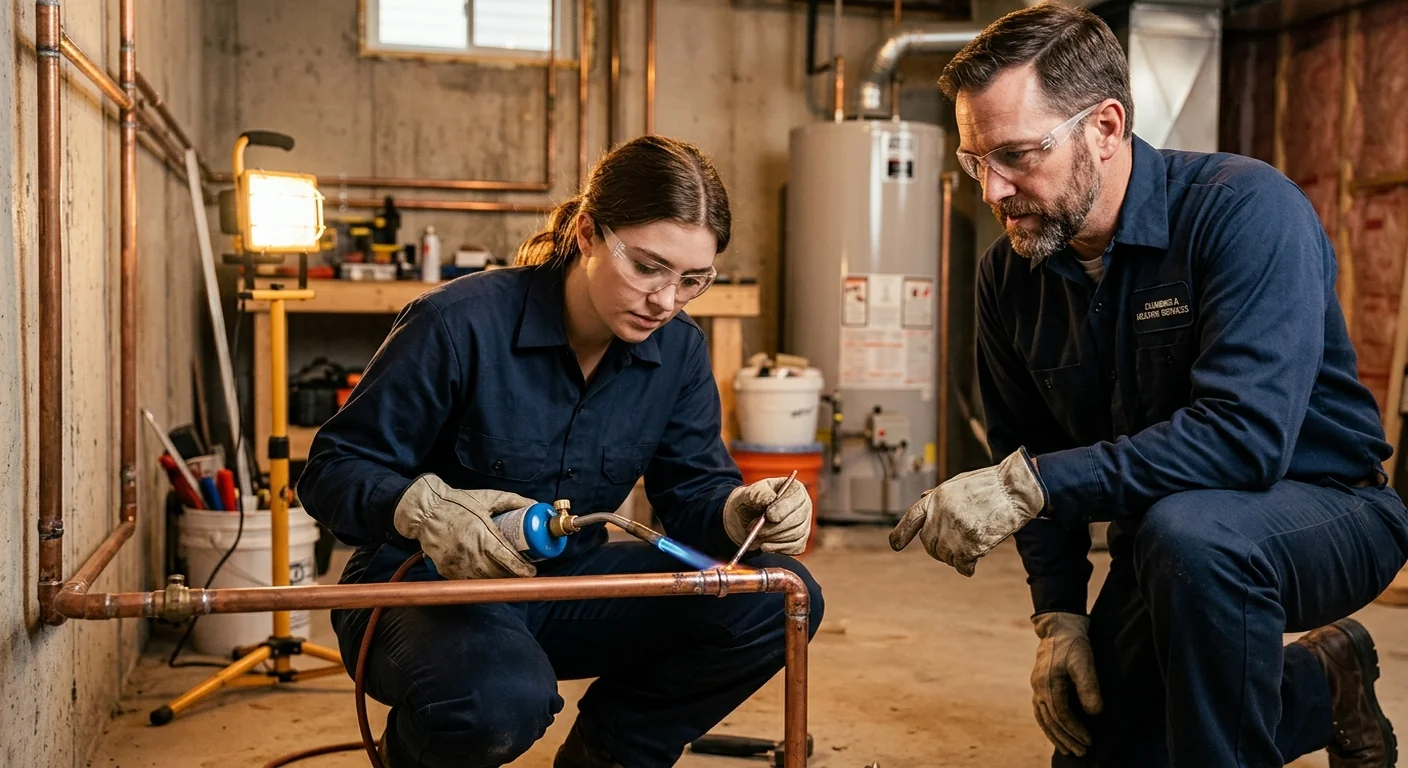
A step-by-step guide to becoming a licensed plumber — how the 4–5 year apprenticeship works, how to choose between UA union and PHCC/ABC non-union paths, what it takes to earn journeyman and master licenses, and what you earn at each stage.